Genealogy compilation methods, documentary resources, and family culture. We continuously search publicly available materials, preserve sources, and organize them article by article.
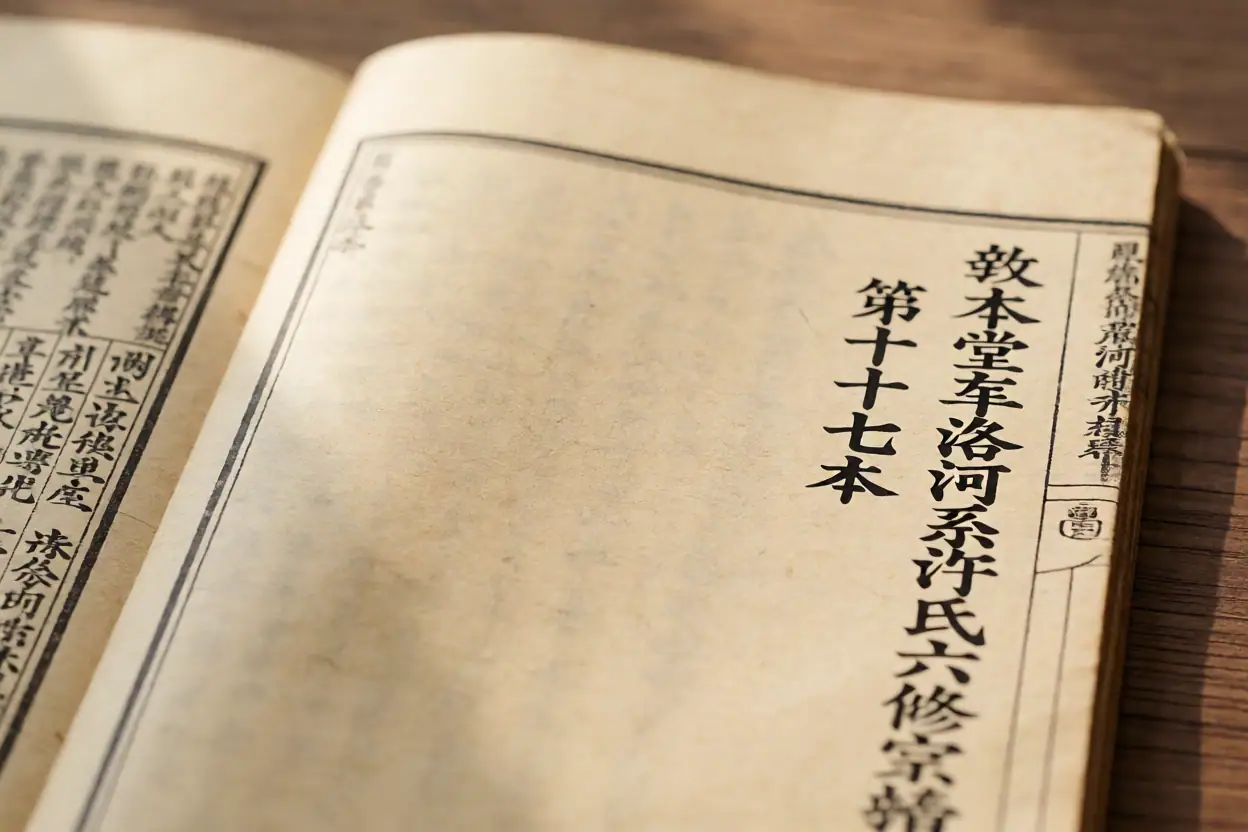
Bibliographic Record and Examination of Volume 17 of the Sixth Revision of the Xu Clan Genealogy of the Cheluo River Lineage
2026-09-22 · Source Analysis
Existing bibliographic information indicates that a work entitled “The Zh bentang Sixth Revision of the Xu Clan Genealogy of the Che Luohe Lineage” has an image-based catalog record for Book 17 and lists the scale of its volumes and lineage. Since the date of compilation, compilers, regional affiliation, and complete catalog have not yet been verified, the relevant family relationships still require further examination against the genealogy prefaces, local gazetteers, and the physical pages of the volumes.
From Dongxing to Wumen: The Migration and Imperial Examination Memories of a Branch of the Miao Clan
2026-09-22 · Source Analysis
Existing accounts connect the migration, branch formation, and imperial examination tradition of a Miao clan branch in Jiangnan, with the Wumen Miao clan’s “Ten Jinshi on the Rolls Across Generations” serving as an important family memory. The relevant ancestral origins, genealogical lineages, and biographies still require item-by-item verification against clan genealogies, local gazetteers, and imperial examination records.
An Examination of Luan Family Memories and Clan Lineages
2026-09-22 · Source Analysis
Existing materials, ranging from figures of the Spring and Autumn period and modern-era local notables to contemporary art practitioners, present the multifaceted activities of people surnamed Luan. These biographical accounts may serve as leads for further investigation, but ancestral origins, branch affiliations, and migration relationships must still be verified item by item against genealogies, local gazetteers, and family memories.
Genealogical Lines and Clues to Migration to Southern Zhejiang in the Sanxi Ke Clan Genealogy
2026-09-22 · Source Analysis
The Sanxi Ke Genealogy comprises 2 volumes. The surviving bibliographic information concerns a revision during the Qing Guangxu period, the lineage of the Sanxi branch, and accounts of migration between Yongjia and Huangyan. Because some genealogy pages are damaged, the relevant founding ancestor, generational sequence, and migration dates still require careful verification against images of the original genealogy, local gazetteers, and other branch genealogies.
An Examination of the Genealogies of Notable Qiu Figures and Historical Memory
2026-09-22 · Source Analysis
Qiu figures appear in the history of Daoism, traditions of divination and related arts, local writings, and contemporary academic records. Organizing these names requires attention both to their contributions and to the distinctions among legends, local accounts, and genealogical lineages that can be corroborated with one another, avoiding the hasty assumption that people sharing a surname belong to the same clan.
Genealogical Clues and Paths of Inquiry Found in the Wen Ancestral Hall Genealogy of Huangxi, Ningdu
2026-09-22 · Source Analysis
Existing materials indicate that the Ningdu Huangxi Wen Shrine once had a genealogy in its sixth revision. The relevant record corresponds to Book 1, with the page marked as 178. Based on the information currently visible, this article organizes the basic clues and, drawing on surname materials, genealogy compilation, and research into local gazetteers, explains that the study of Wen clan branches still requires further verification.
A Cautious Organization of Qing Clan Genealogical Clues and Migration Memories
2026-09-22 · Source Analysis
Records related to the Qing surname cover population overviews, genealogy-revision activities in Ziyang, Sichuan, and migration narratives concerning Dong'an, Hunan, but some claims still require cross-verification against genealogies, local gazetteers, and archives. When organizing the material, care should also be taken not to conflate Qing-surname records with records of the Jian surname.
Su Wenting and the Gui Opera Stage: The Family Memories of an Artist from Ziyuan County
2026-09-22 · Source Analysis
Su Wenting, also known as Su Shenghuai, is reportedly from Resources County, Guangxi, and was a performer involved in modern-era Gui opera performance and apprentice training. Existing accounts preserve details of his studies, stage career, and teaching activities in his later years, but the origin of his name, details of his associations, and the specific years of his performances still require further verification against local gazetteers, opera-history sources, and family documents.
An Organization of Local Jing Clan Activities and Genealogical Memories
2026-09-22 · Source Analysis
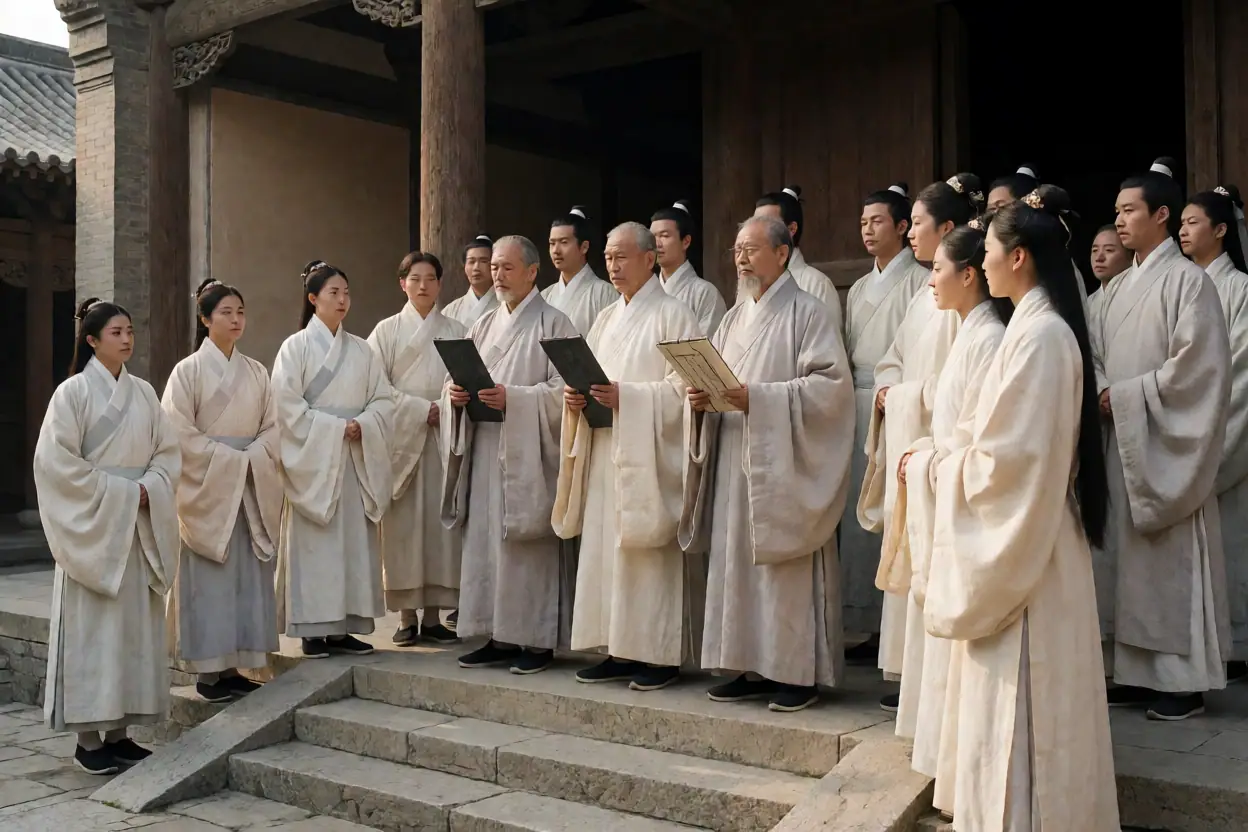
Records on the Jing surname indicate that activities such as genealogy continuation and distribution, ancestral hall reconstruction, ancestral tomb restoration, and public-interest discussions were once carried out in Lu’an, Anhui, and in Guilin, Quanzhou, and other places in Guangxi. These records illustrate how local Jing branches preserved genealogical records and family memories, but the origins and lineage relationships among Jing families in different places still need to be verified separately against genealogies, inscriptions, and local gazetteers.
An Examination of Jiaodong Chu Clan Settlements, Ancestral Halls, and Migration Memories
2026-09-22 · Source Analysis
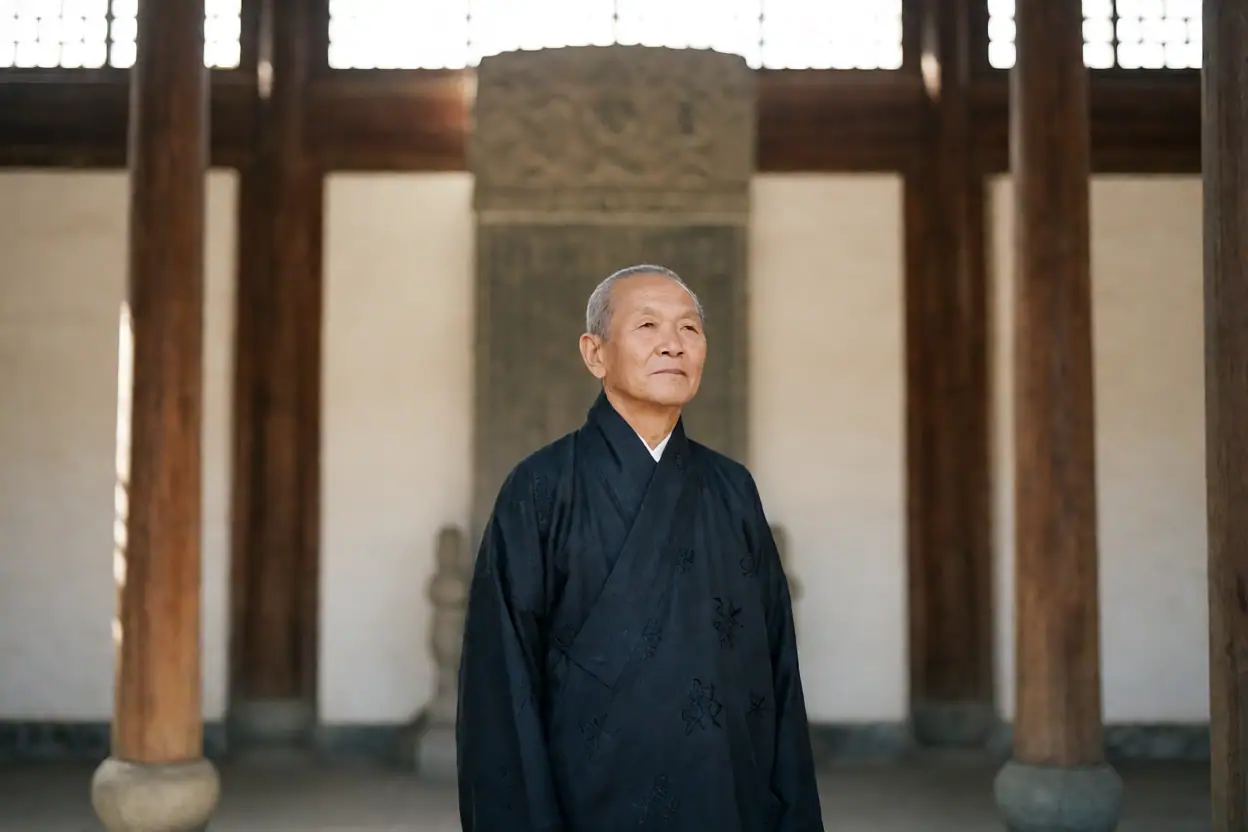
The Chu surname has left settlement, genealogy, and ancestral-hall records in many parts of Jiaodong. Yongfuyuan Village in Fushan and Chujia Village in Laizhou are among the more closely studied locations. Existing genealogies also preserve accounts of an ancestral home on Zhifu Island and migrations across the Bohai Sea. However, whether different branches share a common origin still requires case-by-case verification against genealogy prefaces, local gazetteers, inscriptions, and household-registration documents.