Compilation of Local Jing Clan Activities and Genealogical Memory
Records on the Jing surname indicate that activities such as genealogy continuation and distribution, ancestral hall reconstruction, ancestral tomb restoration, and public-interest discussions were once carried out in Lu’an, Anhui, and in Guilin, Quanzhou, and other places in Guangxi. These records illustrate how local Jing branches preserved genealogical records and family memories, but the origins and lineage relationships among Jing families in different places still need to be verified separately against genealogies, inscriptions, and local gazetteers.
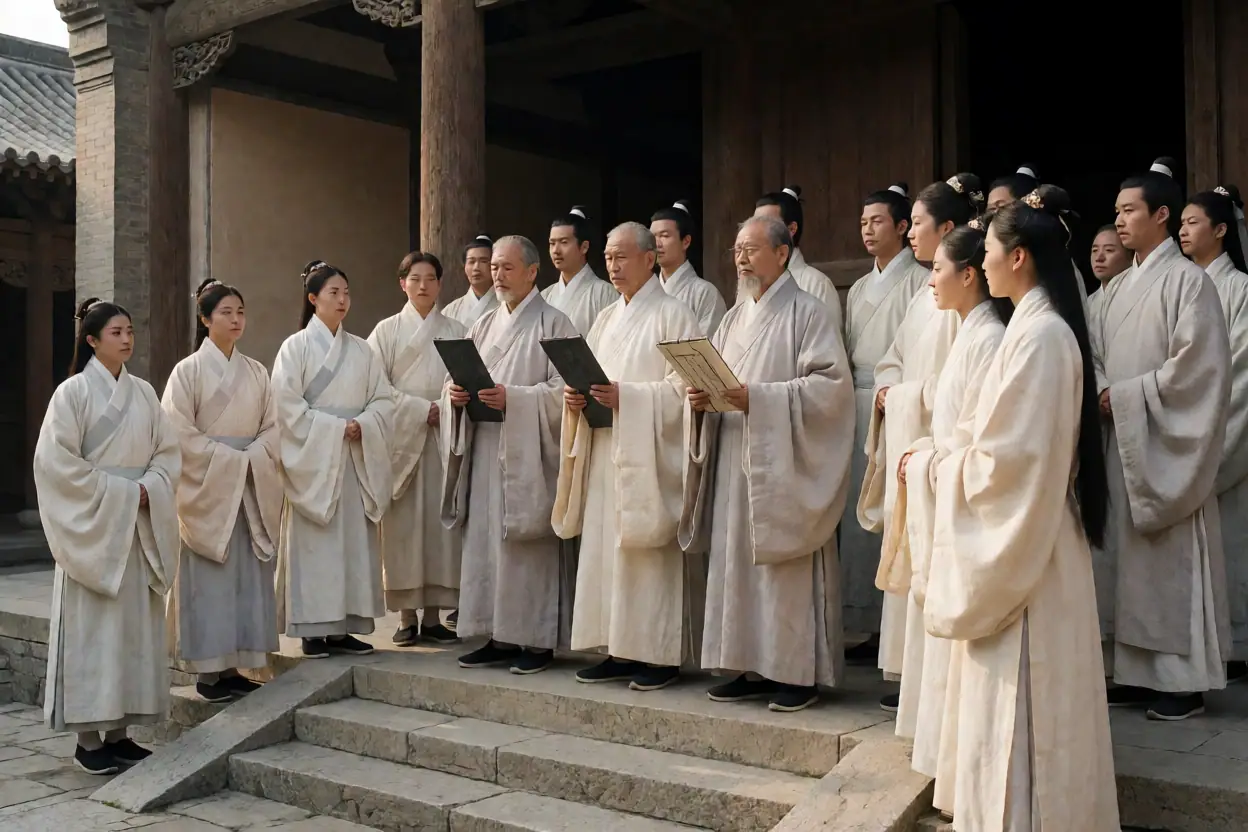
Although the population distribution of people surnamed Jing is not particularly concentrated, existing surname records show traces of the surname in Liaoning, Jilin, Heilongjiang, Hebei, Shandong, and other places, while local genealogies and family narratives also mention areas such as Anhui and Guangxi. Accounts of the origins of the Jing surname have long differed, involving place names, official titles, and local branches; a shared surname alone cannot establish that different groups share a common ancestor or lineage. ZongMai surname materials list “Tianshui Hall” as an associated hall name of the Jing surname and record commandery affiliations including Tianshui, Longxi, and Henan. How these designations were adopted by different branches should still be determined by the old genealogy of the relevant branch, ancestral hall inscriptions, tombstones, and continuous generational lineages.
An activity record concerning the Jing clan of Taohongji in Lu’an, Anhui, states that in December 2017, local people held an ancestor-worship ceremony during the Cold Clothes Festival, along with an event to distribute the renewed genealogy, and that representatives of each branch and clan members gathered at the ancestral hall. The record reflects how the local Jing clan maintained family ties through ancestral hall rituals, participation by different branches, and the distribution of genealogy books. As for which earlier genealogies the so-called “eighth continuation” specifically followed, the dates of previous genealogy revisions, and the number of participants, these matters still need to be confirmed by consulting genealogy prefaces, genealogy distribution registers, meeting books, and physical editions.
Several records concerning the Jing clan in Guangxi focus on ancestral halls, ancestral tombs, and village construction. In August 2017, people in the Lingchuan area of Guilin discussed restoring the tomb of Jiaji Gong. The topics included construction plans, the handling of old steles, stone preservation, road construction, and on-site surveying, as well as the establishment of funds for helping those in hardship, supporting the elderly, and assisting students. The meeting content can serve as a lead concerning family public affairs, but the identity of Jiaji Gong, his position within the lineage, and the date of the tomb should not be inferred further without reference to local genealogical records and inscriptions.
That same year, an account of the reconstruction of the “old main hall” in Jingjia Village, Xianghua, Daxijiang, describes the new building as a Jing ancestral hall and states that it was funded by the villagers and built according to the traditional form of an ancestral hall. The narrative also mentions that local forebears may have migrated from Jing Village by the Yixiang River, but the time of migration, the name of the first migrant ancestor, and the process of branch division remain incomplete. Records of improved transportation around Miaotou in Quanzhou also show the connections in everyday life between Jing-populated villages and neighboring villages; however, the areas benefiting from the roads cannot directly serve as proof of branch distribution or blood relationships.
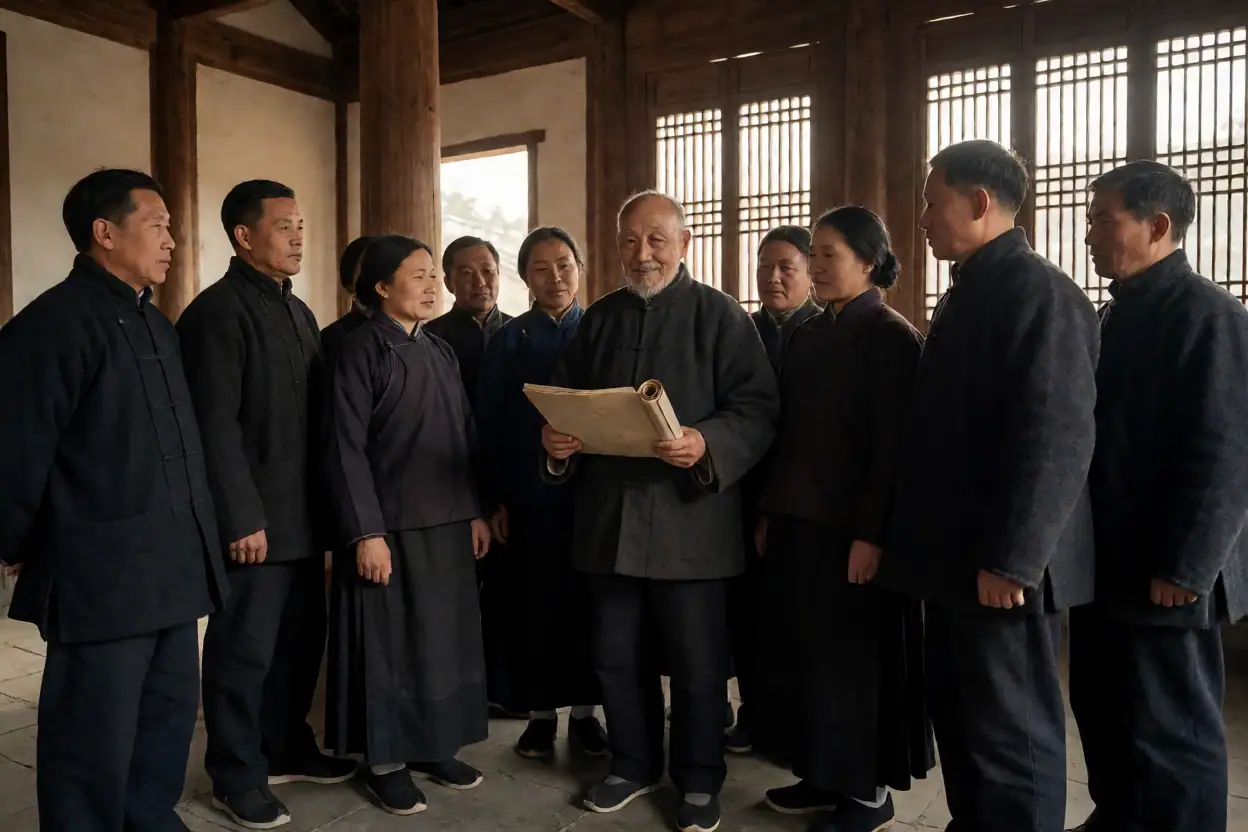
A separate account of family memory from Gugaotun Village in Yongfu traces one local branch to the descendants of Zongchang Gong, flourishing through the line of Chaoqing Gong, and lists population figures. Such specific information about ancestral names and lineages should first be cross-checked against images of the original genealogy, generation names, marriage and funeral records, and local household-registration materials. The publication date of the account and the cutoff date for its population statistics also appear to be inconsistent in sequence, so particular caution is needed when citing it.
In compiling the history of the Jing surname, a surname database can be used to create indexes of regions, hall names, generation names, and individuals; images of old genealogies can be entered into an online family tree; and family memoirs concerning migration, ancestral hall restoration, ancestor worship, and daily life can be collected. When tracing one’s roots, it is advisable to begin with known ancestors and their original villages and work backward, then use local gazetteer databases to verify old place names, administrative changes, ancestral halls and tombs, and biographical records. Only by cross-checking genealogical records, inscriptions, oral accounts, household-registration records, and local documents can the migration routes and lineage relationships of the various Jing branches gradually be clarified.