Clues to Shui-Surname Figures of the Ming Dynasty and an Analysis of Family Historical Materials
Existing records focus on three Ming Dynasty figures—Shui Xiangmo, Shui Jiayin, and Shui Sumin—and cover the civil service examinations, local governance, and military experience. Their native places, official posts, and deeds still require item-by-item verification against official histories, local gazetteers, examination records, and Shui family genealogies; clan relationships should not be inferred solely from a shared surname.

Among the records concerning people with the Shui surname, the Ming officials Shui Xiangmo, Shui Jiayin, and Shui Sumin have attracted particular attention. Existing accounts place the three respectively in the contexts of local governance, military affairs, and the tradition of incorruptible officials, leaving several clues to the activities of the Shui surname during the Ming Dynasty. However, these accounts are brief, and some place names, official titles, and descriptions of events remain ambiguous. They should therefore be organized with the individuals’ biographies examined separately from their family lineages.
Regarding Shui Xiangmo, accounts state that his courtesy name was Yuchen, that he earned the jinshi degree during the Wanli era of the Ming Dynasty, and that he served as magistrate of Ningguo before being transferred to Danyang, where he became known for his incorruptibility and diligence. Another account says that he participated in disaster relief and the restoration of production after local disasters, and that he later died of illness after prolonged exertion. These details may serve as directions for further research, but the wording concerning his native place contains uncertainties: references to “Guo County” may involve transcription errors, and cannot yet establish his specific birthplace. Verification should focus on Ming-era jinshi lists, official career records, the local gazetteers of Ningguo and Danyang, and comparisons of variant forms of his name across different editions.
Shui Jiayin is recorded as the son of Shui Xiangmo, with the courtesy name Qiming. He passed the examinations during the Tianqi era and served as an official in the Ministry of Rites and as an Assistant Commissioner for Military Affairs in Jianning. Accounts also state that he was familiar with classical institutions and military affairs, participated in the suppression of incidents related to the White Lotus Society and military operations in Guangdong, and later retired to Juzhang. Claims that he captured Wang Sen, suppressed more than sixty armed groups, and had a commemorative shrine built in Jizhou all involve specific dates, places, and personal relationships and require cross-verification against the Veritable Records, local gazetteers, official archives, and inscriptional records. If the chronology cannot be reconciled, the possibility of later legends, conflation of individuals, or textual distortion should be considered.
Shui Sumin is described as a native of Wuxi who served as magistrate of Shaowu and was praised for his integrity, clarity, and effective governance. The clues currently available are limited and are not yet sufficient to reconstruct his official career in full. Further research may begin with the old gazetteers of Wuxi and Shaowu, Ming-era records of selections and appointments, official biographies, and local biographies, while also noting possible variant forms of his name, namesakes, and differences in records of his native place.
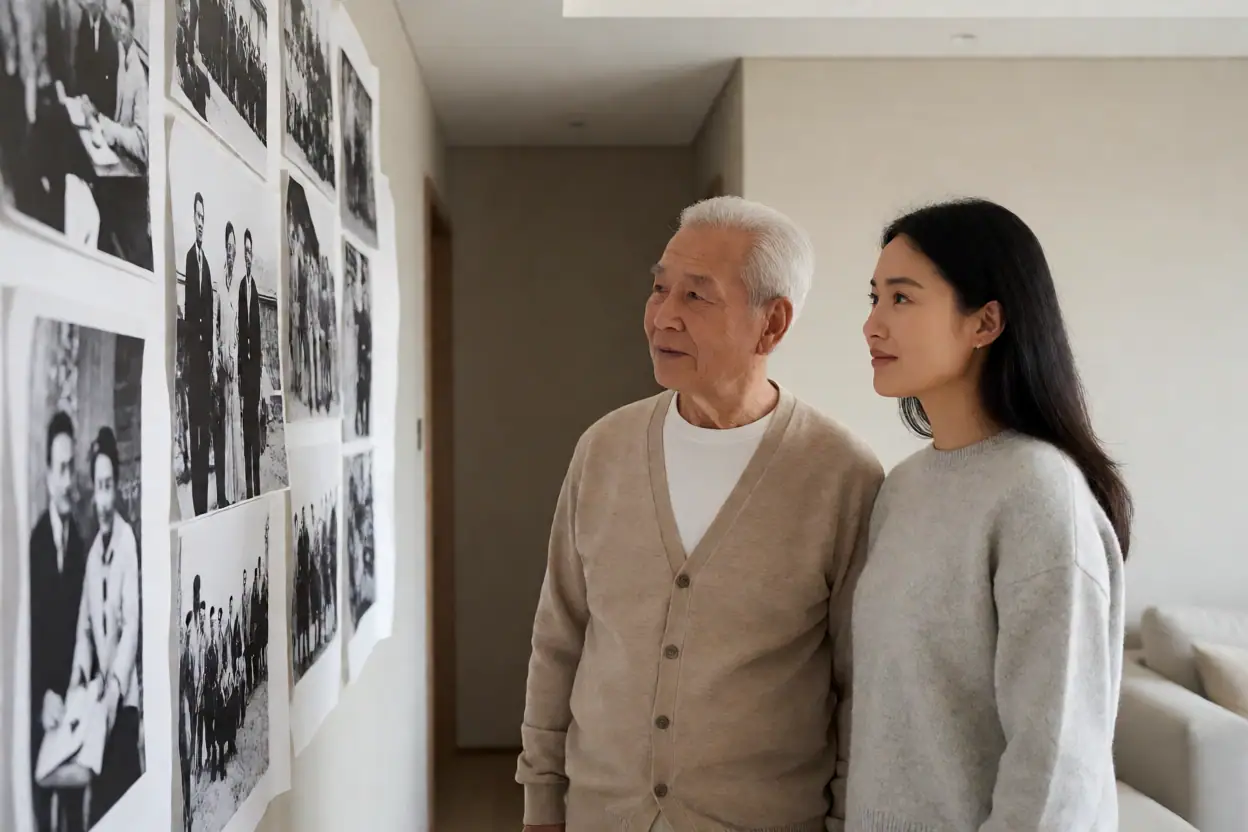
The materials concerning these three figures also suggest that research on people bearing a particular surname should not remain limited to compilations of notable individuals’ deeds. Online genealogies can help locate the genealogy title, volume number, compilers, founding migrant ancestor, and dispersed settlements, while local gazetteer databases can assist in verifying official appointments and local activities. Oral accounts in family memoirs, old photographs, transcriptions of tomb inscriptions, and contract information may also supplement family details absent from official histories. However, genealogies and oral accounts alike have limitations related to the dates they were compiled, the ways later additions were made, and the perspectives of individual branches; their sources must still be recorded and cross-verified.
When tracing the roots of the Shui surname, one should first establish an evidentiary chain from the known ancestral residence, the names of recent ancestors, generation names, and dates of migration, and then trace the line back one generation at a time. A shared hall name, nearby residences, or the Shui surname itself cannot independently prove that people belong to the same lineage. Relationships such as father and son, grandparent and grandchild, and branch affiliations should likewise be supported by genealogy prefaces, lineage charts, epitaphs, household registers, or local gazetteers. Only by comparing surname materials, genealogical lineages, and local documents on a shared timeline can a relatively credible account of family history gradually be formed.
Learn More and Verify
- Hao-Surname Figures and Cultural Lineage Clues: From Historical Records to Family Memory
- Literary Clues on the Neng Surname and Methods for Organizing Family Memories
- Clues to the Diao surname’s generation names and compilation of family genealogies in multiple parts of Beijing
- Research into Xing clan figures and family history through records of Xing Nanrong
Genealogy Knowledge and Methods for Compiling Genealogies · Finding Genealogies and Local Gazetteers · Organize family-root-seeking leads