Research into Xing Figures and Family History Through Records of Xing Nanrong
Existing materials center on the Tang-dynasty figure Xing Nanrong and also include leads on modern and contemporary Xing figures. Claims concerning dates of birth and death, native place, civil-service examinations and associations, official positions, and honors or titles conferred still require item-by-item examination against official histories, epitaphs, local gazetteers, and original genealogical records; lineage relationships cannot be inferred solely from a shared surname or from lists of figures.
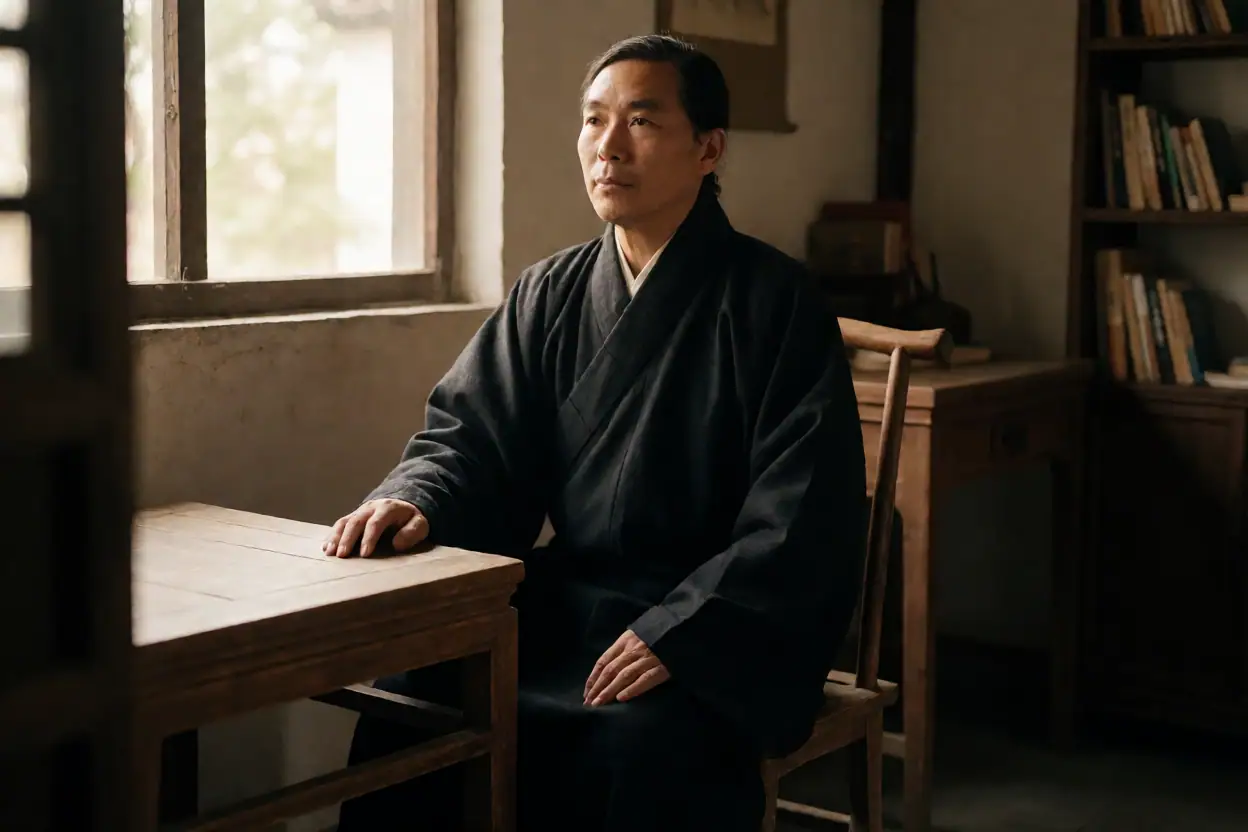
Materials on figures bearing the Xing surname offer one way to understand the history and culture associated with the surname, but a list of figures is not equivalent to a complete genealogy. Existing records mention the Tang scholar and official Xing Nanrong and connect him with local cultural memory in Gao'an, Jiangxi; they also contain entries on Xing Yuanlong, Xing Xinpeng, Xing Shiping, Xing Youjin, Xing Qiangguo, and other historical and contemporary figures. These individuals lived in different periods, regions, and professional contexts. Together, they present several aspects of Xing social activity, but they do not establish that the individuals belonged to a continuously traceable clan lineage.
Regarding Xing Nanrong, the materials state that he was born in 746 and died in 819, was also known as Xing Xian, had the courtesy name Tiwei, and was from an area corresponding to present-day Gao'an, Jiangxi. They also record that he served as a Grand Councillor of the Court of Imperial Sacrifices, Libationer of the Imperial Academy, and Guest Attendant to the Crown Prince. The materials further discuss his civil-service examinations, diplomatic missions, associations, return to his hometown to lecture, founding of Guiyan Academy, and posthumous honors. This information provides a clear biographical framework, but the evidentiary basis for each item is not the same. His dates of birth and death, official positions, and examination history should be checked against Tang historical texts, examination records, and epigraphic sources. Claims concerning his association with Liu Zongyuan and Liu Yuxi, as well as the composition of his epitaph, should be confirmed through editions of collected works, transcriptions of epitaphs, or reliable bibliographic records.
A commemorative representation related to Xing Nanrong is displayed in a public cultural space in Gao'an. This may indicate his place in local historical memory, but it cannot on its own prove every detail of his biography. The credibility of accounts of his life would be further strengthened if local gazetteers, academy records, rubbings of inscriptions, and genealogical records could corroborate one another. For place names such as “Hongcheng” and “Hualin,” attention must also be paid to changes in historical and modern jurisdiction, variant names, and administrative divisions, so as not to directly substitute the scope of present-day place names for Tang-dynasty geographical concepts.
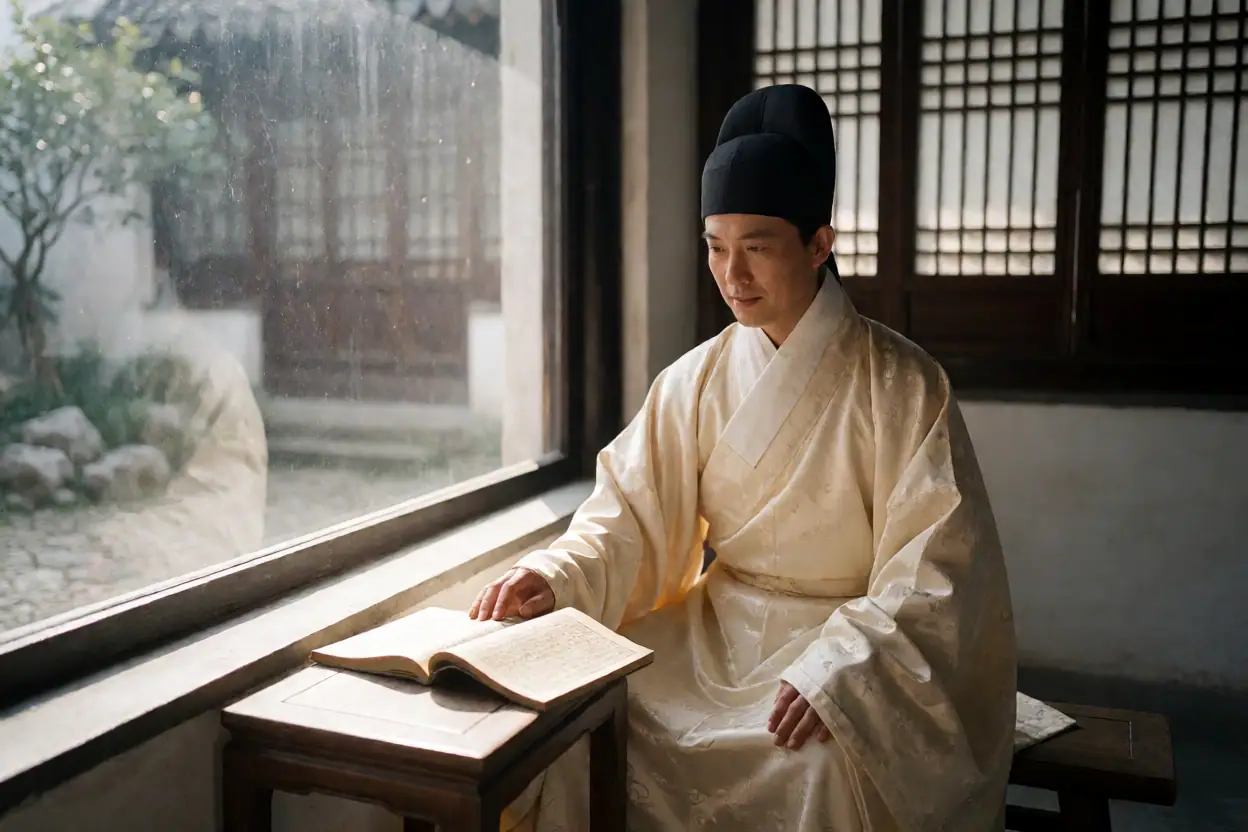
When tracing Xing family roots, begin with surviving family materials by organizing ancestors’ names, generation names, spouses, places of residence, dates of relocation, burial sites, and places of worship, and then use surname materials and local gazetteers to look for records of people with the same names in the same locations. Online genealogies are useful for bringing together scattered materials and noting the sources of evidence, while family memoirs can preserve oral accounts, reasons for relocation, and kinship terms. Oral accounts should identify the narrator and the date of recording, and should be cross-referenced with household registers, contracts, inscriptions, and original genealogical records.
Ancestral hall names, commandery origins, and migration legends can serve only as search leads. People with the same surname may belong to different regions or branches, and may even have different origins of the surname; the same ancestral hall name may also be adopted by multiple families. Therefore, directly tracing a modern family back to, or forward from, a historical notable requires records covering continuous generations. A more reliable approach is to record verified facts, claims still awaiting verification, and family oral traditions in separate layers, and to discuss branch affiliation only after the evidence has been supplemented.