Record of the Fourth Xinglong Hall Hu Clan Genealogy Gathering in Yizheng, Yangzhou
During the 2018 Spring Festival period, members of the Xinglong Hall Hu Clan from the Liuji area of Yizheng, Yangzhou, held their fourth genealogy gathering. Through discussions, exchanges, registration of new members, and the passing down of family traditions, they strengthened family ties. The relationships among the relevant branches and the lineage connections still require further verification against genealogies, local gazetteers, and original documents.
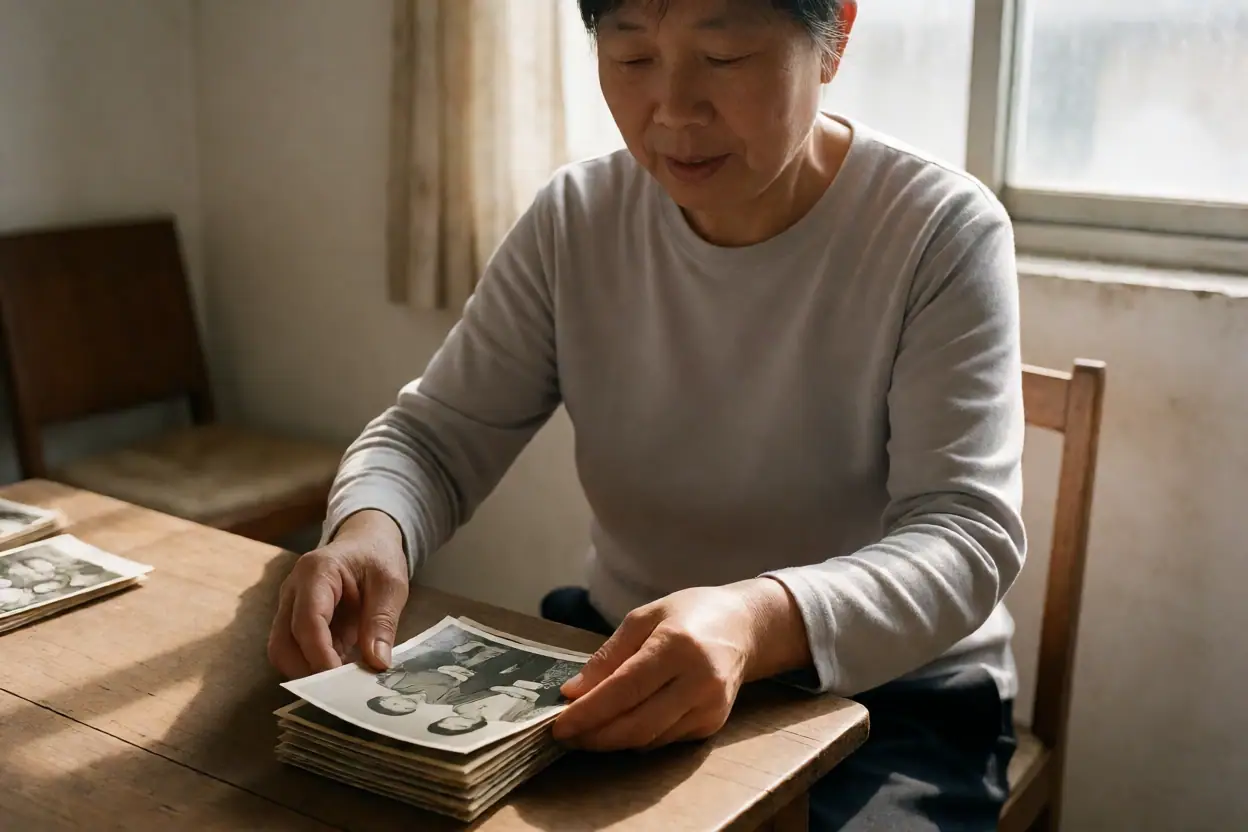
On February 17, 2018, the sixth day of the first month in the lunar calendar, the Zhaozhuang Group in Liuji, Yizheng, Yangzhou, held a Hu clan genealogy exchange activity. Existing activity records state that this was the fourth genealogy gathering held by the local Xinglong Hall Hu Clan, with the venue at the home of clan member Hu Daolong. The Spring Festival has traditionally been a time when relatives return home and reunite, and choosing this period to discuss the genealogy and share family ties also gave family members living in different places an opportunity to communicate face to face.
The activity was not merely a festive gathering; it also involved the organization of genealogical records. Participants exchanged information about the family’s recent circumstances and registered newly born members in the genealogy. Adding information such as names and years of birth for new members may seem straightforward, but it in fact relates to branch affiliation, generational order, and the subsequent connection of lineage records. When compiling or revising a genealogy in a standardized manner, it is also usually necessary to check birth certificates, household registration records, entries in older genealogies, and oral accounts from elders, so as to avoid incorrect connections caused by factors such as identical names, alternate names, adoption, or relocation.
The activity records also mention that several Hu surname settlements near Yangzhou, as well as Hu clan members in the Tianchang area of Anhui, may have historical connections with Xinglong Hall. However, whether these connections represent migration and branching within the same lineage, relations through marriage, or a sense of shared kinship formed through long-term regional interaction should still be determined on the basis of prefaces to older genealogies, lineage tables, gravestones, contracts, local gazetteers, and family documents that can corroborate one another. Sharing a surname does not necessarily mean sharing the same lineage; surname, residential proximity, or similar oral accounts alone are insufficient to confirm a common ancestor and a continuous lineage.
With regard to the Hu surname as a whole, existing surname records include accounts of commanderies such as Xiapi, Pengcheng, and Henan, and also record hall names such as Xiapi Hall. The historical distribution of the Hu surname also includes Hubei, Hunan, Henan, Jiangxi, and Anhui. Xinglong Hall is the branch hall name or family designation used in this activity. It should not be directly conflated with Xiapi Hall, nor can it be used to infer that the branch necessarily descends from any particular ancient commandery. There have long been multiple explanations for the origins and development of the Hu clans, including place names, official titles, and local branches. For the Yizheng branch specifically, research should still begin with the records of its founding migration in the branch genealogy and with historical documents from successive periods.
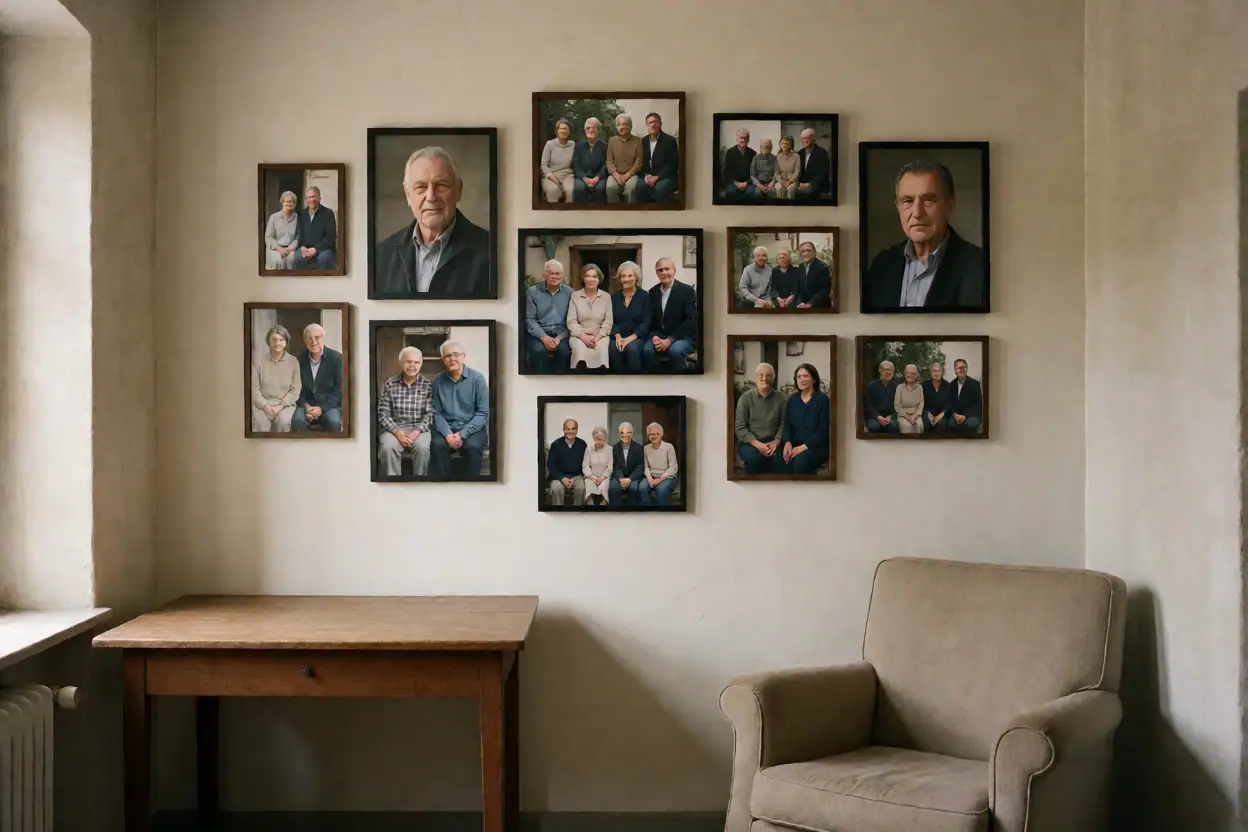
Modern lifestyles have expanded the areas in which clan members live apart, while everyday mutual assistance and contact within traditional villages have declined to some extent. Genealogy gatherings therefore serve both to verify information and to preserve family memories. In addition to lineage registers, recollections by firsthand participants of relocation, occupations, marriage, education, and rural life can also be compiled into family memoirs and cross-referenced with individual entries in an online genealogy. If further ancestral research is undertaken, it can proceed in the following order: interviews with living relatives, scanning and organizing old genealogies, verification of inscriptions and identity documents, searches of local gazetteers, and comparison across branches. Each record should be annotated with its date, recorder, and type of evidence.
This gathering reflects the importance that local Hu clan members place on organizing genealogical records, maintaining family connections, and passing down family traditions. Its value lies not only in adding names to the genealogy, but also in preserving the life trajectories of ordinary families. Questions concerning unverified ancestral affiliations, migration routes, and relationships among branches in different regions should remain open until more original materials are available, after which they can be assessed.
Learn More and Verify
- Yihuang, Jiangxi Hu Clan Ancestral Hall: An Ancestral Hall and Local Family Memory
- Genealogical Materials and Branch-Line Analysis of the Chu Surname in Shandong
- Memories of the Mu Clan’s Succession in Lijiang and a Critical Analysis of the Genealogy
- The Legend of the Xue Clan’s Founding Migration to Wutan, Taojiang, and Clues from Genealogical Records
Genealogy Knowledge and Methods for Compiling Genealogies · Finding Genealogies and Local Gazetteers · Organize family-root-seeking leads