Tracing the Origins of Niu Lineages Through Generation Names and Regional Clues
Descendants of a Niu lineage from Niugou, Yanshi, Henan, are tracing their family line using “打锅牛” as a clue, but Niu generation names vary significantly from place to place. Identifying a lineage branch cannot rely solely on a surname or appellation; it should be cross-checked against ancestral places of residence, consecutive generation names, genealogical records, inscriptions, ancestral hall records, and local gazetteers.
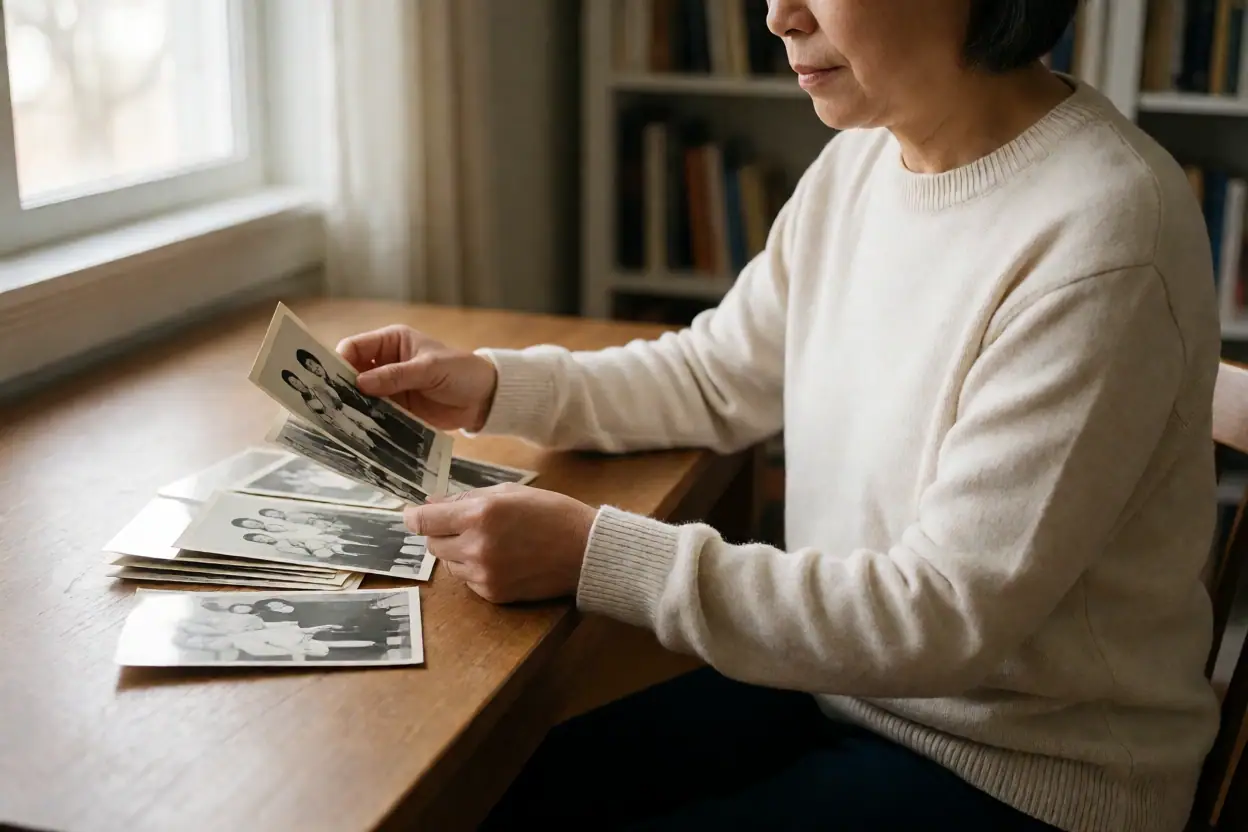
Some Niu descendants have mentioned that their ancestral home may have been Niugou, Yanshi, Luoyang, Henan. The elders in the family have passed away, and the only detail currently remembered is that their lineage branch was once known as “打锅牛.” This designation has some value for genealogical research, but it is insufficient on its own to determine the identity of the ancestors, migration routes, or lineage affiliation. The same designation may be found in different regions, and different interpretations may also have arisen through relocation, branch division, local accents, or later attribution.
Existing informal accounts indicate that different forms of Niu generation-name sequences have circulated in Baoding and Zhuozhou, Hebei; Jiyuan and Jiaozuo, Henan; and Shandong, Hubei, Hunan, Anhui, and other places. Some accounts also associate certain lineage branches with “打锅牛,” but the order of the generation names is not consistent across regions. This variation is not unusual: families with the same surname may have different origins, and even branches descended from the same earlier ancestor may establish new generation-name sequences after migrating to different places. The same lineage branch may also adjust the characters used when revising genealogies, consolidating clans, or observing naming taboos. Therefore, the generation names from one locality should not be applied directly to the Niu branch of Niugou, Yanshi.
Generation names, also called ranking characters or lineage-generation names, are commonly used to indicate the order of generations within a family. When assessing them, try to collect the names of a grandfather, great-grandfather, and their brothers and cousins, and examine whether they share characters in a continuous and stable pattern. A single name that happens to match a particular generation-name sequence can only be treated as an indication. Its evidentiary value increases if it corresponds continuously across more than three generations and is corroborated by the ancestral village, branch designation, and direction of migration. It is also important to note that some families place the generation character at the end of the name, some households later stopped naming children according to the lineage-generation formula, and women’s names may not have been included in traditional ranking systems.
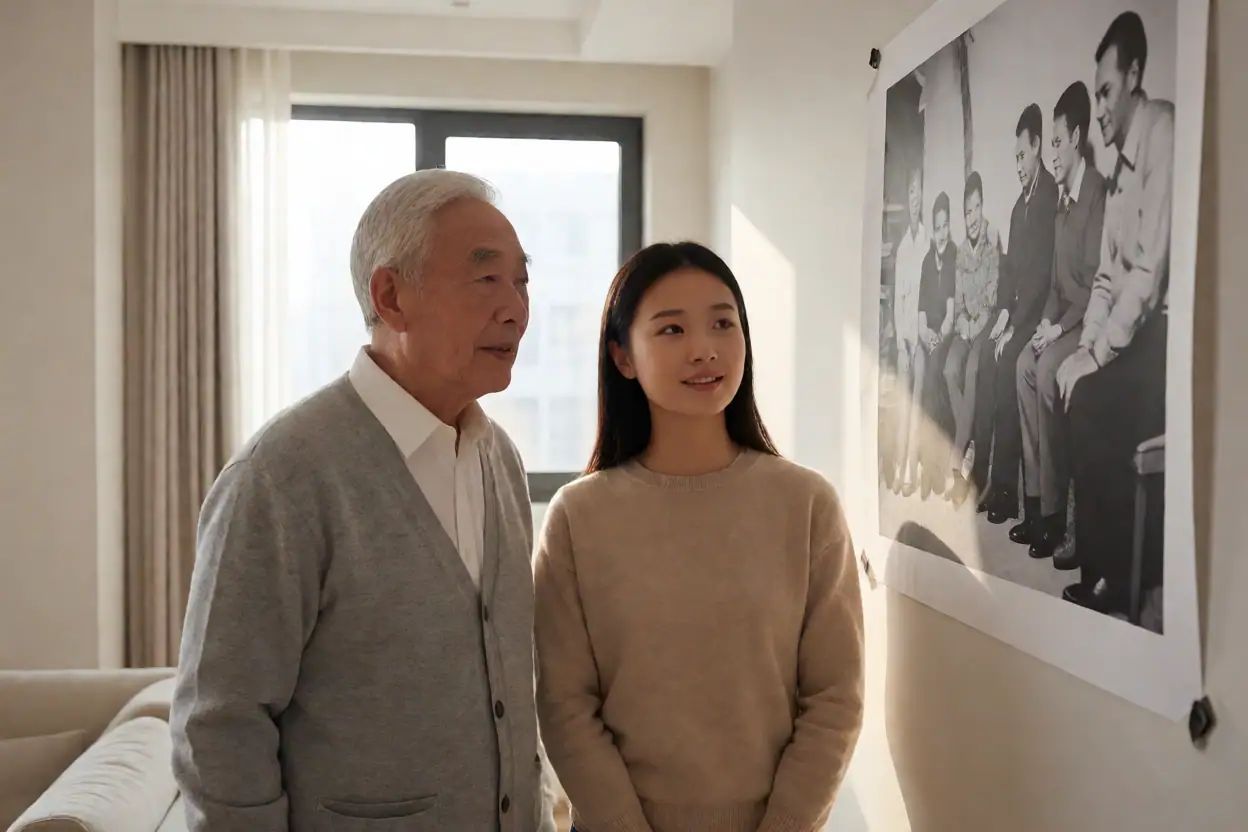
For research into the Niu lineage of Niugou, Yanshi, begin by compiling a family memoir that records the names, childhood names, birthplaces, burial places, occupations, marital relationships, and dates of departure of known relatives, while preserving levels of certainty such as “uncertain” and “as heard from an elder.” Online genealogies can then be searched using combinations of terms such as “Niu,” “Yanshi,” “Niugou,” and “Luoyang.” Local gazetteers, village records, former place names, ancestral hall inscriptions, gravestones, and lists of genealogy compilers should also be consulted. If a genealogy with a similar hall name, founding migrant ancestor, or generation-name sequence is found, its preface, lineage tables, and records of places of residence should be checked carefully; the surname and title alone are not sufficient.
When contacting fellow clansmen, it is best to ask specific, answerable questions, such as the village’s former name, the generation names used in certain generations, the location of ancestral graves, and whether an old genealogy has been preserved. Only when oral accounts from multiple families correspond with genealogical records, inscriptions, and local gazetteers can a reliable relationship gradually be established. The Niu generation names circulated in different regions may first be retained as search indexes, but they should not be used to conclude that all Niu families descend from a single ancestor, nor should the designation “打锅牛” alone be used to merge genealogies.
Learn More and Verify
- Compiling the Xue Surname’s Generation Names in Fujian: From Regional Clues to Analysis of Family Genealogies
- Clues to Generation Names and Branch Analysis for the Shandong Huai Surname
- A Study of the Ge Surname: From Character-Form Clues to Analysis of Family Genealogies
- Niu Clan Qibin Genealogy: Family Memory Through Clues from a 1527 Genealogy Manuscript
Genealogy Knowledge and Methods for Compiling Genealogies · Finding Genealogies and Local Gazetteers · Organize family-root-seeking leads