Sima Rangju: The Spring and Autumn General Who Disciplined the Qi Army Through Military Orders
Sima Rangju’s original name was Tian Rangju; he came to be known by this name because he served as the Minister of War of Qi. The relevant accounts chiefly portray his efforts to enforce military discipline, care for soldiers, and uphold clear rewards and punishments, while also reminding later generations to distinguish between official titles, the origins and development of surnames, and specific family lineages.
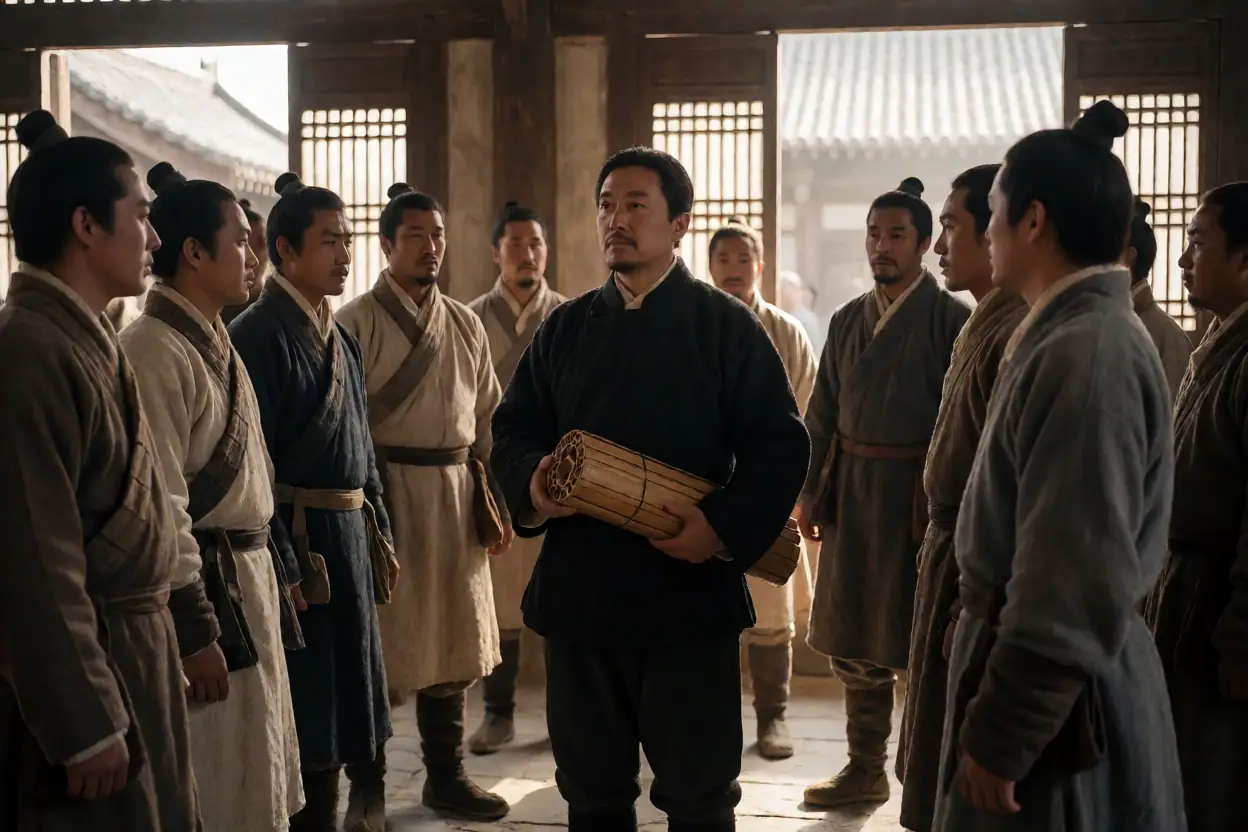
Sima Rangju was an important military figure in the state of Qi during the Spring and Autumn period. According to the historical accounts currently available, he was originally of the Tian clan and was named Rangju. Because he had once served as the Minister of War of Qi, later generations came to refer to him as “Sima Rangju.” Here, “Sima” was first and foremost an official title; it cannot be used to conclude directly that all of his descendants belonged to the Sima clan, still less that all people surnamed Sima descended from the same lineage branch.
During the reign of Duke Jing of Qi, the army of Jin invaded Qi territory, while the Yan army also advanced from the north, leaving Qi temporarily attacked from both south and north. Yan Ying, the chancellor, believed that Tian Rangju possessed the ability to govern an army and respond to changing circumstances, and recommended him to Duke Jing of Qi. After summoning Tian Rangju and examining his views, Duke Jing appointed him to command the army. Rangju, aware that his original status was not high, worried that the soldiers and people might not immediately accept his authority. He therefore asked the ruler to appoint another highly respected minister to serve as military supervisor. Duke Jing of Qi accordingly sent Zhuang Jia with him.
Before setting out, Rangju and Zhuang Jia agreed to meet at the military gate at noon the following day. Rangju arrived on time, set up timekeeping instruments, and organized military affairs. Zhuang Jia, however, was delayed by friends and relatives seeing him off and did not enter the camp until dusk. Rangju questioned him about responsibility for the delay under military law and ultimately punished Zhuang Jia, thereby demonstrating to the entire army that military orders could not be altered on account of status. Duke Jing of Qi sent a messenger to arrive and pardon him. Rangju nevertheless stressed that military commands had to be obeyed; because of the messenger’s special status, he did not execute him directly but instead punished his carriage and attendants. This story has often been used to illustrate the relationship among military discipline, authority and responsibility, and the ability to enforce decisions, but its specific details should still be examined in light of different versions in the historical texts.
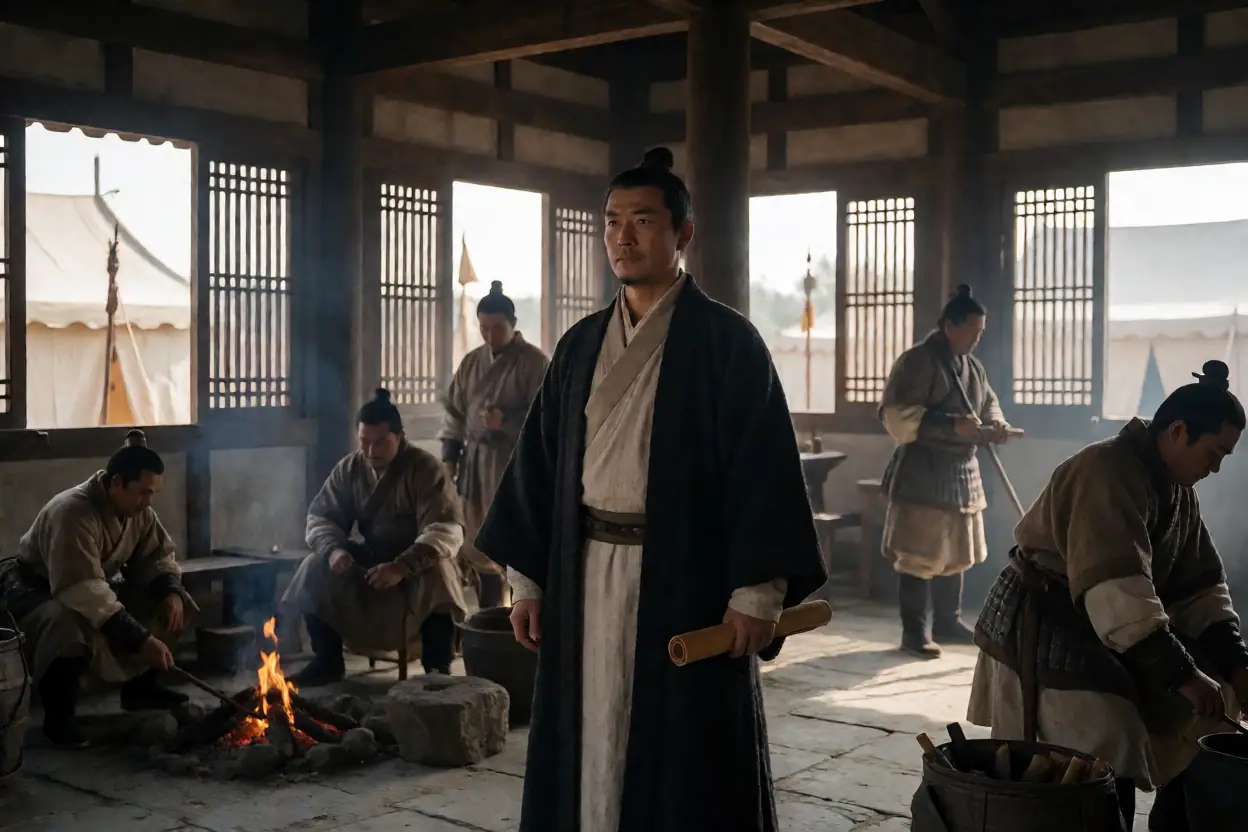
After the army set out, Rangju did not focus solely on punishment. He inspected the barracks, inquired about the wells, cooking equipment, and provisions, visited sick and wounded soldiers, cared for those who were weak or exhausted, and contributed his own supplies for the soldiers to share. Strict laws and orders coexisted with concern for his men in his approach to military administration, a characteristic repeatedly emphasized in the relevant accounts. The historical narratives subsequently record that the Qi army’s morale improved and that the enemy withdrew as circumstances changed, earning Rangju a reputation.
From the perspective of surname studies, the relationship between Tian Rangju and “Sima” is best understood against the background of surnames derived from official titles, the differentiation of surnames, and the evolution of historical appellations. Surname databases, online genealogies, and local gazetteers can be used to compare records of the Tian and Sima clans in different regions; family memoirs can help preserve information about migrations, branch divisions, and ancestral rites in the more recent past. Genealogical research should still rely on cross-checking original genealogy documents, epitaphs, local gazetteers, and continuous lineages. A direct blood relationship should not be inferred solely from a shared surname, hall name, or the renown of a historical figure.
Learn More and Verify
- The Kui Clan and Strife within the Spring and Autumn Royal House: A Historical Narrative of Interwoven Marriage and Power
- The Si Surname and the Compound Surname Sima: Records of Historical Figures and Analysis of Clan Lineages
- Emperor Gong of Jin, Sima Dewen: His Life and Fate Before and After the Fall of the Eastern Jin
- Yang Xiu and Sima Yan: Trust and Boundaries in the Social Relations of Wei-Jin Elite Families
Genealogy Knowledge and Methods for Compiling Genealogies · Finding Genealogies and Local Gazetteers · Organize family-root-seeking leads