Hang Family Instructions in Shanqian Village: From Family Memory to Shared Community Good
Shanqian Village in Fangshan Town, Donghai, Jiangsu, has preserved a set of Hang family instructions. Centered on diligence and thrift, filial piety and fraternal respect, harmony, lawfulness, and self-discipline, they have been passed down through villagers’ accounts, family revisions, and exchanges before festivals, offering a concrete example for observing local family culture.
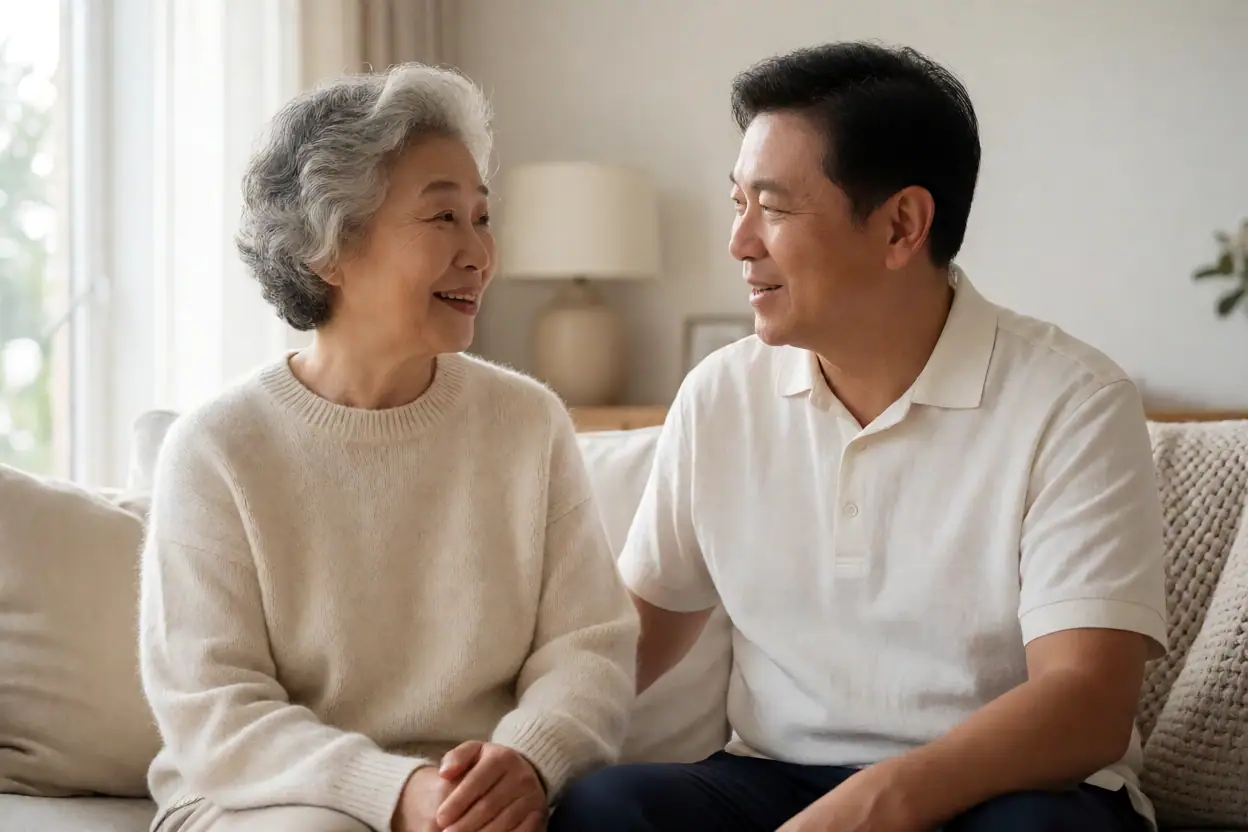
In Hangzhuang, Shanqian Village, Fangshan Town, Donghai, a set of Hang family instructions centered on everyday ethics has been passed down. Rather than emphasizing prominence or official honors, it begins with principles of daily life, including managing the household with diligence and thrift, parental compassion and filial devotion, mutual assistance among siblings, and harmony among neighbors. It also stresses restraining harmful habits, observing laws and regulations, and maintaining proper conduct and speech. For some local villagers, these words are both teachings displayed in their homes and a yardstick often used by elders when explaining how to conduct oneself.
Regarding the formation of the family instructions, a local elder, Hang Linshan, once recounted a piece of family memory: Hang ancestors left related admonitions during the Ming dynasty, and in the late Qing period, several branches of the family moved to Shanqian Village, where they subsequently established themselves. As this account has been transmitted mainly orally, its specific dates, migration routes, and the relationships among the various branches still need to be checked item by item against genealogies, tombstones, local gazetteers, and other documents. In other words, the long-term transmission of the family instructions can be examined as a form of local cultural memory, but the complete lineage cannot be confirmed from the family instructions alone.
The family instructions have not remained unchanged. Hang Linshan recalled that beginning in the 1960s, he, Hang Nanshan, Hang Buyu, and others organized some of the more obscure wording based on clan members’ views, making it easier to recite and understand. After the beginning of the new century, the family instructions also incorporated content more closely aligned with everyday life, such as observing discipline and the law and exercising self-restraint, gradually taking the relatively fixed seven-character format seen today. These adjustments show that the vitality of traditional family instructions lies not only in preserving the original text, but also in whether later generations can understand it and translate it into concrete actions.
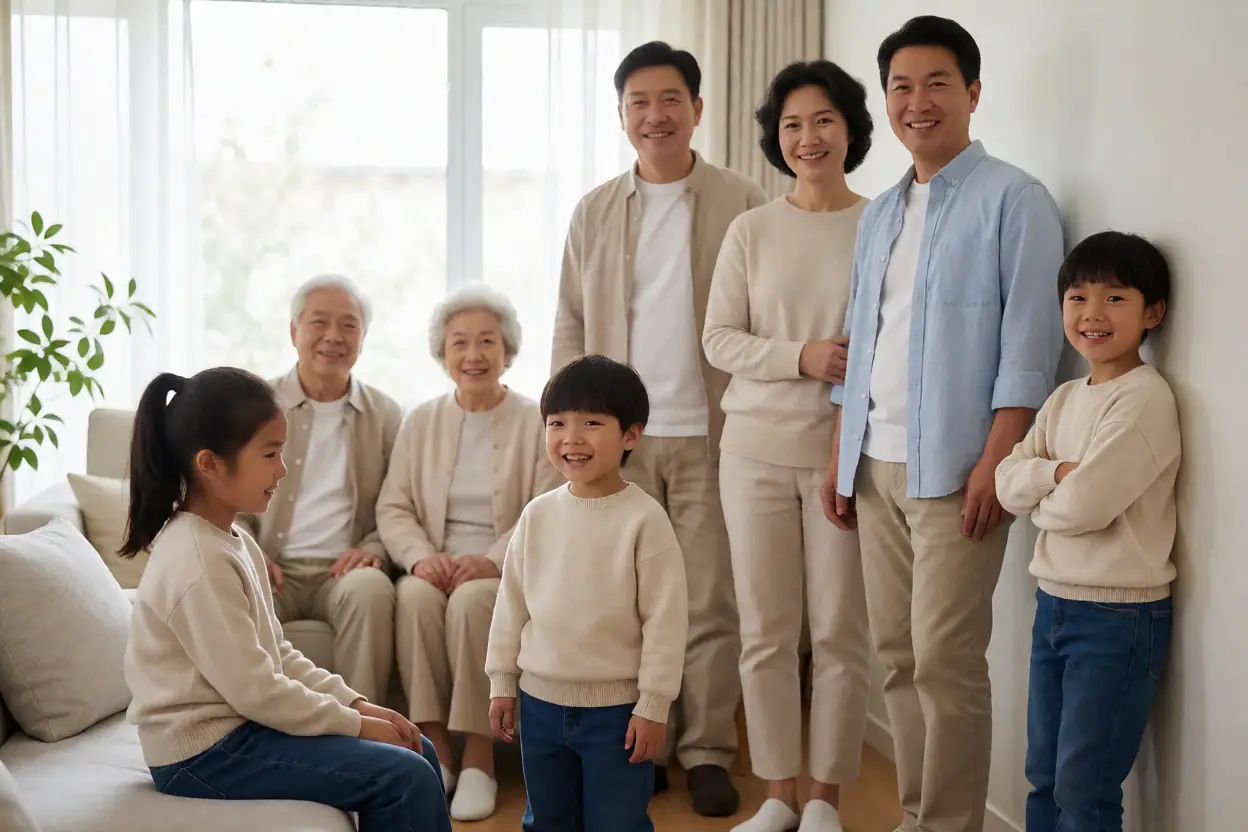
Beginning around 2010, Hangzhuang also developed a custom of discussing the family instructions around the Spring Festival. Retired teachers, village officials, and elders familiar with family history would often explain the relevant content at home or during gatherings in the village. The audience included both Hang clan members and other villagers. The focus of these exchanges was not merely reciting the lines, but also how to treat older people, educate children, handle relations with neighbors, and face temptations in daily life. The family instructions thus extended from written teachings within the family into a moral topic for discussion across the village.
To further trace the origins of the Hang family in Shanqian, records of individuals, generational names, and places of residence in online genealogies can be cross-referenced with family memoirs, local gazetteers, old land deeds, and burial materials. Different accounts of migration should be accompanied by an indication of the level of evidence and the points of disagreement. Surname materials can help researchers identify the distribution of the Hang surname and related documents, while genealogical research must be grounded in specific branches and verifiable lines of kinship. Based on the accounts currently available, what is most worthy of attention about the Hang family instructions in Shanqian Village is not only whether they can be traced in full to a particular period, but also how they have been reinterpreted in local society and continued to influence family education and relations among neighbors.
Learn More and Verify
- The Hang Family of Shanqian, Fangshan: Local Memory Sustained by Family Instructions
- Medieval Family Memory and Genealogical Continuity Seen Through the Stele of the Yan Family Shrine
- Two Visits to the Kuang Clan Ancestral Hall: Family Memories in the Lingnan Water Towns
- Guangzhou Donghu Village Kuang Clan Grand Ancestral Hall: Family Memory in Lingnan Historic Architecture
Genealogy Knowledge and Methods for Compiling Genealogies · Finding Genealogies and Local Gazetteers · Organize family-root-seeking leads