The Hu Clan Ancestral Hall in Yihuang, Jiangxi: An Ancestral Hall and Local Family Memory
A Hu family news item published in 2018 records the attention drawn to the construction of the Hu family ancestral hall in Yihuang, Fuzhou, Jiangxi. The ancestral hall serves the functions of ancestor worship, deliberation, and maintaining ties among fellow villagers, while also reminding us that the connections between Hu family branches in different places should be carefully examined in conjunction with genealogies, local gazetteers, and family memory.
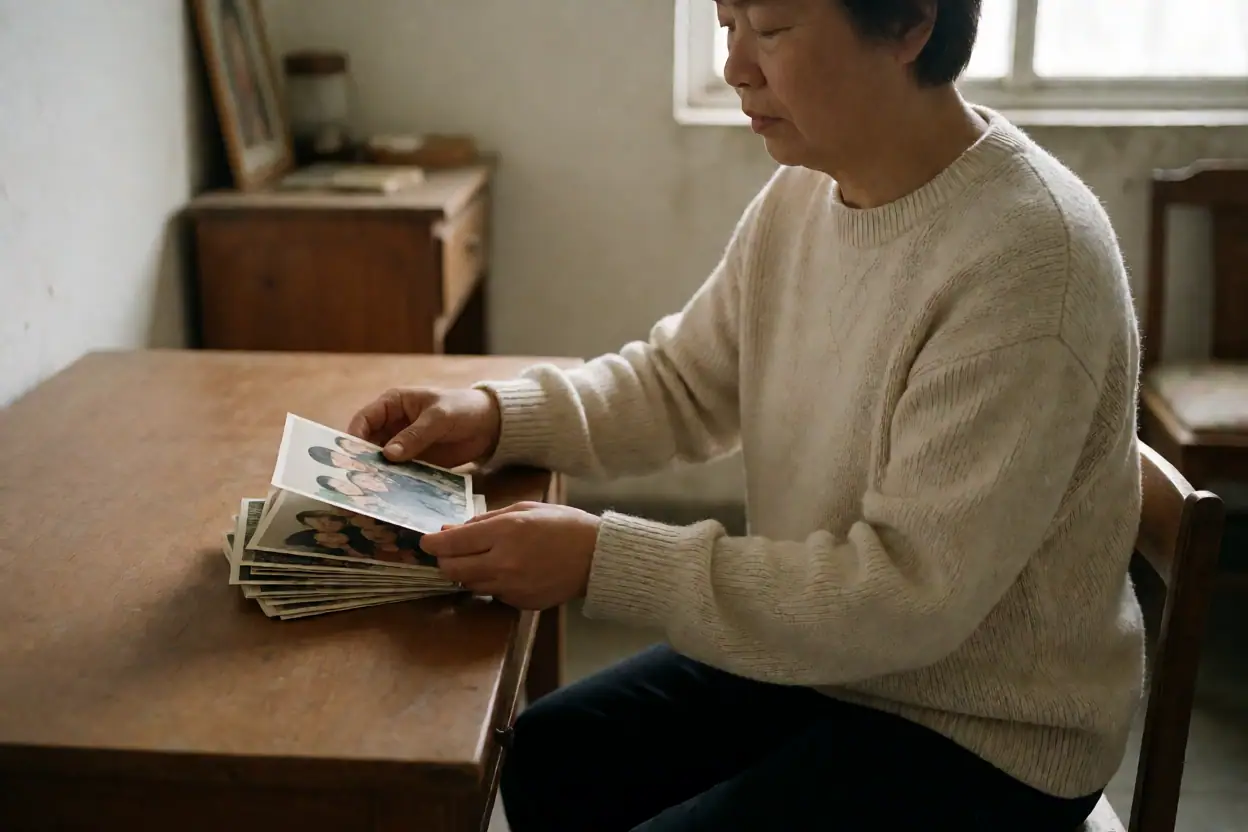
In June 2018, a report about the construction of the Hu Clan Ancestral Hall in Yihuang, Fuzhou, Jiangxi, drew the attention of members of the Hu clan. Centered on congratulations on the completion, or impending completion, of the ancestral hall, the text expressed recognition of local relatives' efforts to build it and conveyed greetings to the clanspeople who participated in its planning and construction, provided funding, or contributed their labor. Based on the available clues, this was a family cultural activity jointly promoted by local members of the Hu clan. The specific completion date, building location, contents of the commemorative inscription, and participants should still be further verified against on-site materials and local archives.
In traditional rural society, an ancestral hall was often more than a place for venerating ancestors; it also served functions such as hosting clan gatherings, conducting deliberations, maintaining contact with relatives and friends, and preserving documents. For surnames whose members migrated frequently and whose branches were widely distributed, ancestral halls, genealogies, tomb inscriptions, and local gazetteers often collectively formed the carriers of family memory. The construction of the Hu Clan Ancestral Hall in Yihuang can therefore be regarded as an effort by local clanspeople to organize their history, maintain kinship ties, and pass down family traditions. However, the establishment of a single ancestral hall should not, by itself, be taken to indicate that it has already established a clear clan relationship with Hu clan branches in other areas.
The Hu surname has given rise to various accounts of its origins in different historical periods. These include explanations associated with place names and official titles, as well as genealogical traditions maintained over long periods by local branches. Existing surname materials list Xiapi, Pengcheng, and Henan as traditional commanderies or distribution clues associated with the Hu clan, and record Hu communities in Hubei, Hunan, Henan, Jiangxi, Anhui, and other places. This information can help researchers determine where to focus their inquiries, but it cannot directly prove that Hu families in different areas descend from the same line. Sharing a surname is only the starting point for tracing one's roots. The names of ancestors, the date of the first migration, places of residence, continuity of generational names, marital relationships, and continuity in genealogical records are the key evidence for determining relationships among branches.
Further research into the Hu Clan Ancestral Hall in Yihuang could begin with its plaque inscriptions, couplets, stone inscriptions, rebuilding records, lists of donors, and ritual records, which should be compared with local genealogies, county gazetteers, and historical materials from the villages. Online genealogies can help organize known individuals, branch lines, and migration points; family memoirs may preserve oral information not recorded in genealogies, such as changes in ancestral residences, stories about the division into branches, and the locations of former homes. Where different versions of a lineage exist, the source and degree of reliability of each record should be noted separately, avoiding the insertion of missing links merely for the sake of completeness.
Local gazetteers can also be used to verify changes in administrative divisions, changes in village names, and the areas in which historical figures were active. If clanspeople wish to connect Hu clan branches in Jiangxi with those in other regions, they should first compare verifiable common ancestors and continuous generations before discussing lineage hall names, traditional commanderies, or migration routes. The sense of local community brought together by an ancestral hall is worth cherishing, while rigorous genealogical compilation likewise requires respect for the limits of the evidence. Through cross-referencing surname materials, genealogical documents, family memories, and local gazetteers, the historical development of the Hu clan in Yihuang may be presented with greater clarity and reliability.
Learn More and Verify
- The Dingxing Lu Clan’s Ancestral Cemetery and Ancestral Hall: A Local Family Memory
- The Rise and Decline of the Rong Clan Ancestral Hall in Fuxing Township, Rong County, and Local Memory
- The Yi Clan Ancestral Hall in Helong, Ninghua: A Witness to Three Hundred Years of Family Memory
- Family Memories of the Hou Clan in Northwestern China and Their Impact on Local History
Genealogy Knowledge and Methods for Compiling Genealogies · Finding Genealogies and Local Gazetteers · Organize family-root-seeking leads