Xiangxiang Shilong Jiang Clan Genealogy, Volume Seven: Family Records Organized by Branch
Existing materials indicate that the Xiangxiang Shilong Jiang Clan Genealogy is arranged in separate volumes by branch, with the seventh volume being one of the 23 volumes in the complete set and marked as containing 46 pages. Its specific compilation date, founding ancestor of the migration, and scope of the lineage still require further verification against the genealogical pages and local historical sources.
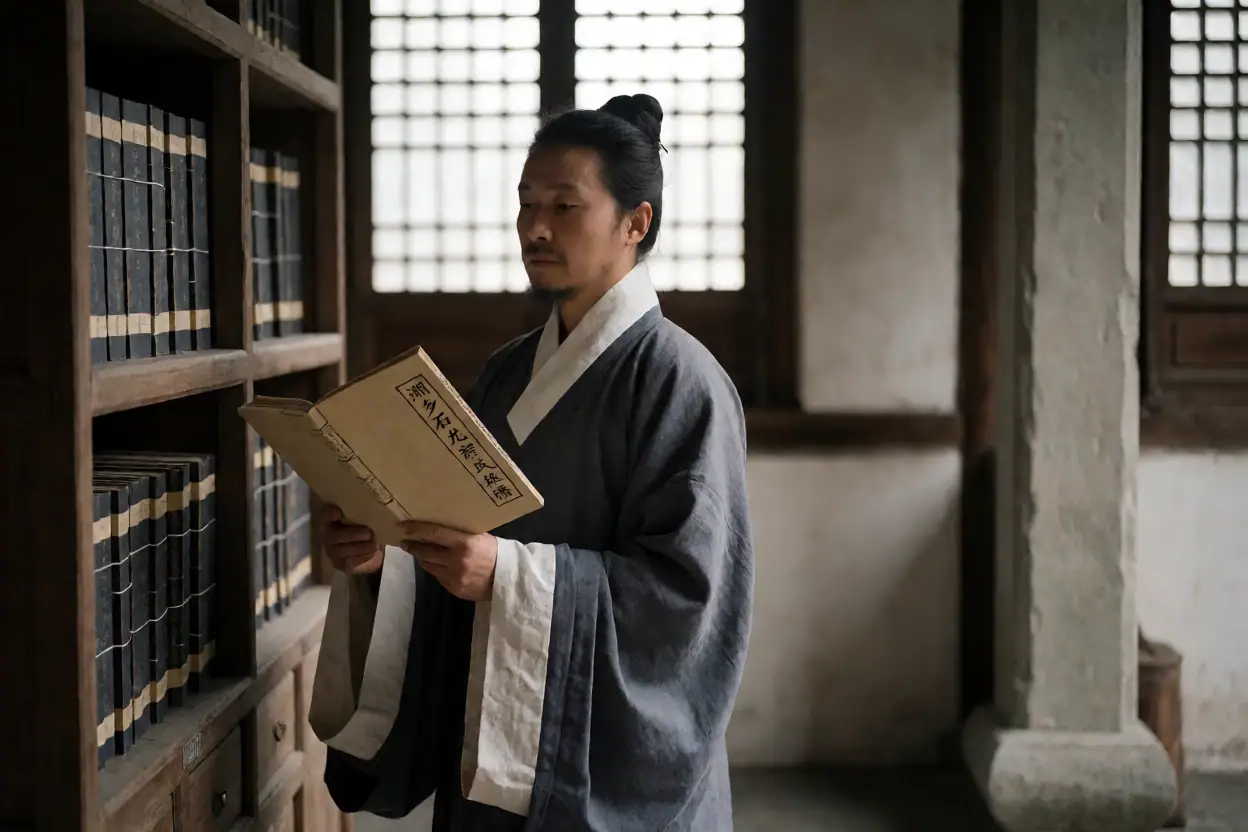
The Xiangxiang Shilong Jiang Clan Genealogy (Organized in Separate Volumes by Branch), Volume Seven, is a Jiang family document organized by branch. Existing catalog information indicates that the genealogy was not compiled as a single volume, but was divided into 23 volumes according to different branches. Volume Seven is one of these volumes, and the currently identifiable viewing page is marked as containing 46 pages. It should be noted that this page count appears more likely to be the page total of the currently organized or electronic edition. It cannot be directly equated with the number of leaves in the original genealogy, nor can it be used to determine the size or status of this branch within the family as a whole.
In terms of organization, arranging a genealogy by branch generally facilitates the recording of the lineage, marriages, relocations, property, or distribution of descendants within the same branch. However, the names “Shilong” and “Volume Seven” alone are insufficient to establish the specific branch, the founding ancestor of the migration, or its relationship to other Jiang lineages. The Jiang surname has multiple origins and migration histories in different regions. Sharing a surname or an ancestral-hall name, or even having similar generation names, cannot by itself serve as a basis for determining common ancestry. To clarify the origins and development of the Xiangxiang Shilong branch, priority should be given to checking the preface, editorial notes, lineage tables, migration records, ancestral-estate records, and generation-name records in the genealogy, while also noting any additions or rewritings of earlier genealogical content made during subsequent revisions.
The value of this type of branch genealogy lies not only in preserving names and generational relationships, but also in presenting the connections between family members and local society. If the genealogy contains information about villages, ancestral halls, burial grounds, marriages, civil-service examinations, official careers, or relocations, it can be consulted alongside local gazetteers, inscriptions, epitaphs, and family memoirs from Xiangxiang and related areas. For descendants who have left their ancestral home, online genealogies and compilations of family memories can help consolidate names, places of birth, dates of migration, and branch-related clues. However, oral memories often contain variant writings, omissions, or chronological errors, and still need to be checked item by item against the genealogy pages and local sources.
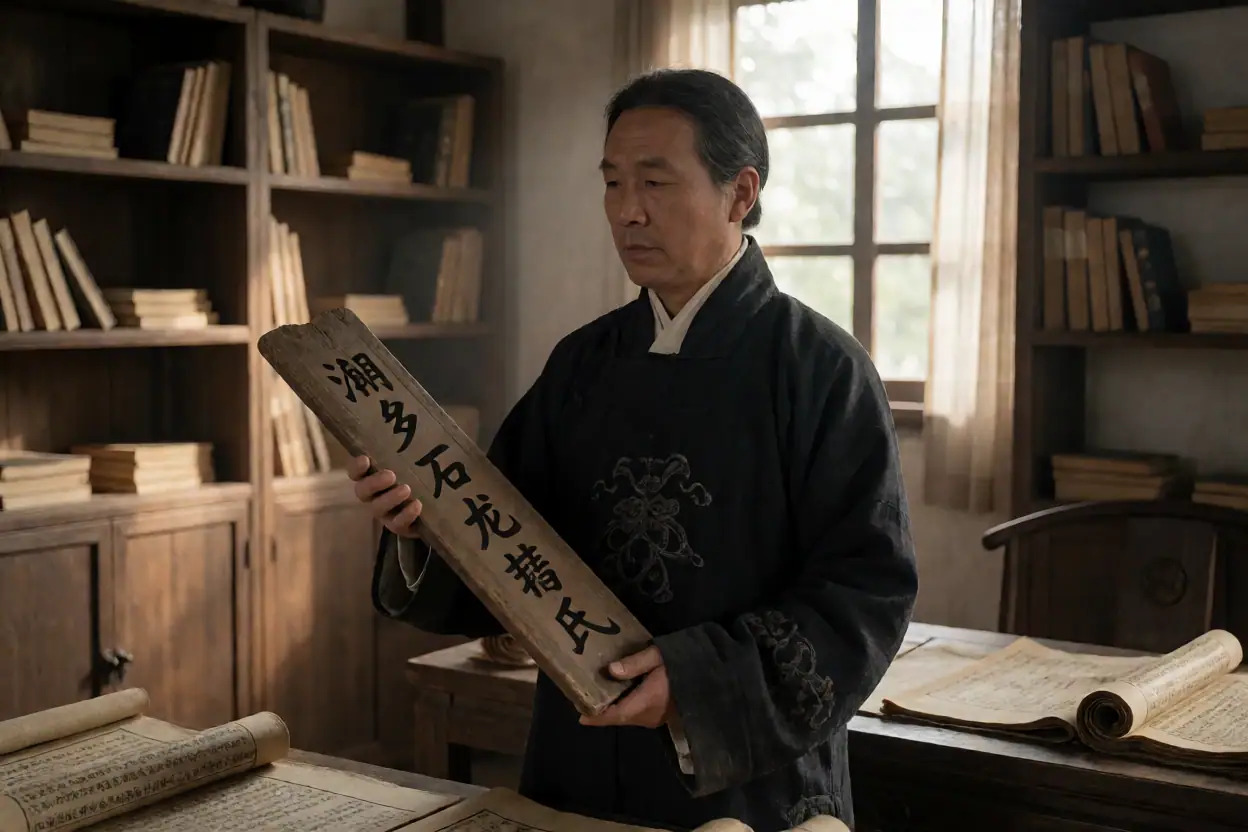
At present, there is insufficient information to confirm the compilation date, chief compiler, founding ancestor of the migration, ancestral-hall name, complete generation names, or the specific branch covered by this volume. In further genealogical research, one may begin with the known ancestral residence and the individuals entered in the genealogy within the most recent one to three generations. Record the original forms of names, variant characters, and birth order, then trace upward through the lineage, keeping different individuals with the same name separate. Only when lineage connections, changes in residence, use of generation names, and documentary records corroborate one another is it appropriate to make a relatively definite judgment about ancestral origins or branch affiliation.