Ningbo Hengjie Shui Clan Ancestral Hall: Reconstructing Memory and Lineage Heritage
Shuijia Village in Hengjie Town, Yinzhou District, Ningbo, Zhejiang, preserves the historical memory of the Shui Clan Ancestral Hall. The accounts reference milestones including its initial construction during the Ming dynasty, renovation during the Tongzhi period of the Qing dynasty, and reconstruction after a fire. They also suggest that later generations should carefully examine its architectural development and branch relationships in conjunction with genealogies, local gazetteers, and field materials.
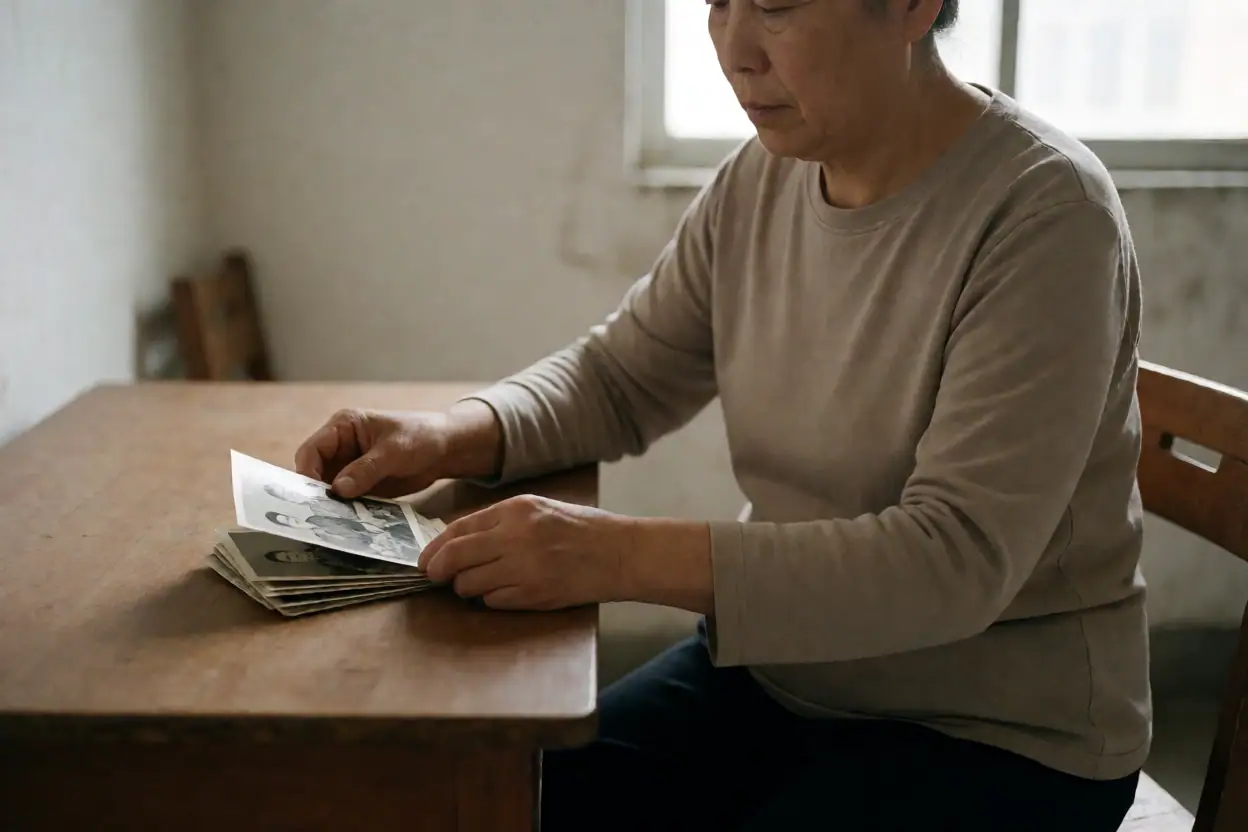
Shuijia Village in Hengjie Town, Yinzhou District, Ningbo, Zhejiang, is home to an ancestral hall linked to the long-standing collective memory of local members of the Shui clan. Existing accounts state that the building was originally constructed during the Wanli period of the Ming dynasty through joint contributions from clan members. It was primarily used for ancestral worship and served as a place of worship and gathering for members of the Shangzhai, Xiazhai, and Chenlang'an branches, as well as related clan members living elsewhere. If this timeline can be corroborated by inscriptions, genealogies, or local gazetteers, it would reflect not only the construction of a building but also the historical testimony of a local clan establishing a shared public space.
Regarding its architectural form, sources mention that the ancestral hall had three entrance gates, with a relatively high threshold at the main entrance; in daily use, the two side gates were more commonly used. The hall also included spaces such as an opera stage, a courtyard, viewing stands, and side chambers. A plaque bearing the inscription “Benyuan Hall” once hung in the main or central hall, and related accounts associate it with the eleventh year of the Tongzhi era of the Qing dynasty. Hall names often express a clan’s understanding of ancestral origins, continuity, and ethical order. However, a hall plaque or oral account alone is not sufficient to establish the complete genealogy, nor can it prove that all people surnamed Shui descended from a single lineage. The Shui surname may have multiple origins in different regions, and specific branches still require comprehensive examination based on the genealogy of the branch in question, tomb inscriptions, prefaces to genealogies, and local documents.
According to village recollections, during the Tongzhi period of the Qing dynasty, clan members once again raised funds to renovate the ancestral hall. The flagpole bases in front of the hall and the cloud-stone arched gates on both sides reflected the building’s ceremonial character and solemnity. In 2006, the ancestral hall suffered a fire that severely damaged the main hall; in 2008, the building was reconstructed on its original site. The rebuilt space was incorporated into the village’s public cultural activities, thereby preserving a venue for traditional memories of ancestor worship, festivals, and community events.
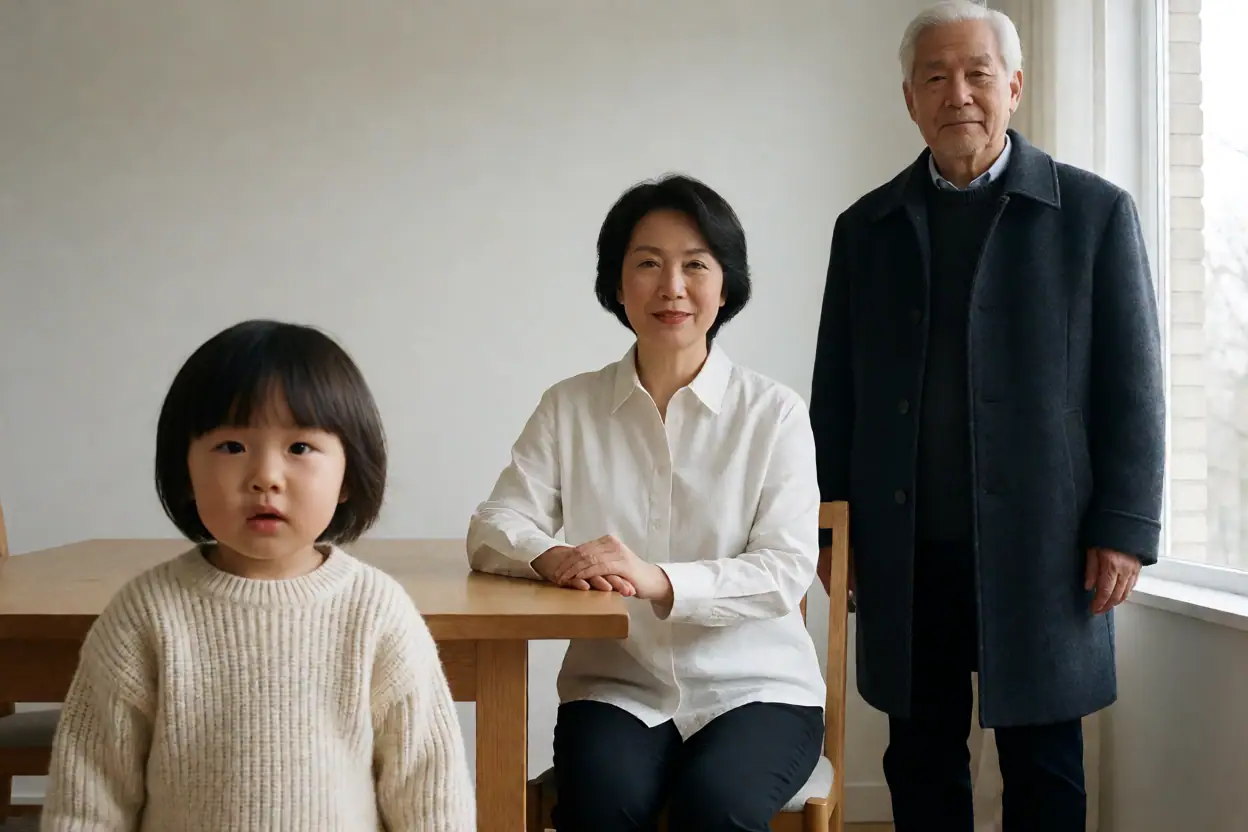
Researching the Shui Clan Ancestral Hall should not focus solely on its date of construction and architectural name; it should also examine its relationships with surrounding villages, migration routes, and the various branches of the lineage. Online genealogies can be used to compare generation names, places of residence, and marriage and relocation information. Family memoirs can supplement details about the fire, renovations, and everyday use, while local gazetteers, inscriptions, and genealogical records held in collections can help verify place names, dates, and individuals. In tracing one’s roots, the specific ancestral residence, key points in the genealogy, and documentary evidence should be used as clues to rule out, layer by layer, the possibility that people sharing the same surname belong to different lineages. In this way, the ancestral hall becomes more than a local landmark; it can also serve as a window into rural society, clan organization, and cultural transmission in Ningbo.
Learn More and Verify
- Spatial Memory and Clan Heritage at the Weng Clan Ancestral Hall in Wengshan, Taishun
- Medieval Family Memory and Genealogical Continuity Seen Through the Stele of the Yan Family Shrine
- The Peng Clan’s Collective Memory and Genealogical Continuation Traditions through the Prefaces to Its Genealogies
- Household governance ethics and clan order in the Ran family instructions
Genealogy Knowledge and Methods for Compiling Genealogies · Finding Genealogies and Local Gazetteers · Organize family-root-seeking leads