Zhu Clan Ancestral Hall by Shijiu Lake: Architectural Remains and Family Memory
The Zhu Clan Ancestral Hall by Shijiu Lake retains a three-courtyard layout extending from front to back. The stage, Dunxu Hall, and Hui-style timber structures together form a local cultural landscape. The Zhu clan’s migrations, lineage, and the history of the ancestral hall still require further verification against inscriptions, genealogies, and local gazetteers.
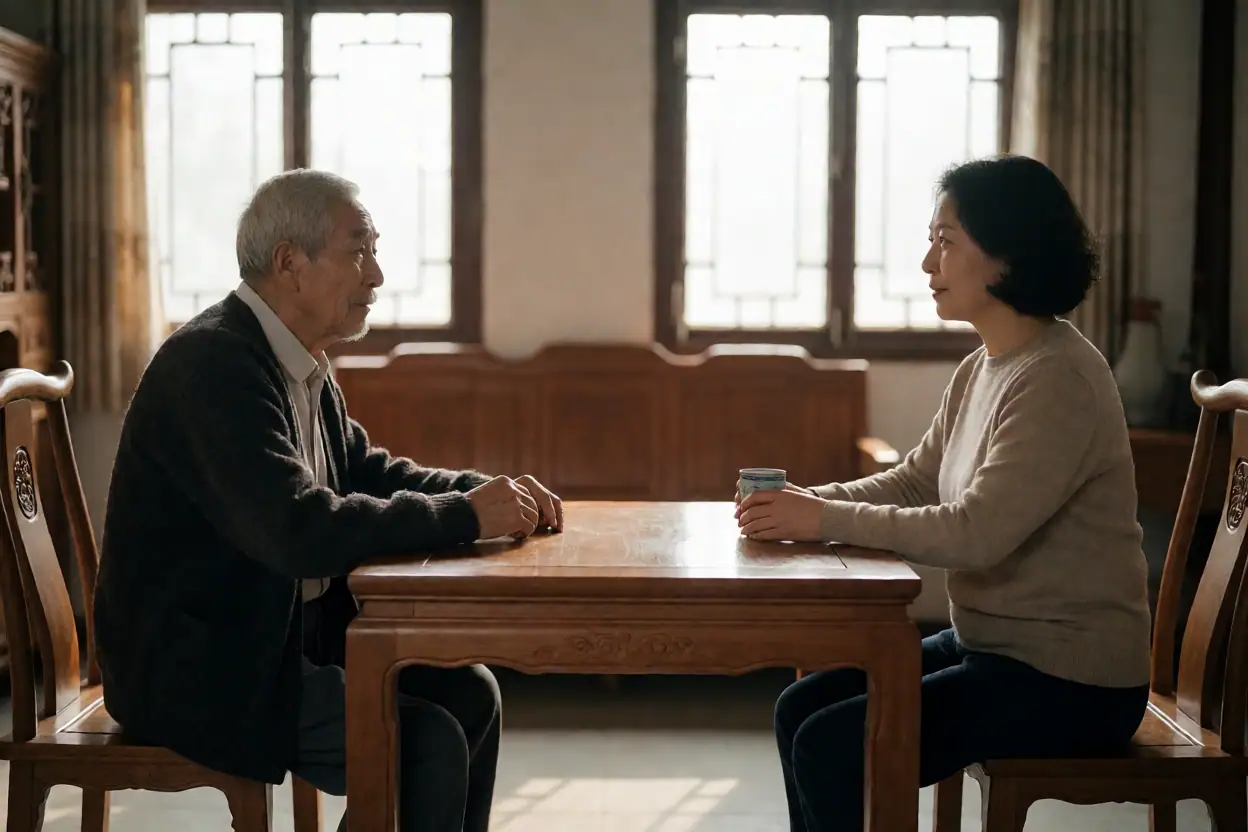
In Zhujiacun by Shijiu Lake, the Zhu Clan Ancestral Hall is a surviving site that embodies both clan memory and distinctive local architectural features. Existing accounts indicate that the hall generally follows a three-courtyard layout extending from front to back. Its dignified architectural form, wood carvings, structural frames, and decorative elements retain a pronounced Hui-style character. The third courtyard is known as Dunxu Hall and primarily served ancestral worship functions; the first two courtyards were associated with clan activities, rituals, and public affairs. This spatial arrangement reflects the traditional ancestral hall’s combined roles as a place for worship, deliberation, and cultural activities.
The entrance hall of the first courtyard is connected to the stage, a relatively uncommon combined layout. According to related recollections, ladders had to be installed separately to access the upper and lower levels of the stage, indicating its distinctive use as a building. Local residents also recalled that the ancestral hall was preserved because the stage hosted public cultural and performing-arts activities. Such oral accounts offer clues for understanding the building’s preservation, but they should also be cross-referenced with the surviving structures, local archives, and records from the same period; the full historical process cannot be established from recollections alone.
According to the materials currently available, the Zhu Clan Ancestral Hall underwent renovation in the 16th year of the Republic of China, namely 1927, after which its overall layout was largely maintained. The third courtyard, Dunxu Hall, was repaired and conserved again in 2009. The specific scope of the work, funding structure, and construction records can still be further confirmed through heritage registrations, repair archives, inscribed dedications, and village surveys. The plaques of the ancestral hall and some of the interior inscriptions are said to have been written by local members of the Zhu surname. This information may serve as a clue for studying the village’s cultural transmission, but the identities of the individuals and the dates of the works should be determined from physical inscriptions and relevant archives.

Regarding the Zhu clan’s migration, the materials state that an ancestral branch moved from Gaochun to the area at the foot of Fengshan, near Shijiu Lake, around 1333, and that the local Zhu clan has continued for more than thirty generations. This claim involves a specific period, place of origin, and length of lineage, and should be compared item by item with Zhu clan genealogies, epitaphs, ancestral-hall inscriptions, and local gazetteers. Sharing the same surname does not necessarily indicate the same lineage branch. Zhu clans in different regions may have multiple lines of origin, and lineages cannot be merged directly based solely on a shared surname, hall name, or place of residence.
The fishing tradition around Shijiu Lake also forms an important part of Zhujiacun’s local memory. As a public space for the clan, the ancestral hall both embodied ancestral rites and witnessed changes in village social life. Research into this Zhu clan branch may begin with surname databases to identify clues concerning variant characters, commanderies of origin, and hall names, and then cross-reference lineage records in online genealogies with family memoirs, ancestral-root interviews, and administrative histories in local gazetteer databases. Only when corresponding evidence exists for the people, dates, places, and relationships among lineage branches can relatively well-grounded judgments be made about migration routes and ancestral succession.
Learn More and Verify
- Huaining Leibu Hao Ancestral Hall: Architectural Remains and Family Memory
- Pingshan Village Wei Clan Grand Ancestral Hall: Surviving Hall and Family Memory
- Wei Clan Ancestral Hall in Zhongshan, Wuping: Historic Architecture and Family Memory
- Family Memory of the Di Clan Ancestral Hall and Dongye Hall in Liyang
Genealogy Knowledge and Methods for Compiling Genealogies · Finding Genealogies and Local Gazetteers · Organize family-root-seeking leads