The Wei Clan’s Power Behind the Longshan Campaign and an Examination of Liu History
Liu Xiu of the Eastern Han made repeated attempts to attack Longshan but was obstructed. Terrain, climate, and Wei Xiao’s administration of Longxi together constituted important factors. The Wei clan’s organizational capacity and influence in local society also supported this prolonged confrontation. Relevant surname research should still be assessed cautiously by consulting historical texts, genealogies, and local gazetteers.
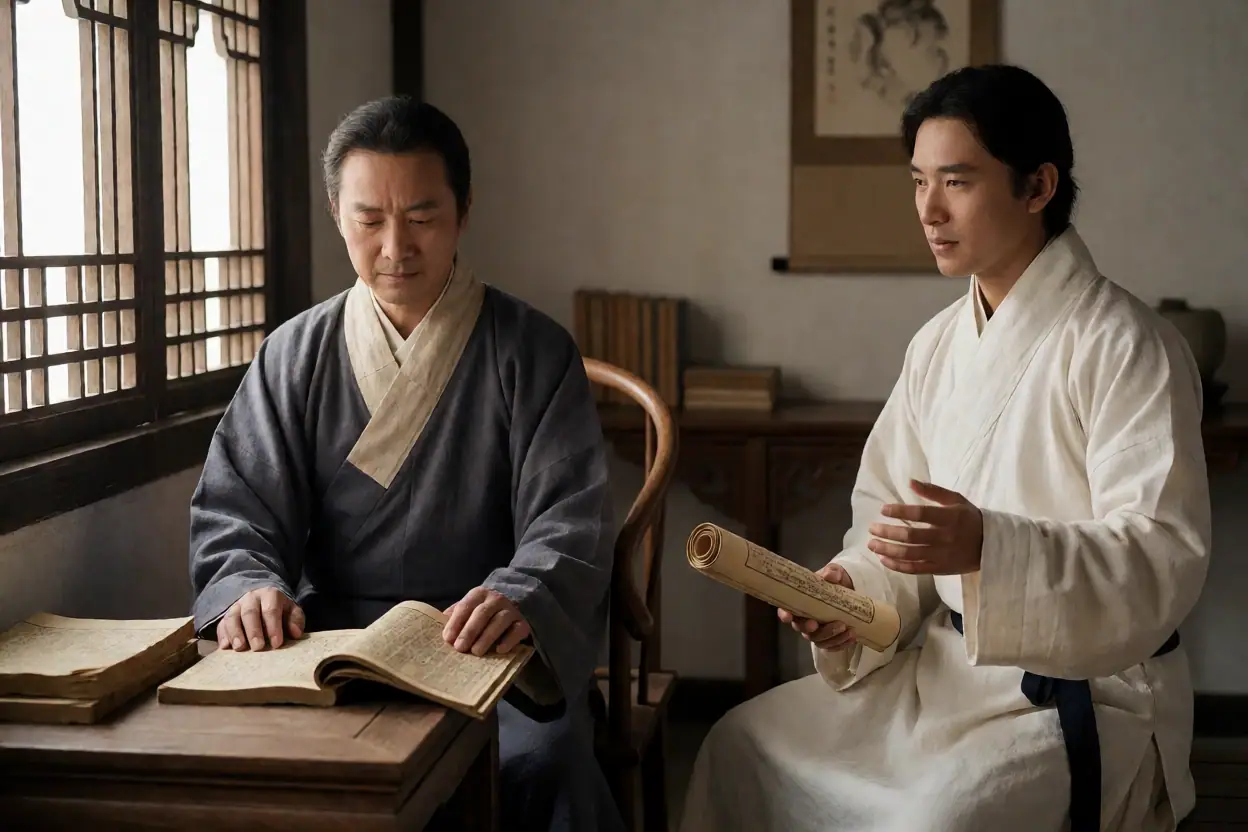
During the Jianwu era of the Eastern Han, Liu Xiu launched military campaigns several times toward Longshan and Longxi. Later discussions of this period have often focused on the region’s formidable terrain and the repeated shifts in the fighting. Viewed from the perspective of local social structures, however, the Wei clan’s long-established prestige, resources, and organizational capacity in the Longxi area were likewise factors that should not be overlooked.
Longshan lay roughly along a key transportation corridor from the Guanzhong region to Longxi. Its terrain, climate, and road conditions all increased the difficulty of an attack. The periods suitable for large-scale military operations were limited, and the number of mountain routes was also relatively small. For an army advancing from east to west, it was necessary not only to overcome the difficulties of attacking uphill and marching through the terrain, but also to secure the transport of provisions. The side familiar with the local topography, by contrast, could more readily rely on passes, fortified settlements, and transportation hubs to mount a defense. Accordingly, Liu Xiu’s attacks on Longshan were not simply contests of military strength, but a comprehensive competition involving geography, supplies, and local control.
The role of Wei Xiao and his family was first reflected in the mobilization capacity of a powerful local clan. Relevant historical records indicate that by the end of the Xin dynasty, the Wei clan was already an influential family in the Tianshui area. Its relatives and local allies had participated in organizing armed forces and controlling territory, and had formed a relatively independent local power amid political disorder. Wei Xiao was later able to establish himself in Longxi not only because of his personal prestige and political choices, but also because of the interpersonal networks, land resources, and social influence that his family had cultivated locally over many years.
Second, the Wei clan represented not merely a surname group, but also a set of power relationships operating through local elites, their followers, and urban settlements. In the face of attacks by Eastern Han forces, local powers could provide personnel, provisions, intelligence, and information about roads, while using their familiarity with the mountainous environment to strengthen their defenses. From this perspective, the role of members of the Wei clan in the conflict is better understood as an important pillar of the local regime and social network, rather than being simply summarized as one branch of the clan directly determining the outcome of a battle.
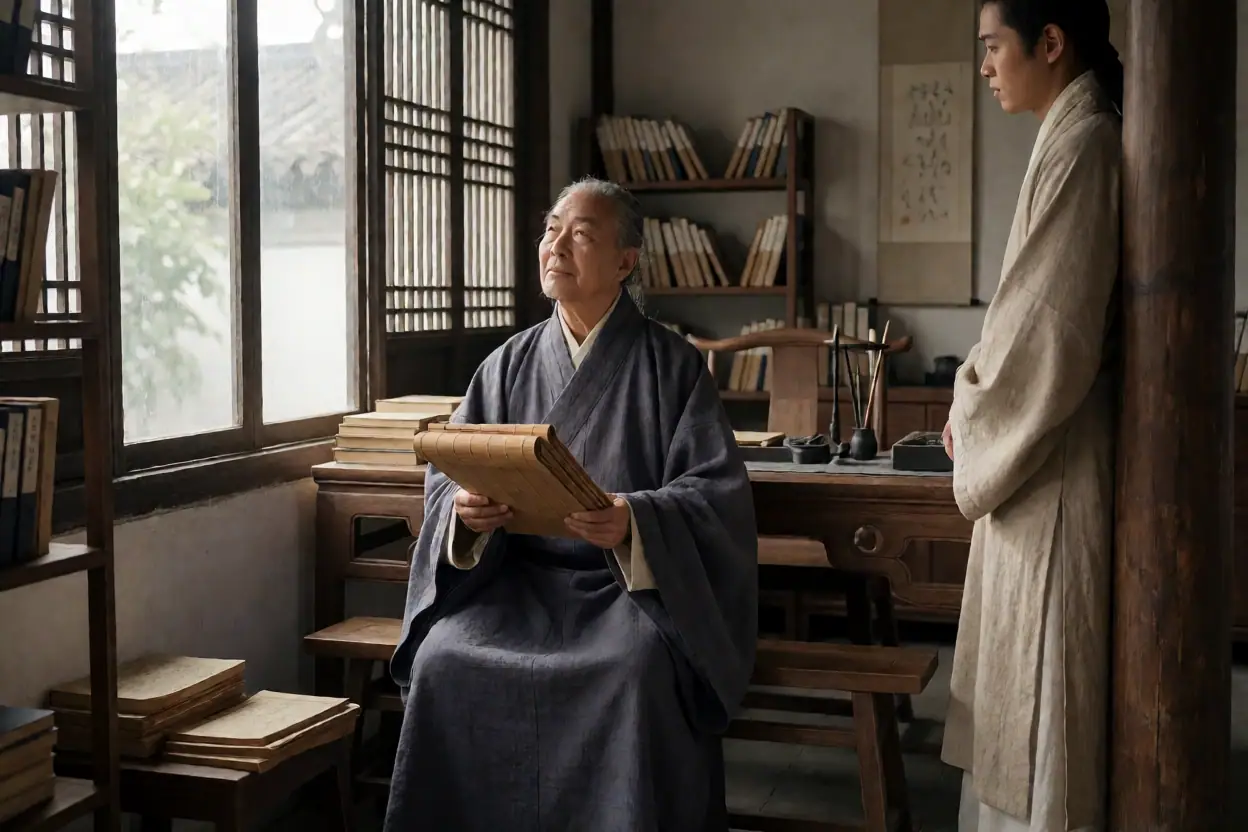
Historical figures and surname origins, however, need to be discussed separately. Wei Xiao’s activities belong to the political and military history of the early Eastern Han, whereas the Liu surname has a large population and complex origins. Liu surname materials commonly mention lineage halls such as Pengcheng Hall, as well as commandery-origin designations including Pengcheng, Zhongshan, and Peiguo. They also contain differing accounts concerning origins such as Liu Lei and relatives of the Han imperial house. These materials may serve as clues to surname culture and family memory, but cannot be used to conclude that all Liu families descended from the same branch.
When researching an individual’s family history, surname materials, online genealogies, family memoirs, and local gazetteers should also be consulted against one another. Founding migrants, lineage-hall names, generational names, and place names associated with migration in genealogical records need to be checked against gravestones, contracts, local histories, and other historical records. Oral family accounts can supplement information about people’s experiences, but may also contain chronological displacements or the merging of branches. Only when multiple types of material corroborate one another is it appropriate to make relatively well-founded judgments about ancestors’ identities, migration routes, and the continuity of genealogical succession.