From Dongxing to Wumen: The Migration and Examination Memories of a Branch of the Miao Clan
Existing accounts connect the migration, branch formation, and imperial examination tradition of a Miao clan branch in Jiangnan, with the Wumen Miao clan’s “Ten Jinshi on the Rolls Across Generations” serving as an important family memory. The relevant ancestral origins, genealogical lineages, and biographies still require item-by-item verification against clan genealogies, local gazetteers, and imperial examination records.
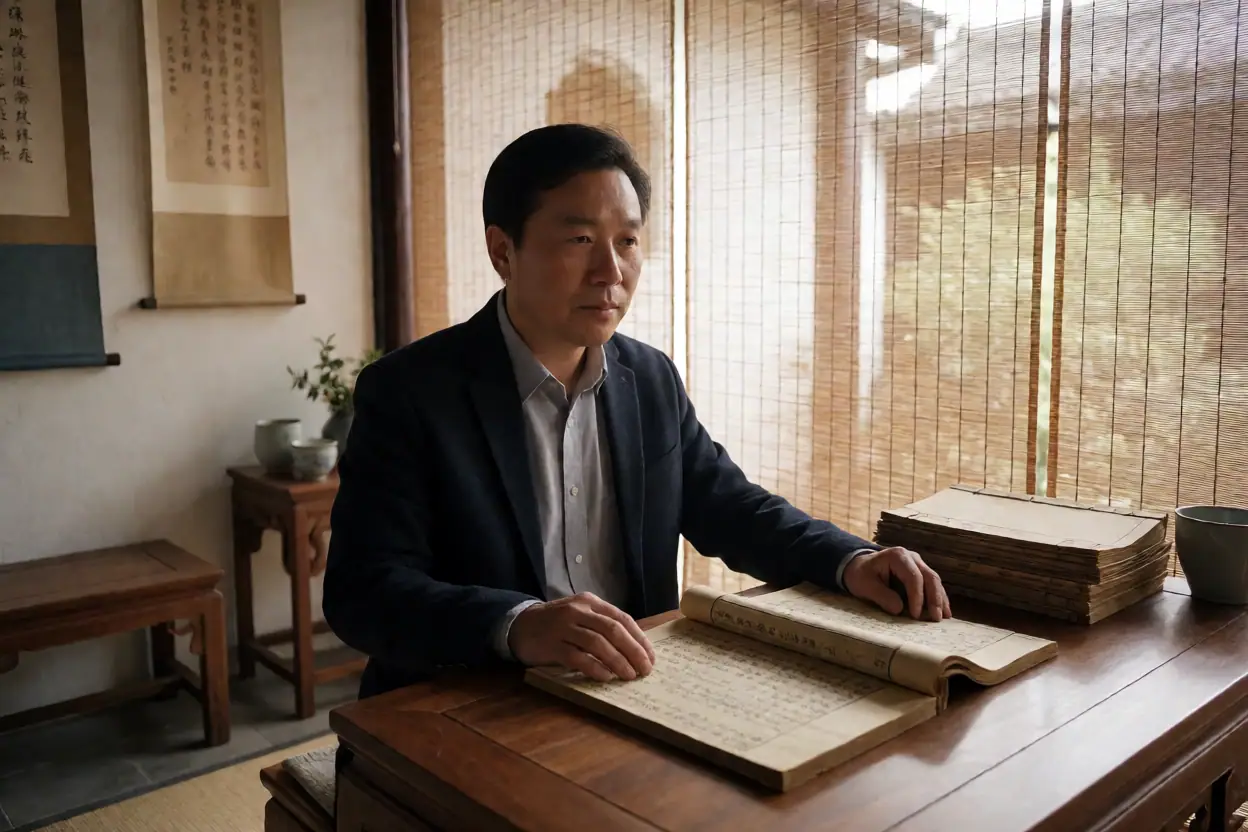
The historical culture of the Miao surname encompasses several layers, including origin traditions, commandery-seat memories, local branches, and notable family figures. One widely circulated account holds that the Miao clan was connected to Duke Mu of Qin during the Spring and Autumn period. Because “Mu” and “Miao” were interchangeable or variant written forms in ancient times, some of his descendants are said to have adopted his posthumous title as their surname. Other materials identify Lanling as an important commandery seat of the Miao clan. However, surnames often have more than one origin, and same-surname groups in later generations may also have formed in different periods and regions. The accounts above should therefore be treated only as leads for further investigation and cannot be used to conclude that all Miao clans in different regions descended from a single ancestor.
One family narrative concerning the Jiangnan Miao clan states that, during the warfare at the end of the Yuan dynasty, Miao Quanyi moved with his family from Xiaoshanqiao in Changshu to Dongxingli, Bailu Township, Jiangyin County. The area is thought to correspond roughly to present-day Qigan Village, Yangshe Town, Zhangjiagang, Jiangsu, after which this branch came to be distinguished as the “Dongxing Miao clan.” Related accounts further state that over several hundred years during the Ming and Qing dynasties, his descendants gradually dispersed throughout Jiangnan, forming five branches: Kanzhuang, Wumen, Jiangcheng, Zhouzhuang, and Zhanwenqiao. The timing of the migrations, changes in place names, founding figures of each branch, and genealogical relationships among them should still be cross-checked against early genealogical prefaces, branch genealogies, epitaphs, contracts, and local gazetteers.
Within this branch narrative, the Wumen branch has attracted attention because of its many imperial examination figures. Miao Guowei is recorded as a ninth-generation member of the branch, with the courtesy name Sibei. In the twenty-ninth year of the Wanli reign of the Ming dynasty, that is, 1601, he earned the jinshi degree. He subsequently served in positions including Erudite of the Imperial Academy, Director in the Ministry of Works, and Assistant Surveillance Commissioner of Shandong. Family histories describe him as an important founder of the Wumen Miao clan’s imperial examination tradition and state that ten jinshi degree holders later appeared in the same branch, giving rise to the family memory known as “Ten Jinshi on the Rolls Across Generations.” Other records mention that his eldest son, Miao Huiyuan, earned the jinshi degree in the fourth year of the Shunzhi reign of the Qing dynasty, that is, 1647, and once served as magistrate of Shouyang County, Shanxi. These official appointments, the father-son relationship, and the number of jinshi degree holders can be further checked against examination registers, career records, prefectural and county gazetteers, and original clan genealogies.
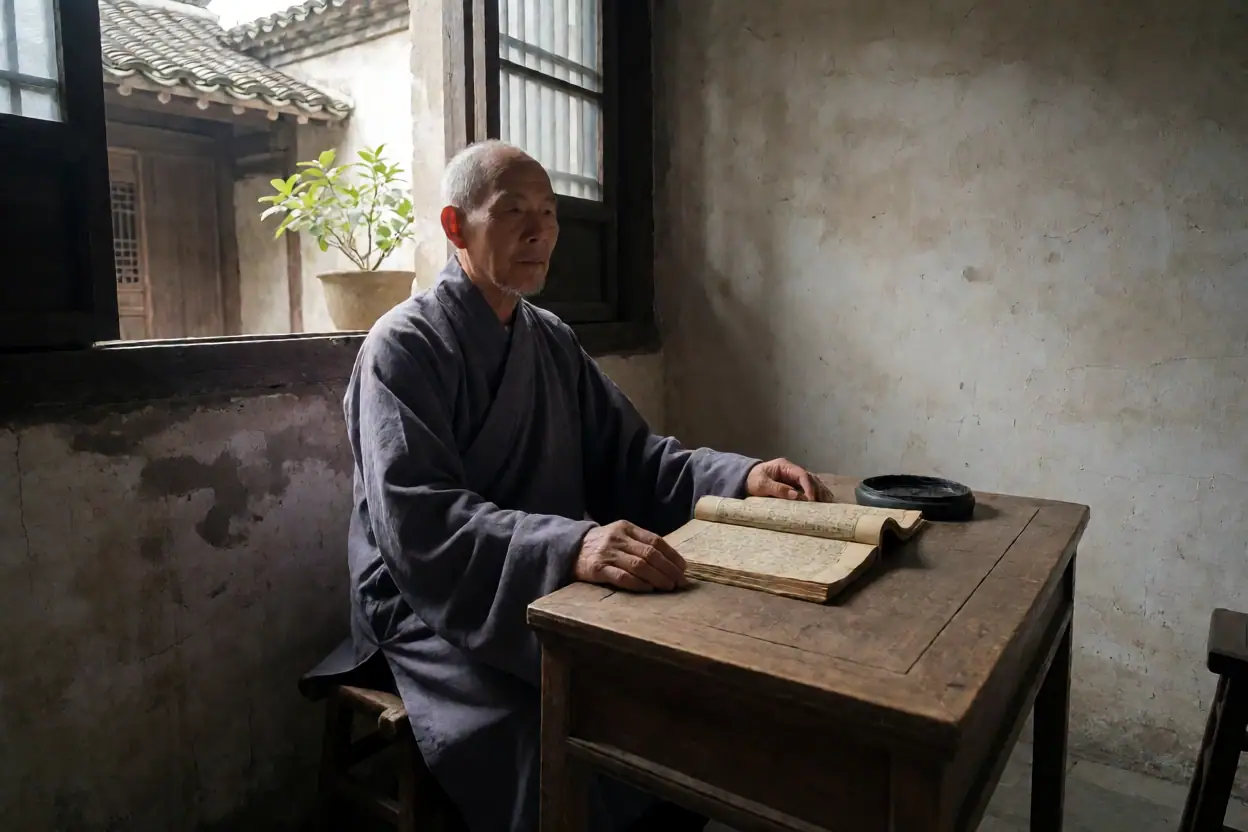
When organizing this type of family history, begin by distinguishing origin traditions, commandery seats, and local branches in surname-related materials. Then use online genealogies to create a catalog organized by genealogy title, founding ancestor, ancestral hall name, places of settlement, and compilation date. Family memoirs are suitable for preserving elders’ oral accounts, clues concerning old residences and tombs, ancestral rites, and memories of migration, but the narrator, recording date, and level of information should be noted. In the course of ancestral research, village names, figures, and official positions recorded in genealogies can also be compared with administrative histories, examination records, and biographical sections in local gazetteer databases.
Particular care is needed because sharing an ancestral hall name, having similar generation names, or simply bearing the Miao surname is not sufficient to establish membership in the same lineage. Only when continuous genealogical lines, migration points, spousal relationships, burial information, and multiple sources mutually support one another is it appropriate to reach a relatively well-grounded judgment about a branch lineage. For generations that cannot currently be connected, preserving the gap and listing alternative accounts is more conducive to future genealogy compilation and family research than forcing a connection.