A Look at the Organization of Liu Clan Materials Through the Third Volume of the Munhwa Liu Clan Genealogy
Existing records for the third volume of the Munhwa Liu Clan Genealogy indicate that it forms part of the Liu clan genealogical records and is marked as containing 207 pages. Its compilation period, compilers, regional branches, and specific lineage sequence still require further verification against the original genealogy pages, local gazetteers, and family documents.
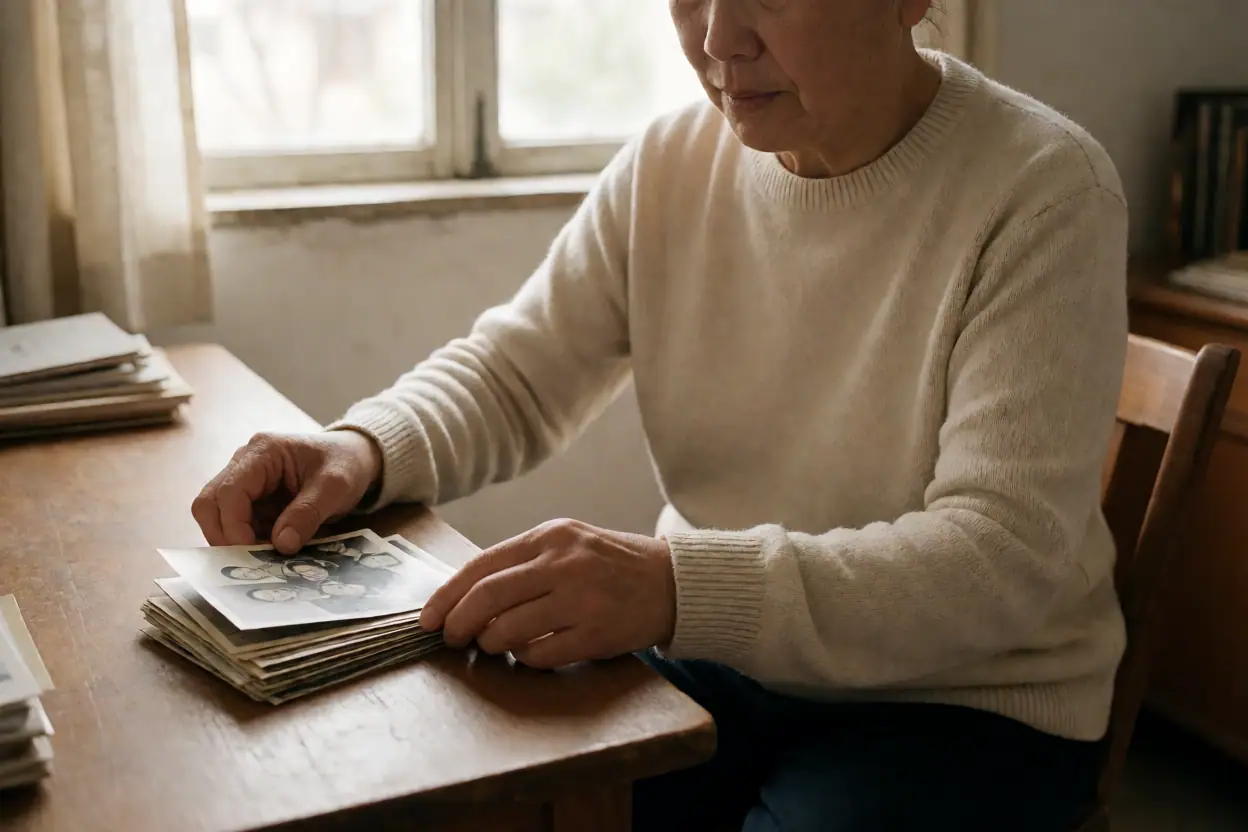
The third volume of the Munhwa Liu Clan Genealogy is a set of genealogical records compiled around the Liu clan. Existing information indicates that this volume is marked as the third book of the complete genealogy and contains 207 pages, with access available online. Based solely on its title and volume number, it can be confirmed that it is likely one of a relatively complete set of Liu genealogical records. However, this information alone is not sufficient to determine the compilation period, place of publication, compilers, or the specific division of responsibilities among the volumes.
Genealogies typically cover topics such as the founding ancestor of a branch, lineage succession, branch distribution, ancestral halls and burial grounds, generation names and rankings, and family members. However, the scope of records varies from one edition to another, and the same surname may have multiple origins and several unrelated branches. Therefore, members of the Liu surname cannot be identified as belonging to the same lineage solely on the basis of their shared surname. A hall name, commandery designation, or matching generation name can serve only as a clue and cannot, by itself, provide sufficient grounds for determining lineage.
When studying these genealogical records, the first step should be to examine the opening pages, preface, editorial notes, table of contents, and notes on the genealogy's compilation, in order to confirm the compilation background and the scope of the materials. Next, each page should be reviewed for lineage charts, biographical entries, migration accounts, and information on branch divisions and household groupings, with attention to whether personal names, place names, dates, and family relationships are consistent throughout. If the genealogy uses terms such as “first ancestor,” “founding ancestor,” or “ancestor who migrated from [a certain place],” the scope represented by each term should be further analyzed to avoid mistaking the ancestor of one household branch or locality for the common ancestor of all Liu clansmen.

Research into the origins of the Liu clan can cross-reference genealogical records with online family trees, family memoirs, local gazetteers, and materials such as tombstones, ancestral halls, and contracts. Local gazetteers can help verify changes in place names, the establishment of villages, and the activities of individuals, while family memoirs may preserve oral information about migration routes, places of residence, and branch designations. However, memoir materials have often been edited by later generations and still need to be corroborated with documents whose dates are relatively clear. Generation names and hall names should likewise first be assigned to their respective branches and then matched with specific ancestral homes and lineage milestones.
The publicly available information on the third volume of the Munhwa Liu Clan Genealogy currently confirms mainly its title, volume number, and page count, and is not yet sufficient to reconstruct the complete succession of any particular Liu branch. If the opening pages, table of contents, prefaces and postscripts, and key lineage pages can subsequently be obtained, it will be possible to further organize the genealogy's compilation history, principal branches, migration patterns, and use of generation names, and to collate them with relevant local gazetteers and other editions of the genealogy. Research conclusions should clearly distinguish between material recorded in the genealogy, inferences made by later generations, and matters awaiting verification, in order to maintain accuracy in accounts of family history.
Learn More and Verify
- A Method for Assessing Liu Clan Genealogical Materials Through the Pungsan Liu Clan Genealogy
- Examining and Verifying Family Memory Through a Liu Family Genealogy
- From Printed Genealogies to Online Family Trees: Methods for Organizing and Compiling Family Materials
- Collation of Xian Clan Literary Materials and Textual Research on Family Documents
Genealogy Knowledge and Methods for Compiling Genealogies · Finding Genealogies and Local Gazetteers · Organize family-root-seeking leads