What Ankang Ran Clan Ancestor Worship and Genealogy-Revision Activities Reveal About Organizing Family Memory
A family activity record indicates that members of the Ran clan from several areas of Ankang once held an ancestor-worship ceremony, commemorative events, and a genealogy-revision gathering in Ranbian Village, Wuli Town, Hanbin District. The information offers clues for studying the family memory of the local Ran clan, but the title of the founding ancestor, dates, and specific lineages still require verification against genealogies, inscriptions, and local gazetteers.
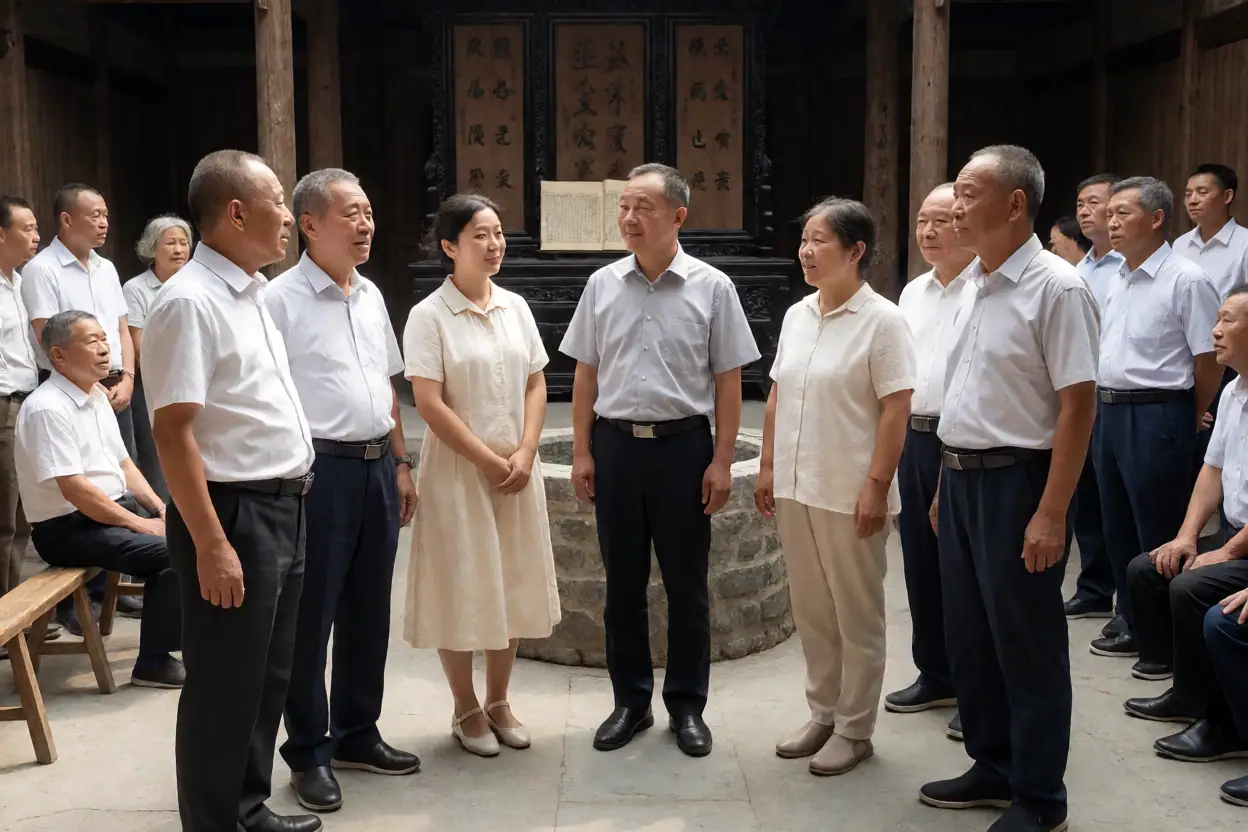
According to the available activity records, on July 5, 2020, corresponding to the 15th day of the fifth lunar month, members of the Ran clan from several areas under the jurisdiction of Ankang gathered in Ranbian Village, Wuli Town, Hanbin District, Ankang, to participate in ancestor worship, commemorations, reports on individuals' deeds, and a genealogy-revision fellowship gathering. The record states that more than five hundred people attended, including local elders, members returning from elsewhere, married daughters, and relatives by marriage. The number of participants, the composition of the group, and the details of the activities currently appear mainly in a single account and should be further corroborated through sign-in registers, audiovisual materials, meeting documents, and other sources.
One of the main purposes of the event was to commemorate the 420th anniversary of the birth of Ran Degong, described as the “founding ancestor who entered Ankang.” It also honored Ran Benyi, who died fighting floods, and introduced the anti-epidemic efforts of Ran Renyu. By bringing together ancestor worship, memories of contemporary figures, and communication among clan relatives, these activities show that in revising genealogies, local families focus not only on lineages but also on preserving the experiences of modern and contemporary family members who participated in public affairs. However, the existing text also refers to a “founding ancestor who entered Qi,” which is inconsistent with the expression “founding ancestor who entered Ankang.” It is not yet possible to determine whether this is a typographical error, a reference to a different stage of migration, or a designation used by a different branch.
The record also notes that the event was proposed by local members involved in Ran-clan cultural fellowship activities and organized with the participation of relevant personnel from Ranbian Village and several younger members. The names involved may serve as leads for locating meeting documents and oral-history materials, but the fact that people of the Ran surname participated in the same event is not, by itself, sufficient to establish that they all belonged to the same branch or shared the same lineage. Sharing a surname does not mean sharing the same ancestry; even where people live near one another, their time of migration, founding migrant ancestor, and generation-name system may differ.
To advance research on the genealogies of Ranbian Village and the Ankang Ran clan on this basis, researchers could first collect old genealogies, prefaces to genealogies, tomb inscriptions, spirit tablets, contracts, household-register records, and sacrificial registers, and then cross-check them against records in county, town, village, and other local gazetteers. The identity of “Ran Degong” and the date of the clan's migration into Ankang should be checked especially against the earliest surviving original records, distinguishing among the year commemorated as a birth anniversary, the date of migration, and the date of genealogy revision. The “420th anniversary” cited for the event may help estimate the range of dates to be investigated, but it cannot directly substitute for documentary evidence of a birth year.
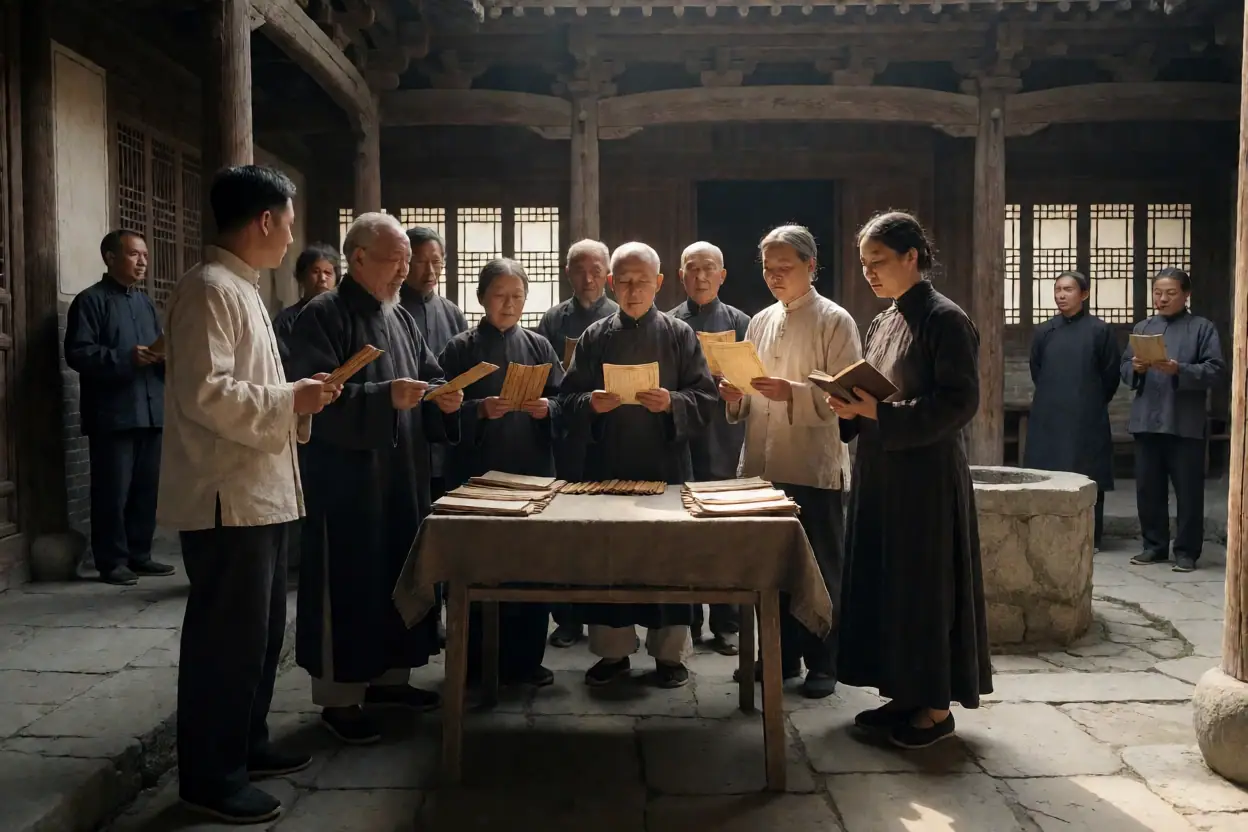
Online genealogies are suitable for entering verified names, birth-order rankings, parent-child relationships, and places of residence, while noting the basis and review status for fields that remain uncertain. A surname database can help provide an overview of the history of the Ran surname, but it should not be applied directly to a specific branch in Ankang. Family memoirs can preserve elders' accounts of migration, marriage, work and daily life, and disaster relief, while also recording the narrator, interview date, and materials available for corroboration. Only by combining these materials with local gazetteer databases can a family archive gradually be established that has clear evidentiary support, distinguishes among branches, and can readily be continued by future generations.
The core value of this gathering lies in turning ancestor-worship rituals into an opportunity to collect genealogical materials and preserve family memory. Future efforts to trace ancestral roots could begin with the clearly identified location of Ranbian Village, creating separate records by household, branch, and migration route. Relationships among ancestors that cannot be confirmed should be left open for further inquiry, avoiding the premature merging of lineages on the basis of a shared surname, hall name, or orally transmitted designation.
Learn More and Verify
- Qiaojia, Yunnan: Qingming Tomb-Sweeping and the Organization of Ran Family Memories
- Shaohuitang Liu Clan Genealogy, Volume Six: Exploring Family Memory Through Clues in the Volumes
- The Jing Clan’s Local Lineage Activities and Genealogical Memory Organization
- Yihuang, Jiangxi Hu Clan Ancestral Hall: An Ancestral Hall and Local Family Memory
Genealogy Knowledge and Methods for Compiling Genealogies · Finding Genealogies and Local Gazetteers · Organize family-root-seeking leads