Emperor Gong of Jin, Sima Dewen: His Life and Fate Around the Fall of the Eastern Jin
Sima Dewen was the second son of Emperor Xiaowu of Jin and the last emperor of the Eastern Jin. His life saw service as an imperial clansman, loss of power amid internal turmoil, restoration and accession to the throne, and abdication into retirement; he was ultimately killed after Liu Yu established the Liu Song. The specific course of events should still be assessed carefully in light of official histories, local gazetteers, and genealogical materials.
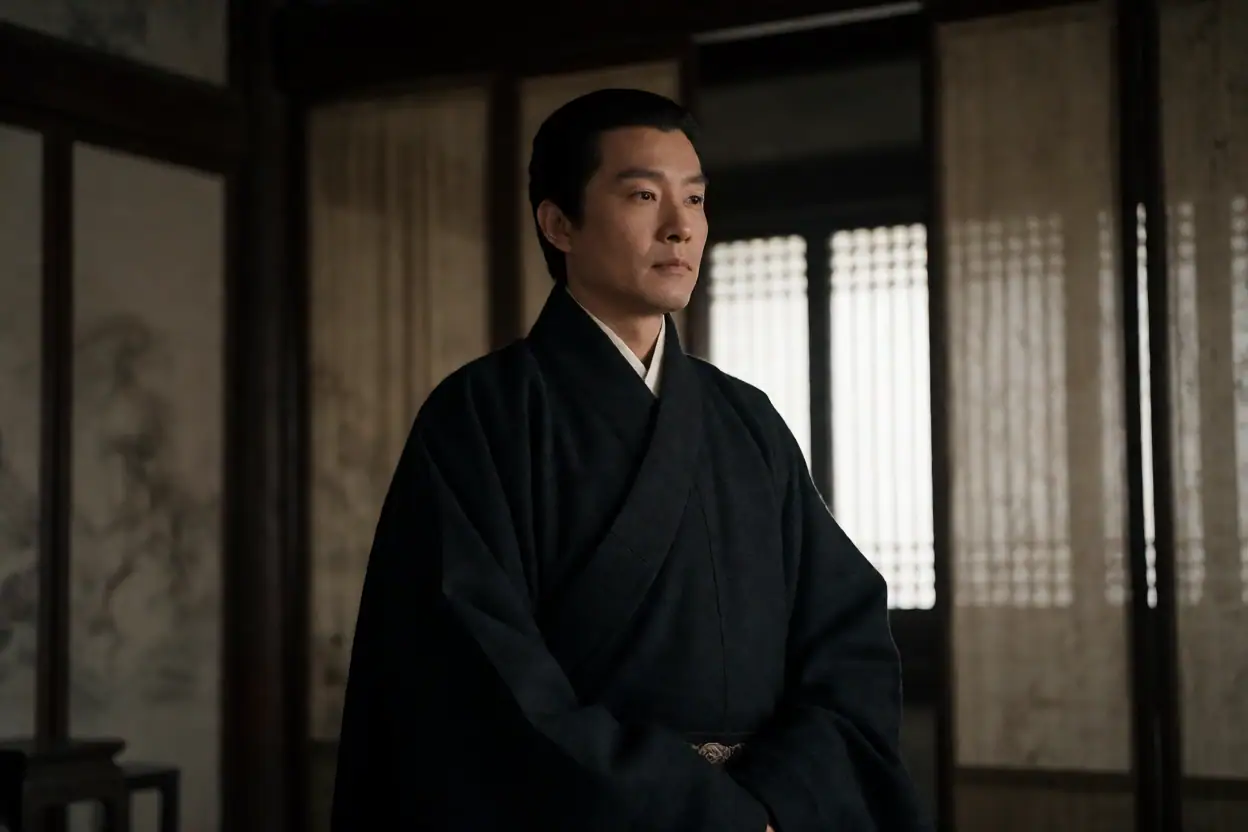
Sima Dewen, courtesy name Dewen, was the second son of Sima Yao, Emperor Xiaowu of Jin, and the younger brother of Sima Dezong, Emperor An of Jin. Compared with his elder brother, he was more active in political and military affairs. In his early years he was enfeoffed as Prince of Langya, and later held posts including General of the Central Army, General of the Guards, Palace Attendant, Minister over the Masses, and General-in-Chief of Chariots and Cavalry. Because the political situation in the late Eastern Jin was turbulent, members of the imperial clan were often pushed to the front lines of power struggles, and Sima Dewen’s official career was therefore closely tied to internal unrest at court.
During the Long’an years, mutinies broke out successively in places such as Yanzhou and Yuzhou, and forces from Jingzhou and Guangzhou also became involved. Sima Dewen was ordered to take part in suppressing the unrest, but was unable to turn the situation around. After Huan Xuan took control of Jiankang and established Huan Chu, Emperor An of Jin was demoted to Prince of Pinggu, while Sima Dewen was demoted to Duke of Shiyang County; for a time, the two brothers left Jiankang. Later, Liu Yu raised troops and defeated Huan Xuan, Emperor An of Jin was restored to the throne, and Sima Dewen also returned to the center of imperial-clan power.
However, the fall of Huan Xuan did not restore stability to the Eastern Jin. After Liu Yu took control of military and political power, the court’s imperial authority gradually became hollow in name. After Emperor An of Jin died, Sima Dewen ascended the throne at the end of the Yixi period, becoming the last emperor of the Eastern Jin, commonly known as Emperor Gong of Jin. His accession at this time was more like one stage in a transfer of power; those who truly determined the direction of court politics were already Liu Yu and his supporters. In the second year of Yuanxi, Sima Dewen was forced to abdicate, bringing the Eastern Jin’s dynastic line to an end, and Liu Yu subsequently established the Liu Song.
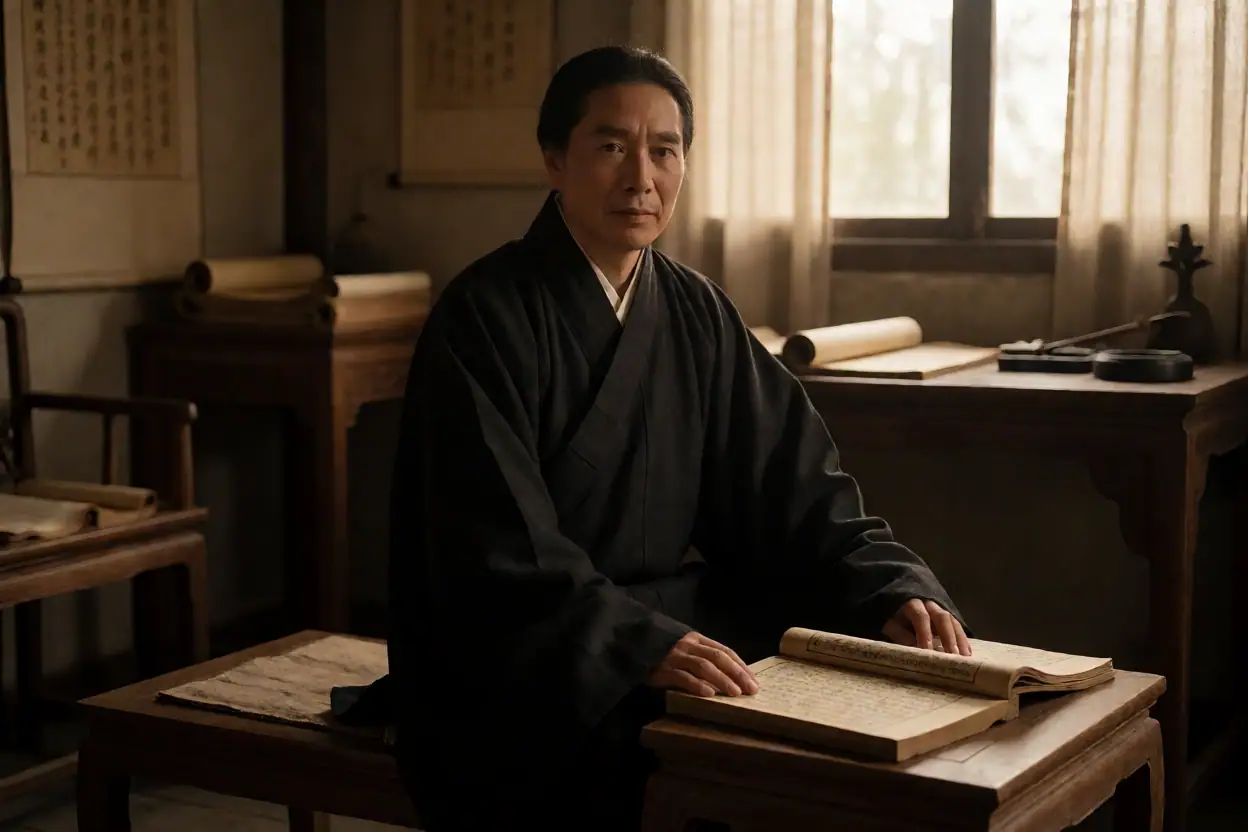
After his abdication, Sima Dewen lived in the Langya Prince’s residence, his status changing from emperor to imperial clansman of the former dynasty. As for his final fate, the relevant historical sources mostly record that Liu Yu’s faction took action to eliminate the Sima clan’s potential influence, and Sima Dewen was ultimately killed. Popular accounts also often include details such as his Buddhist faith and his unwillingness to end his life by taking poison, but the specific circumstances should be compared against official histories such as the Book of Jin, and later rumors should not be treated directly as confirmed facts.
From the perspective of family history, Sima Dewen’s experience also reminds us that a surname, imperial-clan status, and a specific branch lineage cannot simply be equated. When studying figures of the Sima clan, the imperial line, chronology, and official posts recorded in official histories should be checked separately against place names, tombs, and legends found in online genealogies, family memoirs, and local gazetteers. Genealogical materials can help trace later branches and migration clues, but they may not directly prove the existence of a continuous and reliable lineage relationship between a particular branch and the Jin imperial clan. In ancestral research, attention must also be paid to cases such as different lineages sharing the same surname, surname changes and household registration, and later attributions; only when multiple types of materials can corroborate one another are the relevant judgments more secure.
Learn More and Verify
- The alumni sentiment and family memories behind a donation
- The Wei Clan’s Power Behind the Longshan Campaign and a Historical Examination of the Liu Clan
- The Education of the Princes and Maternal-Family Clues Behind the Xianfeng Emperor’s Accession
- The Si Surname and the Compound Surname Sima: Records of Historical Figures and Analysis of Clan Lineages
Genealogy Knowledge and Methods for Compiling Genealogies · Finding Genealogies and Local Gazetteers · Organize family-root-seeking leads