The Documentary Value and Genealogical Research Pathways of Rare Huizhou Genealogies
These facsimiles and catalog records of Huizhou genealogies bring together clues concerning genealogical editions, compilation, collection, and transmission. Through close reading of genealogies, comparison with surname resources, online genealogy searches, and cross-checking against local gazetteers, they can provide relatively solid leads for research on Huizhou family history and regional society.
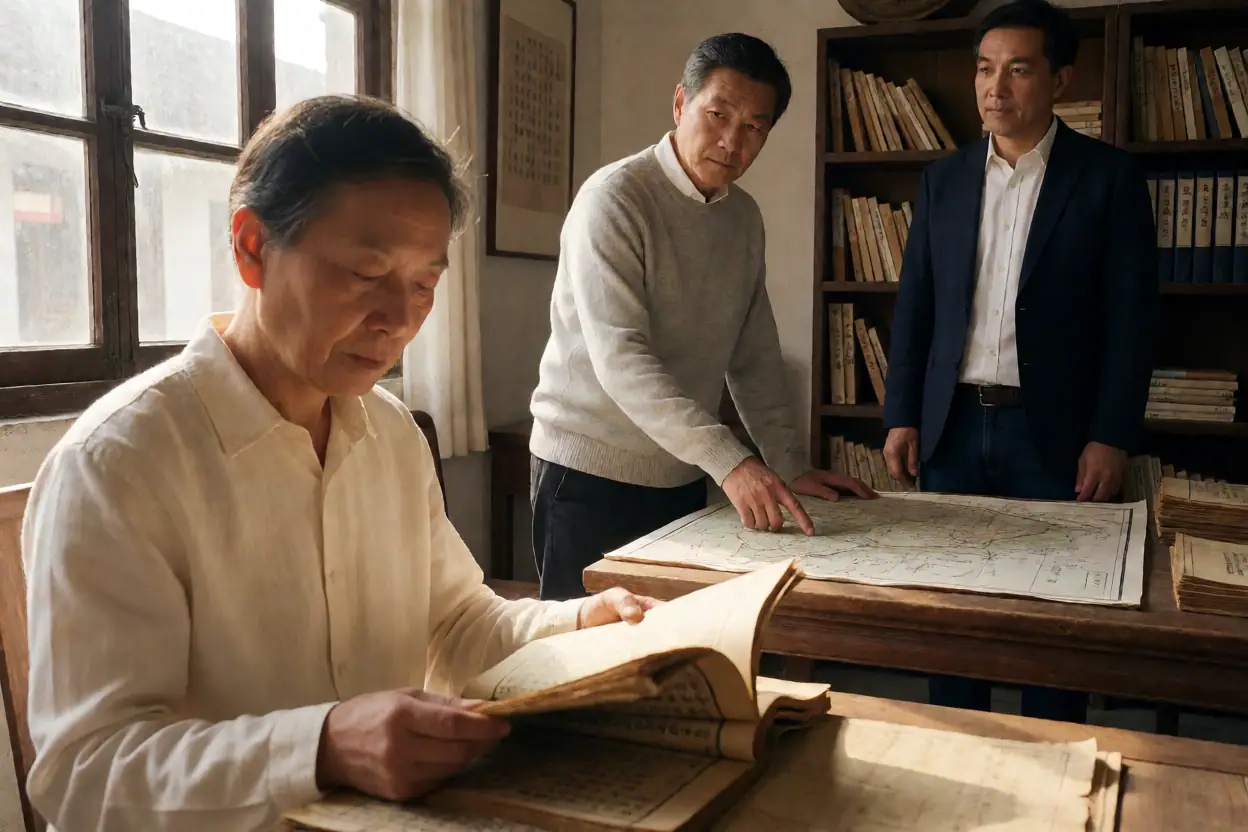
Huizhou genealogies are important sources for studying Huizhou lineages, local society, and the transmission of traditional texts. The relevant thematic resources bring together rare Huizhou genealogies held by the National Library of China, covering 243 titles and 286 editions, and present them through a combination of textual catalog records and book images. The materials not only make it easier to locate titles, numbers of volumes, compilers, and collection information, but also provide an entry point for further checking editions, distinguishing branches, and tracing the transmission of texts.
The value of this body of materials lies first in the relatively detailed scope of its catalog records. In addition to basic bibliographic information, the records cover genealogical conventions, format, taboo characters, engraving, prefaces and postscripts, illustrations and tables, literary works, seals, binding, collation notes, and physical condition. Some book images also identify the photographed sections and their correspondence with the catalog entries, allowing researchers to compare the text, marks, and layout features in the images with the catalog descriptions. This attention to edition details is particularly important for genealogies that have been revised, re-carved, supplemented, or divided among collections.
From the perspective of family research, information in genealogies about the first ancestor to migrate, lineages, places of residence, ancestral-shrine property, biographies, and generation names can help researchers formulate preliminary hypotheses about migration and the development of branches. However, genealogies were often compiled within families, and their purposes, dates of compilation, and preservation conditions vary. The ancestors identified in a book as founding ancestors, remote ancestors, or members of a prestigious commandery affiliation cannot be directly equated with historical conclusions that have already been verified. Sharing a surname does not mean sharing the same lineage; determining whether particular branches have a blood relationship still requires comparison with different editions of genealogies, epitaphs, clan regulations, contracts, local gazetteers, and other historical documents.
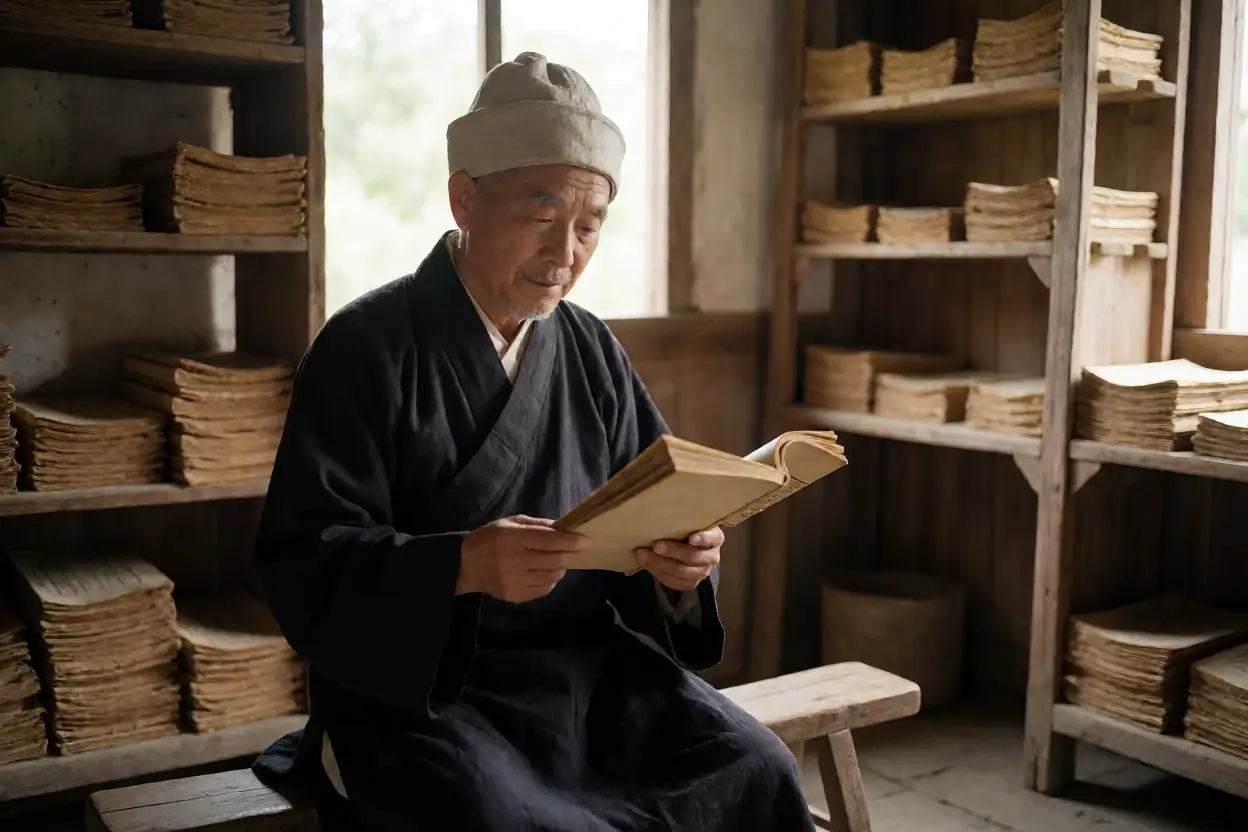
When tracing one's roots, one can begin by consulting surname databases to learn about surname distribution, variant forms, ancestral hall names, and known documentary leads, and then use online genealogy searches to locate specific genealogies, place names, and individuals. Family memoirs are suitable for preserving memories of migration, marriage, occupations, and oral accounts from the modern and contemporary periods, but oral material should still, wherever possible, be corroborated through household registers, inscriptions, tombs, newspapers or periodicals, and local archives. Local gazetteers can be used to verify administrative changes, village names, ancestral shrines and temples, biographical accounts, and the background of disasters and unrest, thereby avoiding the inference of a complete lineage from a single genealogy alone.
Regarding the “Hui” surname, existing surname resources indicate that it is included within the relevant surname materials, but details such as its origin, prestigious commandery affiliation, ancestral hall names, generation names, and migration areas still require further supplementation and verification. When searching Huizhou genealogies, one should first confirm the specific form of the surname used in the genealogy, the ancestral residence, the place of migration, and the dates, and then determine whether these can be meaningfully compared with the “Hui” surname resources. Only when the original genealogical text, local documents, and other family materials corroborate one another can the transmission of a particular branch be discussed with a reasonable degree of confidence.