Naming Boys with the Zhao Surname: A Comprehensive Consideration from Character Meaning and Aesthetics to Family Lineage
The Zhao surname is widely distributed and has numerous branches. When naming a boy, you may consider pronunciation, character meaning, and overall temperament, while also taking into account generational naming characters, ancestral residences, migrations, and genealogical records. Sharing a surname does not necessarily mean sharing the same lineage, so the meaning of a name and the actual family line of descent need to be verified separately.
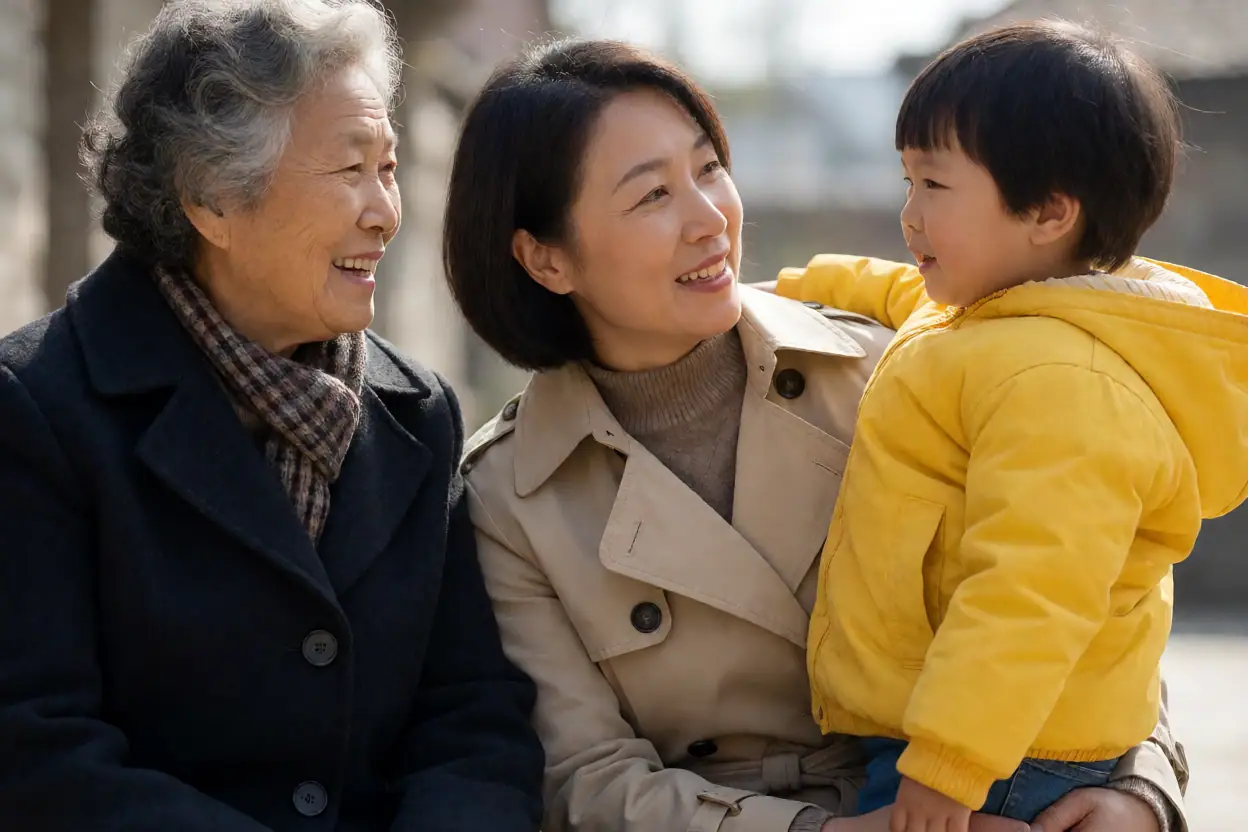
When naming a boy with the Zhao surname, people generally consider sound, character form, meaning, and overall temperament. Zhao has a clear pronunciation and a smooth, open tone, so the second and third characters of the name can be chosen to create an appropriate tonal variation, while avoiding consecutive characters with similar initials or overly crowded syllables. In terms of meaning, traditional aesthetics such as clarity and insight, perseverance, modesty, broad learning, and a sense of responsibility may serve as guiding themes. However, it is unwise to pursue grand-sounding words alone; the difficulty of writing, how the name will be used in daily address, and naming taboos relating to the names of senior family members should also be considered.
For example, “赵浩哲” tends to evoke breadth and wisdom, “赵泽景” feels gentle and clear, “赵明毅” emphasizes brightness and resilience, “赵秉谦” conveys steadfastness and humility, while “赵绍博” combines the ideas of continuity and breadth of knowledge. These interpretations are cultural associations considered when choosing a name and do not mean that a name can determine a person’s character, academic performance, or life path. Characters such as “煊,” “琦,” and “熙” have a distinctive classical quality, so before using them, it is also important to confirm whether family members are comfortable with their meanings, sources, and writing conventions.
The Zhao surname has a long history, with numerous related legends, commanderies of origin, and branch records. It is not possible to conclude that people belong to the same clan merely because they share a surname, or merely on the basis of a particular ancestral hall name or place of origin. If the family has preserved a genealogy, photographs of tombstones, ancestral hall records, family memoirs, or old letters, first organize the names, generational naming characters, places of residence, and timeline found in these materials, then compare them with records of people with the same names in online genealogies. When examining founding ancestors, migration routes, and connections between generations, try to locate facsimiles of the original genealogy, local gazetteers, inscriptions, or archival records, and distinguish between what is “recorded in the genealogy,” what is a “family legend,” and what “remains to be verified.”
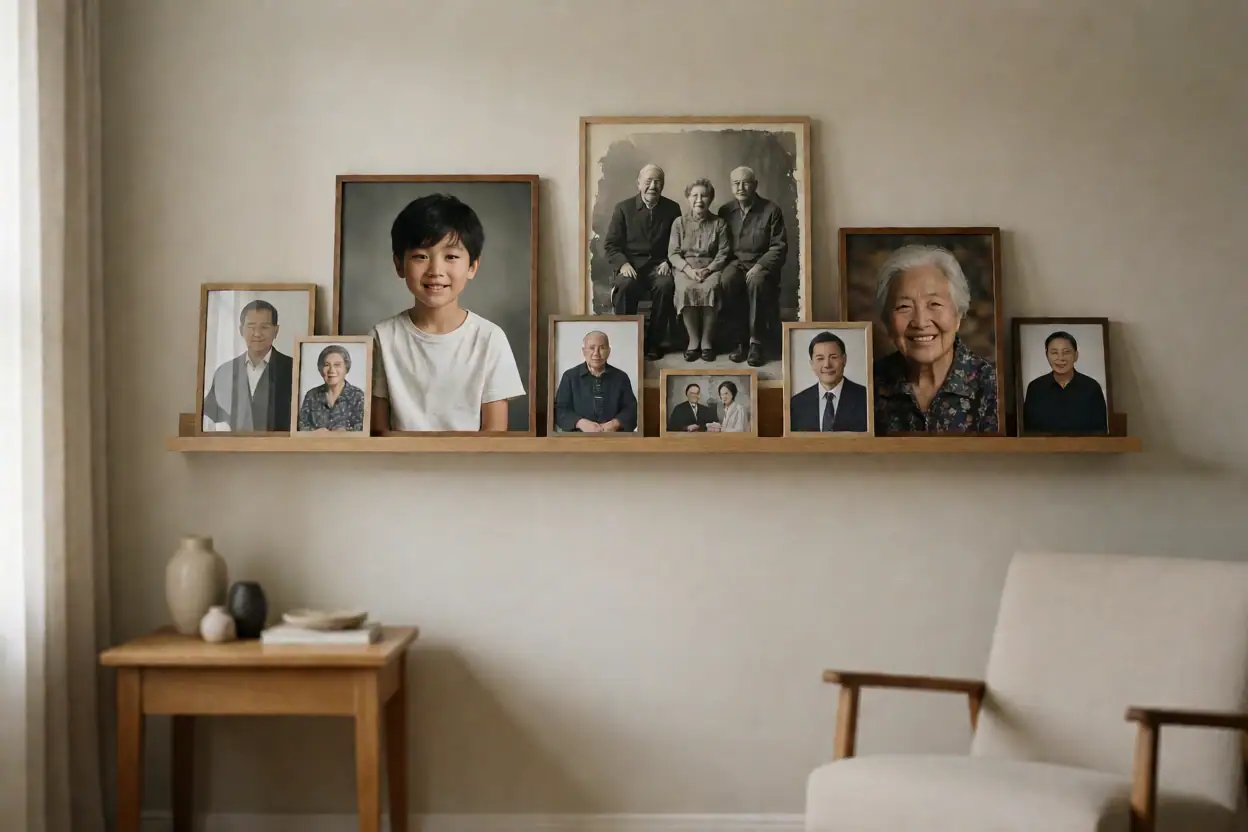
Naming and genealogical research can also inform each other. If the family already has an established generational naming system, first confirm the characters used and the rules governing their sequence. If there is no unified system, inspiration may be drawn from the history and culture of the ancestral home, values commonly expressed in family instructions, or shared memories among family members. Local gazetteers can help clarify the history of villages and towns, surname distribution, and the background of migrations, while family memoirs often preserve details of everyday life that may not appear in official histories or genealogies. When using these materials to develop name ideas, cultural reference and proof of bloodline should be handled separately.
When finalizing a name, review it in the following order: “easy to pronounce, clear to write, not overly exaggerated in meaning, free of conflicts with family relationships, and supported by clearly stated sources.” A well-cultivated name should first be suitable for real life. It may embody the hopes of elders and serve as a gentle marker of family memory, but it need not bear the responsibility of proving an ancestor’s identity or predicting future achievements.
Learn More and Verify
- Naming a Wen-Surname Boy: How to Balance Names and Family Clues
- Naming Girls with the Xian Surname: From Surname Clues to Family Memory
- A Study of the Ge Surname: From Character-Form Clues to Analysis of Family Genealogies
- Analysis of Luan figures’ memories and family lineages
Genealogy Knowledge and Methods for Compiling Genealogies · Finding Genealogies and Local Gazetteers · Organize family-root-seeking leads