The Combined Genealogy of the Qu Clan’s Two Halls in Tongcheng: A Family Memory of Surname Changes and Preserving One’s Roots
The combined genealogy of the Qu clan’s Shide Hall and Yijing Hall in Tongcheng presents a family memory in which migration, surname changes, ancestral identification, and genealogy compilation are intertwined. The relevant accounts still require further verification against the original genealogical records, local gazetteers, and material evidence.
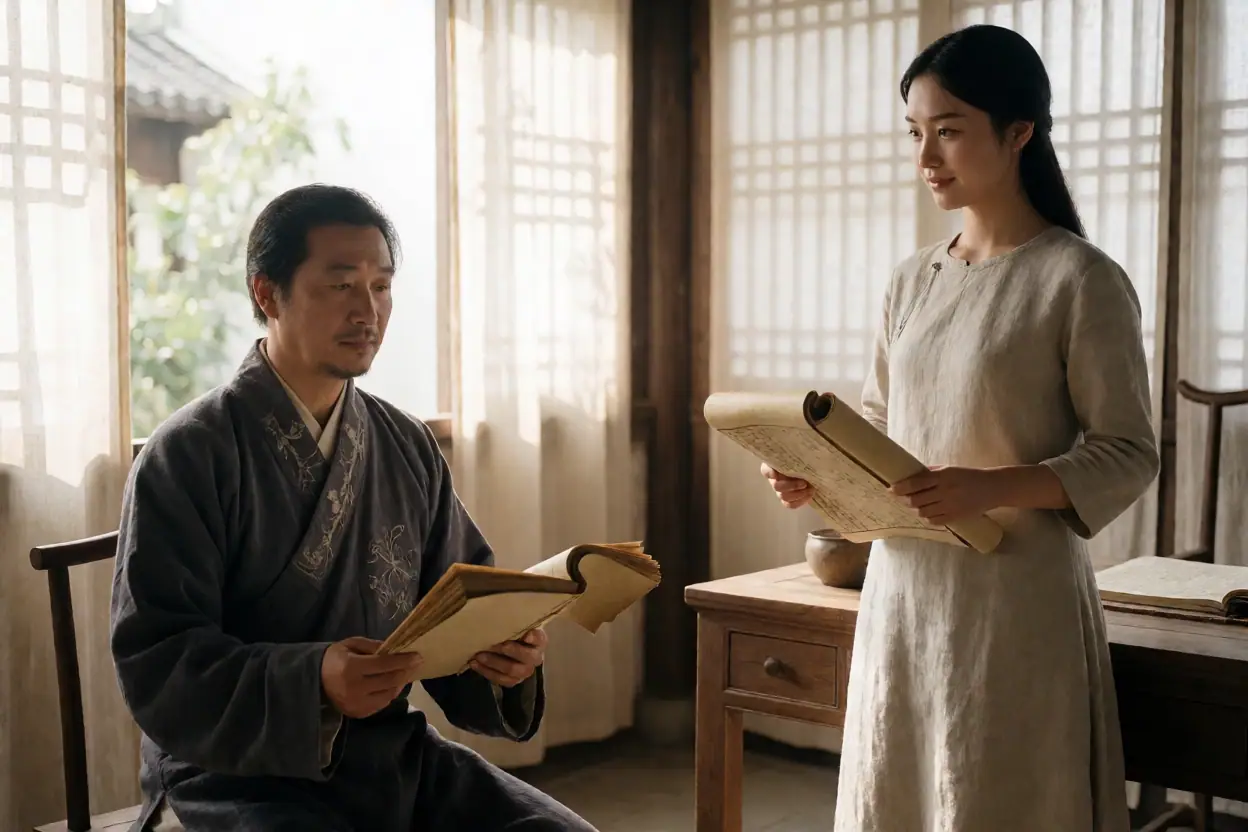
In the family memory of the Qu clan in Tongcheng, the exchange of genealogical records between Shide Hall and Yijing Hall carries a particularly strong sense of continuity. Existing records state that, since the initial compilation of their clan genealogies, the two halls exchanged copies of their genealogies for a long period and subsequently combined them during later revisions. This practice both preserved their shared family memory and left documentary evidence for later generations to examine branch relationships and trace migration clues. The specific volumes involved in the combined genealogy, the people who compiled it, and the whereabouts of the genealogical copies should still be verified against surviving original genealogies and related records.
Regarding the migration of the Qu clan in Tongcheng, the genealogy contains accounts of ancestors who moved from Jiangxi to different locations in Tongcheng amid population movements in the late Yuan and early Ming dynasties. One branch is said to have moved to Huayuanban and continued to use Qu as its surname; another moved to Guache River, where there are later records of a change to the Fang surname; and yet another is recorded as having changed its surname to Hou. These accounts reflect the complex changes within the family arising from migration, adoption, marriage, and local social relationships. However, the branches cannot be directly presumed to have descended from the same founding ancestor solely on the basis of place names, surnames, or hall names; the specific lineages still require comparison generation by generation.
The designation “Qu-Fang” merits particular attention. According to relevant genealogical accounts, an ancestor of the Yijing Hall branch lost his father at a young age and was raised by relatives surnamed Fang. His descendants consequently came to be locally known as the Fang clan. At the same time, the family continued to use the Qu surname as part of its ancestral memory, forming a tradition in which one person or lineage bore two surnames and used them in different circumstances. In family-history research, such changes and restorations of surnames should be examined in conjunction with genealogical prefaces, tombstones, ancestral hall records, marriage documents, and local gazetteers. They should not be reduced to a single cause, nor should all people surnamed Fang or Qu be regarded as belonging to the same lineage on this basis.
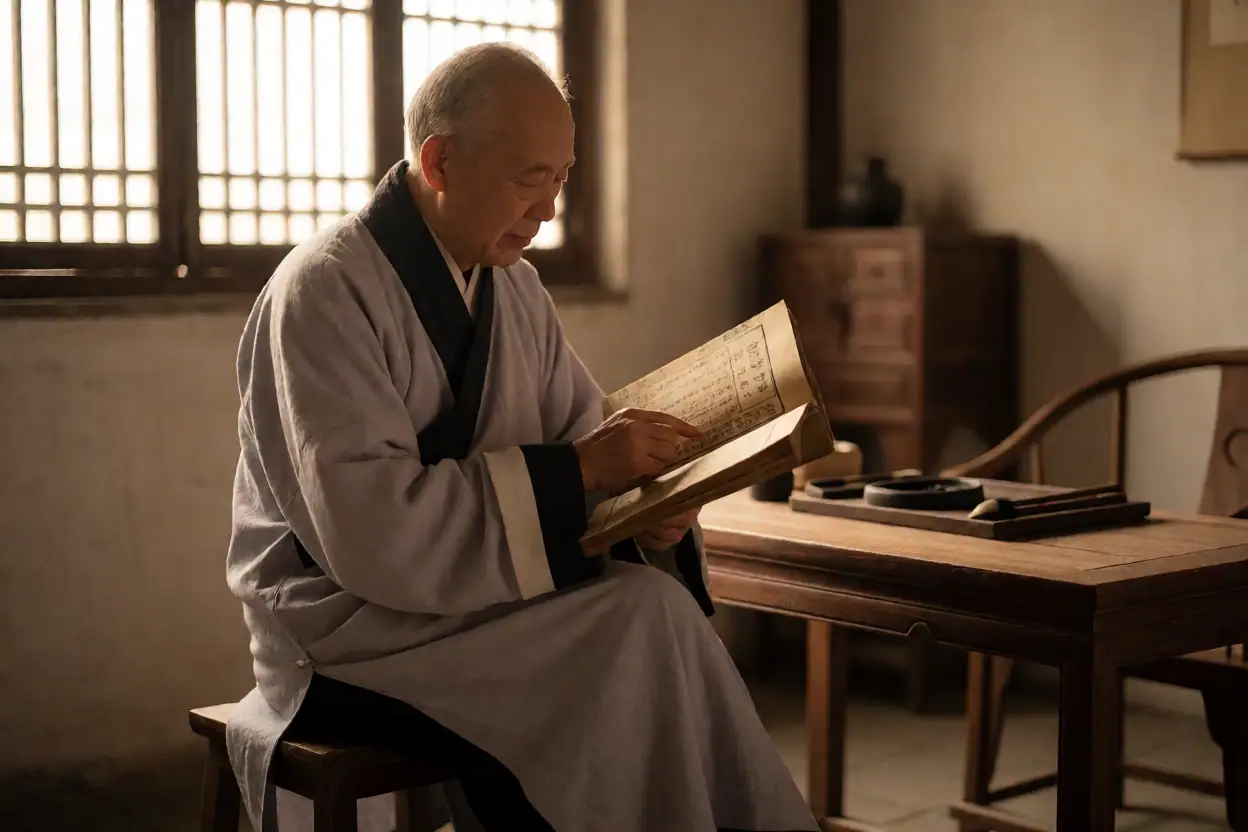
From the perspective of organizing surname-related materials, information on ancestral origins, hall names, and distribution found in entries concerning the Fang surname can serve only as broad search clues; it cannot replace genealogical proof of the specific lineage of the Qu clan in Tongcheng. Online genealogies can be used to compare generation names, places of residence, and migration points, while family memoirs help preserve the reasons for surname changes, exchanges involving ancestral halls, and the process of compiling genealogies. For further ancestry research, genealogical records should also be cross-referenced with Tongcheng local gazetteers, burial materials, and other family documents. Only by cross-checking multiple types of material can the historical context behind the combined genealogy of the two halls be understood more reliably.