Clues to the Planning of the Dancheng Laozi Culture and Arts Garden and Local Cultural Memory
In 2018, Dancheng, Henan, held a review of the planning proposal for the Laozi Culture and Arts Garden. Relevant materials indicate that the project was proposed to include such landscape features as Dan Dao Square, Dan Cheng Pavilion, Shangshan Pool, and Xuande Hall. However, a planning review does not mean that the project was completed; subsequent developments still need to be verified against local gazetteers and publicly available archives.
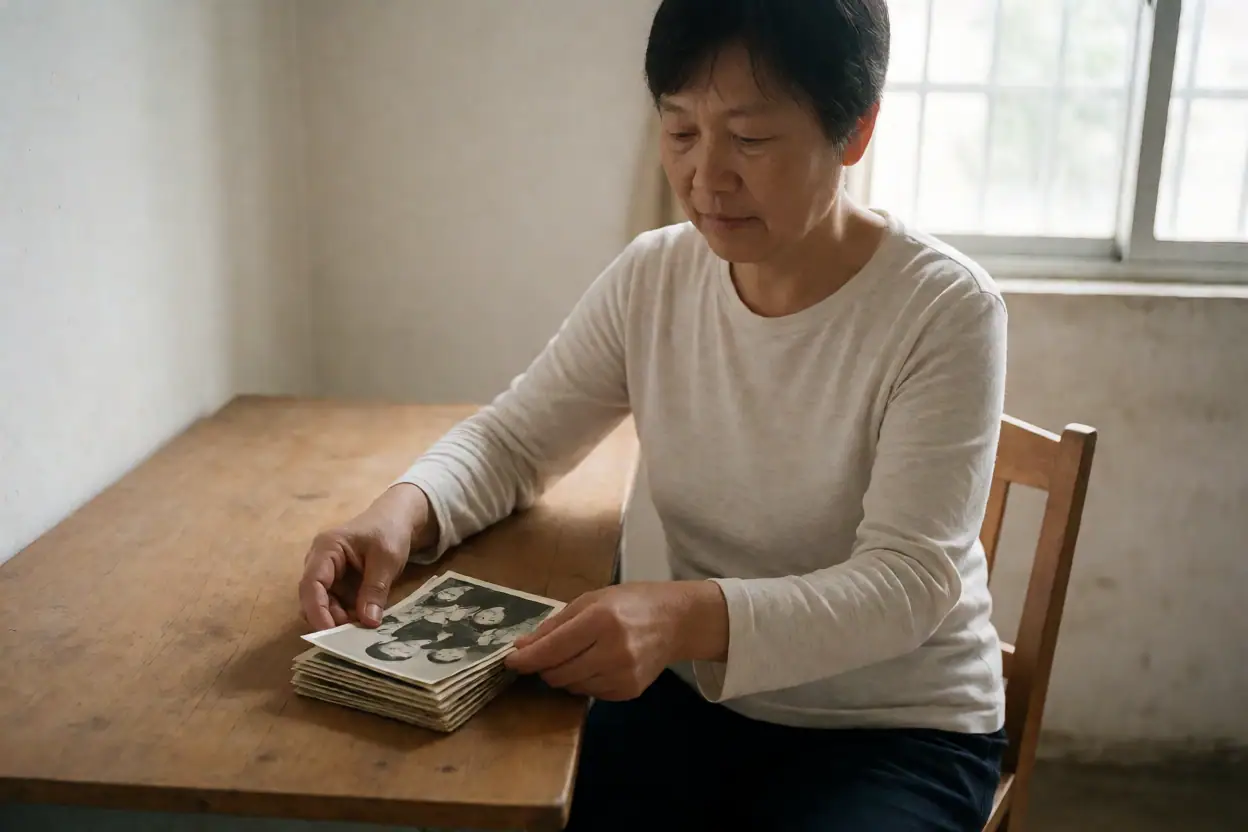
Henan’s Dancheng once proposed the idea of building a Laozi Culture and Arts Garden. Available clues indicate that in August 2018, Dancheng County convened a review meeting on the planning proposal for the project, with participants from publicity and culture, historical and literary research, construction, planning, and other fields. The meeting focused not only on the construction of individual landscape features, but also on the organization of local historical and cultural resources, methods of presentation, and the shaping of the city’s cultural image.
According to relevant planning materials, the arts garden was proposed to include ten landscape features, such as Dan Dao Square, Dan Cheng Pavilion, Shangshan Pool, and Xuande Hall. The proposal was prepared by a professional planning institution and used graphic, written, and audiovisual materials to explain the planning background, design concepts, and subsequent ideas. These names carry clear Daoist cultural connotations, reflecting a possible attempt to integrate intellectual and cultural themes, public space, and tourism presentation. However, planning documents, expert reviews, and actual construction belong to different stages. A single review meeting cannot by itself establish that the project was implemented, opened to the public, or developed into a fixed scenic-area layout.
The connection between Laozi and local culture in Henan has long been shaped jointly by texts, historical geography, and folk memory. Traditional accounts generally identify Laozi as Li Er, styled Boyang, or as Lao Dan. Specific research into his place of origin, sphere of activity, and related sites still requires distinctions among early textual records, later local narratives, and the representations used in modern cultural projects. When cultural legends are used in public presentations, the nature of the sources should also be indicated, so that symbolic designations are not directly treated as historical conclusions that have already received scholarly confirmation.
From the perspectives of family history and surname studies, local cultural memory in and around Dancheng can also be collated through cross-referencing surname databases, online genealogies, family memoirs, and local gazetteer collections. Particular care is needed: sharing a surname does not mean belonging to the same lineage. Whether discussing the Li, Yuan, or other surnames, one cannot infer a common ancestor, the same branch, or an unbroken genealogy solely from a shared surname, nearby places of residence, or a shared ancestral hall name. Ancestor names and titles, migration routes, ancestral-hall histories, and generation-name information should, wherever possible, be mutually corroborated through original genealogical records, gravestones, handwritten or copied clan records, and local gazetteers.
Families seeking to trace their roots can first record their ancestral place of origin, the time of migration, known ancestral names, generation-name order, marriage and burial locations, and oral family accounts, and then compare these with the administrative-boundary changes recorded in online genealogies and local gazetteers. If the materials contain duplicate names, variant written forms, gaps between generations, or inconsistent migration directions, multiple possibilities should be retained rather than filling gaps simply to create a complete genealogy. The planning clues surrounding the Laozi Culture and Arts Garden are likewise best viewed against the broader background of local cultural development in Dancheng: they reflect the local reinterpretation of historical resources while also reminding researchers to maintain clear boundaries among cultural communication, urban construction, and historical verification.
Learn More and Verify
- Clues to the Transmission of the Liu Clan's Wuliu Hall and Memories of Migration to Yunhe
- Guangzhou Chebei Hao Ancestral Hall: A Five-Hundred-Year Ancestral Hall and Local Memory
- Literary Clues on the Neng Surname and Methods for Organizing Family Memories
- Clues to the Luo Community Settlement in Tangnan, Fengshun, and Changes in Local Society
Genealogy Knowledge and Methods for Compiling Genealogies · Finding Genealogies and Local Gazetteers · Organize family-root-seeking leads