Tracing Peng Clan Memory and the Tradition of Genealogy Continuation Through Prefaces and Postscripts
The Selected Prefaces and Postscripts from Peng Genealogies brings together prefaces and postscripts from Peng genealogical records across the ages, showing the role of genealogies in tracing origins, clarifying lineages, and preserving family traditions. The relevant accounts involve the legends of Peng Zu, the migrations of clan members, and genealogy-revision practices in various regions, but specific branches still require item-by-item verification against original genealogies, local gazetteers, and family records.
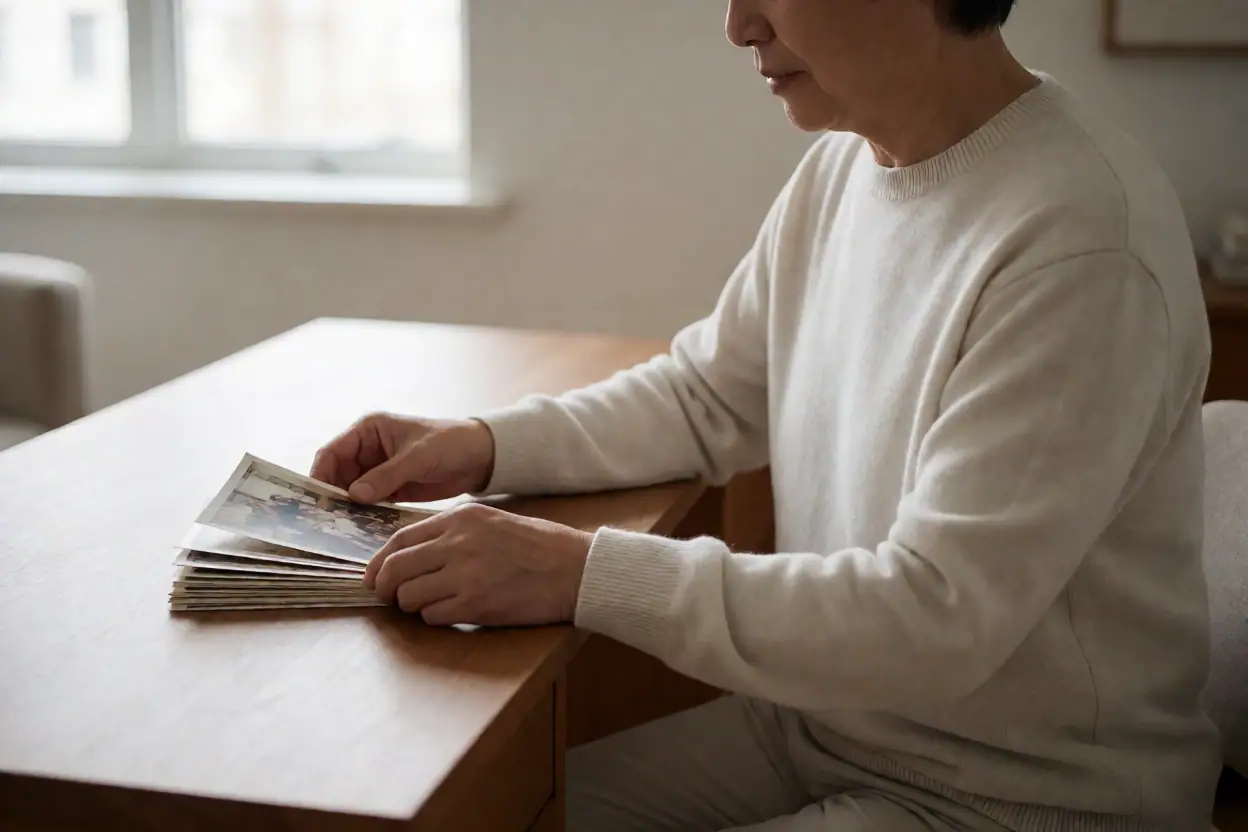
Genealogy prefaces and postscripts are not merely explanations of editorial methods; they often preserve a family’s understanding of its ancestors, migrations, ethics, and cultural transmission. The editorial approach of The Selected Prefaces and Postscripts from Peng Genealogies is to begin with these texts, found at the opening or end of genealogy volumes, and systematically compile relevant accounts from Peng genealogies. The book is said to include fifty-four prefaces and postscripts, spanning the Song dynasty through the modern era and covering genealogical materials from Jiangsu, Jiangxi, Henan, Hunan, Guangdong, Longxi, and other places. It presents the characteristics of the Peng branches’ broad geographical distribution and the long continuity of their genealogy-revision tradition.
The book’s prefaces draw on legends and ancient textual records concerning Dapeng, Peng Zu, and the descendants of Lu Zhong to explain the long history of the Peng surname’s origins and development. Such accounts have important cultural significance, but the ancestor from whom a surname originated and the specific founding ancestor of a branch in a given place are not the same concept. Legends of a shared ancient ancestor cannot directly prove the existence of a continuous, clearly documented patrilineal lineage between Peng families in different regions today. Whether people with the same surname belong to the same lineage still requires examination of information such as generational sequence, generation names, places of residence, burials, ancestral worship, and marriages in genealogical records, cross-referenced with local gazetteers, inscriptions, contracts, and family memories.
Another recurring theme in these prefaces and postscripts is that genealogy revision should respect the boundaries of the evidence. When individuals or generations cannot be confirmed, it is preferable to leave them unrecorded than to force a connection; prominent figures should not have their genealogies embellished because of their reputations; and ordinary clan members should not be casually omitted because of their low social status. This attitude—“give detail where detail is available, and leave blank what cannot be established”—still offers useful guidance for organizing family history today. Especially as online materials continue to multiply, original records with clear sources and identifiable transmission histories generally deserve greater attention than lineage charts with no cited provenance.

When researching the Peng family, one can first consult surname databases to learn about the historical names, geographical distribution, and common ancestral hall names associated with the Peng surname, and then use online genealogies to compare ancestral places of residence, generation names, and founding ancestors of migrations. Family memoirs can supplement details about relocations, occupations, and kinship relationships in the modern era, while local gazetteers can help verify changes in village history, ancestral hall sites, biographies, and administrative divisions. If contradictions arise between different materials, differing accounts should be retained, the basis for each should be recorded, and unresolved questions should be listed, rather than merging genealogies arbitrarily in order to create a complete narrative.
For Peng families who have moved to other provinces or overseas, tracing their roots can begin with the names of known recent ancestors, former places of residence, burial sites, ancestral hall names, generation names, and genealogical pages preserved at home. Migrations often involved multiple relocations, and the same place name may have referred to different areas in different historical periods, so verification against local gazetteers and historical maps is necessary. The traditions of honoring ancestors, fostering clan harmony, and continuing the revision of genealogies advocated in these prefaces ultimately matter not only for pursuing a distant and complete lineage, but also for preserving authentic memories, distinguishing family branches, and helping later generations understand their connections with local society.
Learn More and Verify
- Spatial Memory and Clan Heritage at the Weng Clan Ancestral Hall in Wengshan, Taishun
- The Fourth Volume of the Gantang Shao Clan Genealogy: Family Memory Through Clues in the Genealogy Volumes
- Two Visits to the Kuang Clan Ancestral Hall: Family Memories in the Lingnan Water Towns
- Chushi Clan Ancestral Hall in Ziyang, Ankang: Family Memory in a Century-Old Ancestral Hall
Genealogy Knowledge and Methods for Compiling Genealogies · Finding Genealogies and Local Gazetteers · Organize family-root-seeking leads