Gong-Surname Literary Clues: Surname Culture and Family Memory
Existing materials consist mainly of idiom stories, folk couplets, and anecdotes from everyday life, and are not yet sufficient to establish a complete lineage of Gong-surname poets or authors. Research into Gong-surname literature should cross-reference textual identification of works, the origins and development of the surname, genealogical records, and local documents.
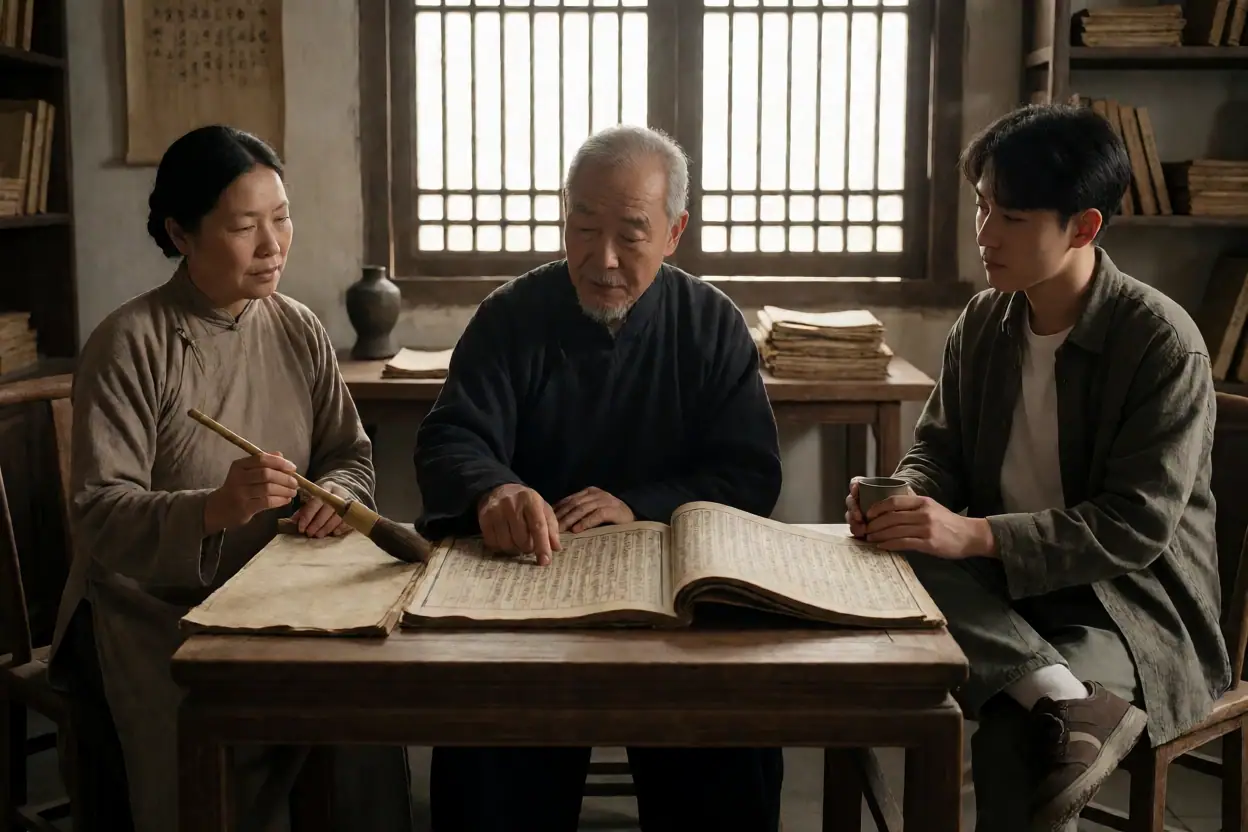
Discussion of “Gong-surname literature” must first distinguish between two levels. The first concerns writers and poets whose names genuinely use “Gong” as a surname, together with their works. The second concerns allusions and stories in which the character “Gong” appears, or in which figures such as “Yugong” and “Lord Mengchang” are the protagonists. Although the two are easily connected at the level of wording, they refer to different things in practice. The existing clues mainly consist of the idiom stories “Yugong Moves the Mountains,” “Having a Well-Conceived Plan,” “The Rooster Crows and Dogs Steal,” and “One Character Worth a Thousand Pieces of Gold,” as well as couplets, folk jokes, and other popular texts. These materials can reflect the narrative forms through which traditional culture was transmitted, but they cannot be used to conclude that the figures concerned belonged to the Gong surname, nor can they directly prove the genealogical relationships of a Gong-surname literary family.
Surname records indicate that traditional materials on the Gong surname commonly include regional or commandery references to the State of Lu, Henan, and Guangping. The ancestral hall name “Hall of the State of Lu” is recorded, while distribution accounts mention Shandong, Henan, Hebei, Jiangsu, Shaanxi, and other places. General explanations of the surname’s origin have linked it to designations for Gong clans and branches associated with official positions, but genealogical records may differ across regions and branches. When examining a particular branch, the original genealogy, tomb inscriptions, ancestral temple and ritual records, and local gazetteers should still be checked against one another. People with the same surname are not necessarily of the same lineage, and geographical proximity or a shared ancestral hall name alone is not sufficient evidence for identifying a common ancestor.
To organize information on Gong-surname poets and literary authors, one can begin by creating an index based on four aspects: signatures on works, native place, period of activity, and family transmission. Online genealogies are useful for locating generation names, migration points, lists of distinguished ancestors, and prefaces to genealogies. Family memoirs can supplement information on people’s lives, educational experiences, collected manuscripts, and oral traditions. Local gazetteers can help verify whether a person held office, lived, established a school, or participated in educational and cultural activities in a particular locality. Poems and prose found only in online retellings and lacking information about their author and edition should be treated provisionally as leads rather than entered directly into a definitive catalog.
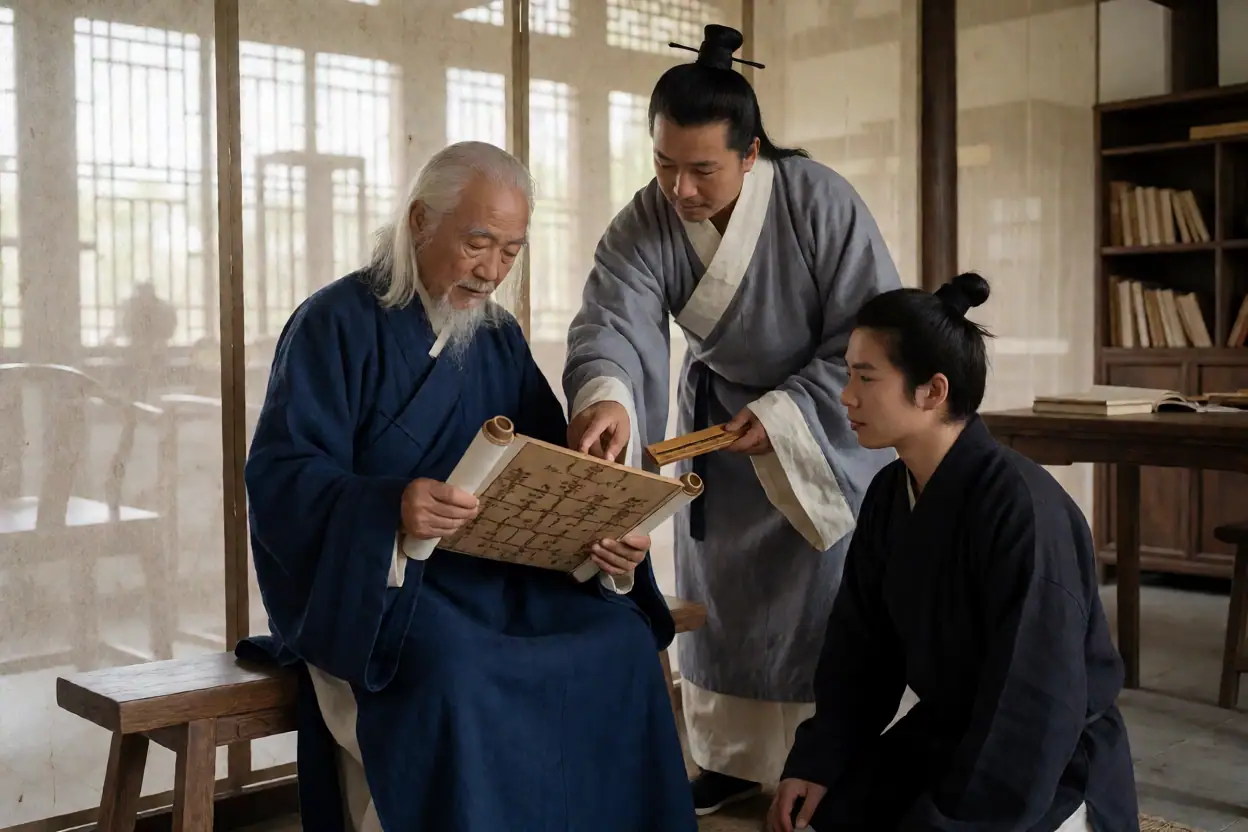
In practical ancestry research, it is advisable to begin with the known ancestral residence, the name of the first ancestor to migrate, generation names and birth-order information, and places of residence in modern times, then compare the lineage records in genealogies layer by layer. If an ancestor recorded in a genealogy shares a name with the person credited in a literary work, the work’s edition, prefaces and postscripts, collected-work catalog, epitaph, or local biographical records must be further examined to confirm whether they were the same person. Surname databases, online genealogies, family memoirs, ancestry research, and local gazetteer databases can each provide leads and points of reference, but final conclusions should still be based on documentary evidence that can be independently verified. Based on the materials currently available, the more cautious formulation is that research into Gong-surname culture can proceed along three paths—idiomatic allusions, folk literature, and family documents—while a systematic catalog of Gong-surname authors and their works remains subject to further verification and textual examination.