Jiangsu Di Clan Generation-Name Records and Branch Analysis
Records of generation names used by the Di clan in different parts of Jiangsu reveal clues to the continuity of several local branches. The characters used to indicate generational order vary among Liyang, Lianyungang, Suzhou, Nanjing’s Pukou, and other places. Further verification against genealogies, migration records, and local literature is still necessary when organizing these materials.
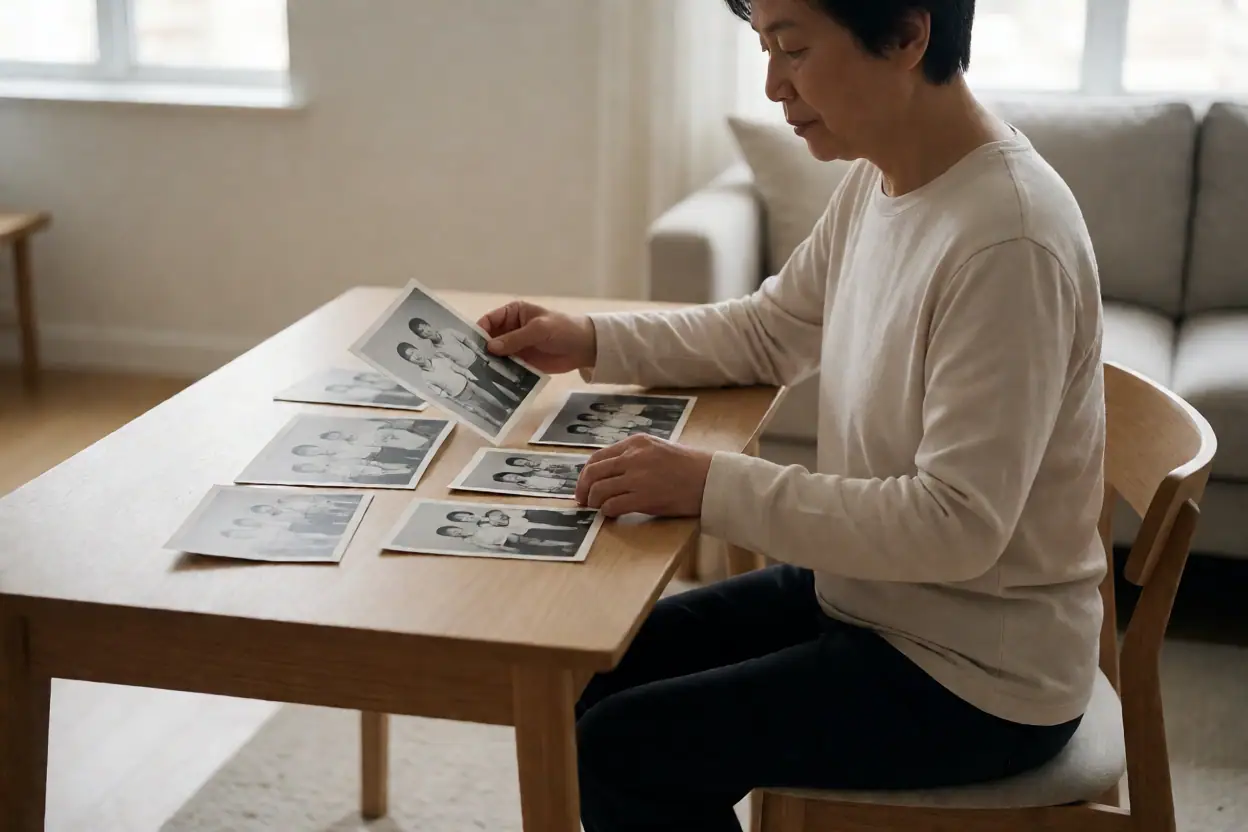
Generation names, also known as lineage verses, generation sequences, or generational designations, are a set of characters used by a family when updating its genealogical records to indicate the order of generations. The generation-name materials preserved by the Di clan in various parts of Jiangsu provide clues for understanding the continuity of local branches, genealogy-revision traditions, and clan memory. However, a set of generation names can only show that a particular branch once used the corresponding naming rules; the fact that the surname or individual generation names are the same cannot, by itself, establish that Di clans in different regions share a common ancestral line.
Existing records show that the Liyang Di clan has a relatively complete sequence of generation names: “文章千古训,忠孝一家人,勤俭贻谟远,诗书衍庆长” (“Literature offers lessons through the ages; loyalty and filial piety make one family; diligence and frugality pass down far-reaching counsels; poetry and learning extend blessings through the generations”). It reflects an emphasis on literature and learning, while also conveying the family-instruction values of loyalty, filial piety, diligence, and frugality. If these characters are indeed a continuous lineage verse, later generations must also verify in the genealogy which generation each character corresponds to, and whether there were taboos on personal names, character changes, additions, or use across different branches of the family.
Records of the Di clan in Lianyungang contain only wording such as “孟元英维时……” and are incomplete. This may be a segment of a longer lineage verse, or an excerpt preserved from a particular branch or a particular genealogy revision; at this stage, it should not be used to infer a complete line of descent. The generation names recorded for one Suzhou branch are “永自万朝学启国兴仁卫仕兆祖厚德成”. The relatively large number of characters makes them worth comparing further, but it is still necessary to determine their scope of application: whether they belong to the entire local branch, or only to a particular village, family branch, or migrant branch.
The record from Shiqiao Town, Pukou District, Nanjing, reads “我的辈分昌般” (“my generation designation is Changban”). The wording is relatively brief and may reflect an oral recollection, an incomplete transcription, or a local form of writing. In such cases, priority should be given to locating old genealogies preserved by senior members of the same family branch, tombstones, ancestral-hall inscriptions, ritual registers, and documents relating to marriages and funerals. Individual names, places of birth, places of migration, and the generations recorded in the genealogy should then be matched one by one.
When tracing family roots, one may first consult a surname database for the Di clan’s origins, ancestral commanderies, hall names, and distribution in different regions, and then use online genealogy searches to identify specific areas, villages, and individuals. Family memoirs can supplement information about migration routes, kinship terms, and the reasons records were lost, while local gazetteers can be used to verify administrative changes, village names, surviving ancestral worship sites, and historical figures. When materials conflict, differing accounts should be retained and their levels of evidentiary support indicated. Particular care is needed to avoid mixing Di clan materials with those of other similar surnames; hall names, ancestral residences, and legends about famous figures cannot replace continuous and reliable proof of descent. Only by cross-referencing generation names, genealogical records, burials, local literature, and family oral histories can one more reliably assess the actual relationships among Di clan branches in different parts of Jiangsu.
Learn More and Verify
- Genealogical Materials and Branch-Line Analysis of the Chu Surname in Shandong
- Clues to Generational Names and an Examination of Branch Lineages of the Shanghai Situ Family
- Compiling the Xue Surname’s Generation Names in Fujian: From Regional Clues to Analysis of Family Genealogies
- Clues to Generation Names and Branch Analysis for the Shandong Huai Surname
Genealogy Knowledge and Methods for Compiling Genealogies · Finding Genealogies and Local Gazetteers · Organize family-root-seeking leads