A Study of the Origins and Lineages of the Situ Surname: From an Ancient Official Title to Branches in Multiple Regions
The Situ surname is a compound surname with multiple possible lines of origin. Existing sources often connect it with the Western Zhou official title “Situ,” while also preserving accounts of surnames derived from official titles during the Spring and Autumn period and of later regional branches. Clarifying the Situ lineage still requires branch-by-branch examination of genealogies, migration records, and local documents.

The origins of the Situ surname are often associated with the ancient official title “Situ.” Available materials indicate that the designation “Si Tu” appears frequently in bronze inscriptions from the early Western Zhou period, while “Si Tu” and “Situ” were used in parallel by the late Western Zhou period. This was an important official position within the dynasty, with responsibilities that broadly included mobilizing labor, overseeing the cultivation of fields, and managing parks, forests, and pastoral resources. It was counted together with Sima and Sigong as the “Three Offices.” Because feudal states and the fiefs of high-ranking nobles might also establish similar offices, Situ was not limited to the central court of the dynasty.
In pre-Qin society, official positions, fiefs, and places of residence could all become markers of clan identity. Some families took the name of the official title because an ancestor had served as Situ; related offices also existed in various states during the Spring and Autumn period. The formation of the Situ surname therefore cannot be simply attributed to a single ancestor or a single place. Existing accounts of early figures and specific branches of the Situ surname sometimes derive separately from ancient texts, genealogical traditions, and local records. These sources do not necessarily connect directly with one another and should be compared as clues from different levels.
Materials on the Situ surname also show the coexistence of multiple lines of origin and regional traditions. Some surname records list Fanyang, Zhuojun, Henan, and other commanderies or places of origin, and use “Fanyang Hall” as a lineage hall name. Such names more often reflect the historical affiliation, genealogy-revision traditions, or memories of migration of particular branches; they cannot establish that all people bearing the Situ surname descended from the same branch. Existing distribution clues involve Inner Mongolia, Shanxi, Hebei, Liaoning, Shaanxi, and other areas, and may also reflect complex circumstances such as later migrations, changes in household registration, and the merging of related lineages.
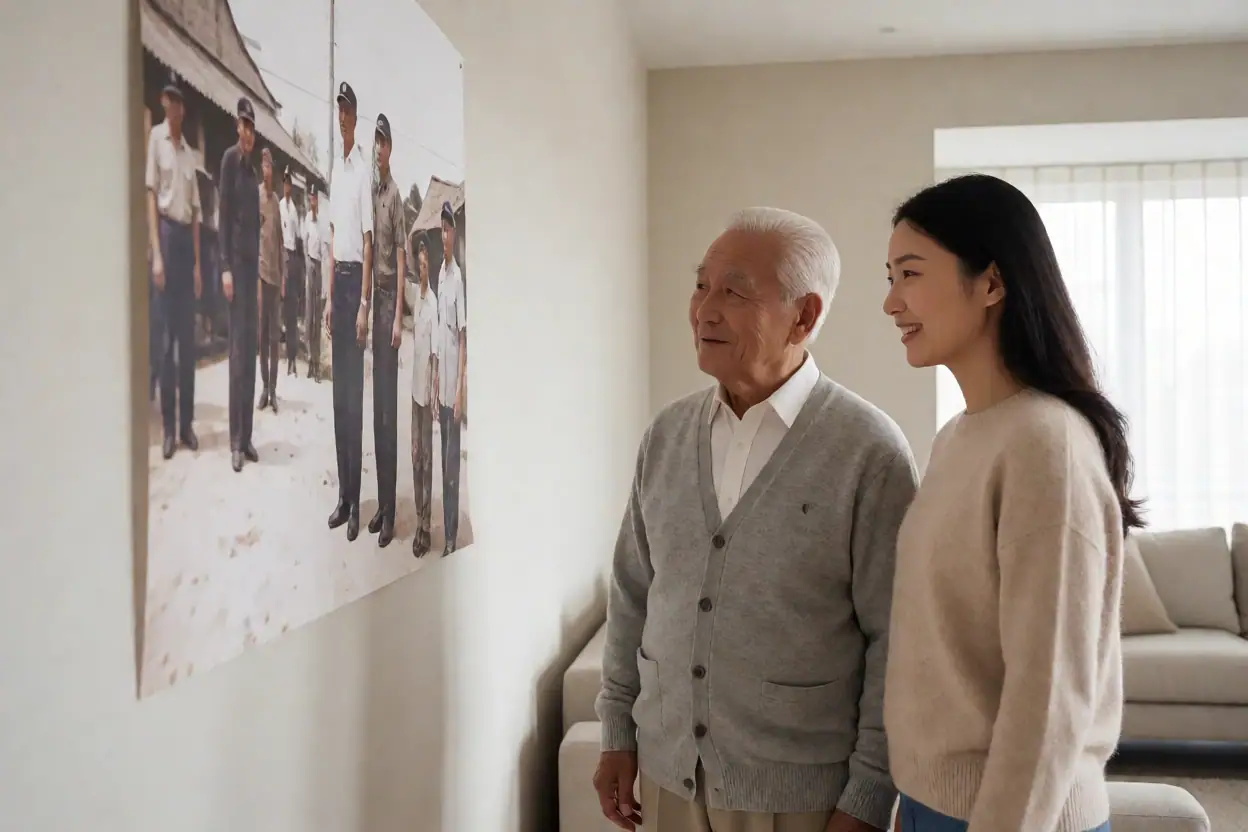
When tracing the history of the Situ family, the most important task is to distinguish a shared surname from an actual shared lineage. Sharing a surname does not mean sharing the same ancestry, and sharing a lineage hall name does not necessarily indicate a connection between closely related branches. A prudent approach is to first record the current place of residence, ancestral place of residence, founding migrant ancestor, generational names, ancestral hall, burial sites, and the location of genealogical records. The migration accounts in family memoirs can then be cross-referenced with online genealogies, genealogy prefaces, epitaphs, local gazetteers, household registers, and other materials. If different sources conflict over dates, place names, or generations, the variant accounts should be retained rather than forcing a connection in pursuit of a prestigious ancestral origin.
For families lacking complete genealogical records, research can begin with the names of recent ancestors, marital relationships, migration routes, and former names of villages, gradually building a verifiable family relationship chart. Local gazetteer databases can help identify former place names, changes in administrative divisions, and historic settlements, while surname materials can provide background on the history of the compound Situ surname. Only when combined with verifiable family records from the relevant branch can these sources support a relatively reliable judgment about ancestral origins. The historical value of the Situ surname lies both in the cultural memory preserved by the ancient official title and in the diverse traditions formed by branches in different regions through migration, settlement, and genealogy compilation.
Learn More and Verify
- An Examination of the Origins of the Mao Clan through the Wuping Ancient Plaque: Cross-Verification from Cultural Relics to Genealogies
- Clues to Generational Names and an Examination of Branch Lineages of the Shanghai Situ Family
- Clues to Di Renjie's Family Background: The Origins of the Di Surname in Light of Di Zhan's Taiyuan Epitaph
- The Origins of the Ji Surname and the Jisun Branch: From an Old Lu State Clan to Later Regional Distribution
Genealogy Knowledge and Methods for Compiling Genealogies · Finding Genealogies and Local Gazetteers · Organize family-root-seeking leads