What Was Emperor Qianlong’s Surname and Given Name? Clarifying Hongli’s Identity
Qianlong was the era name of Qing Gaozong; the emperor’s personal name was Hongli, and he is commonly referred to as Aisin Gioro Hongli. Understanding this designation requires distinguishing among the Qing imperial surname, personal name, era name, and temple name; the era name should not be treated directly as a personal name.
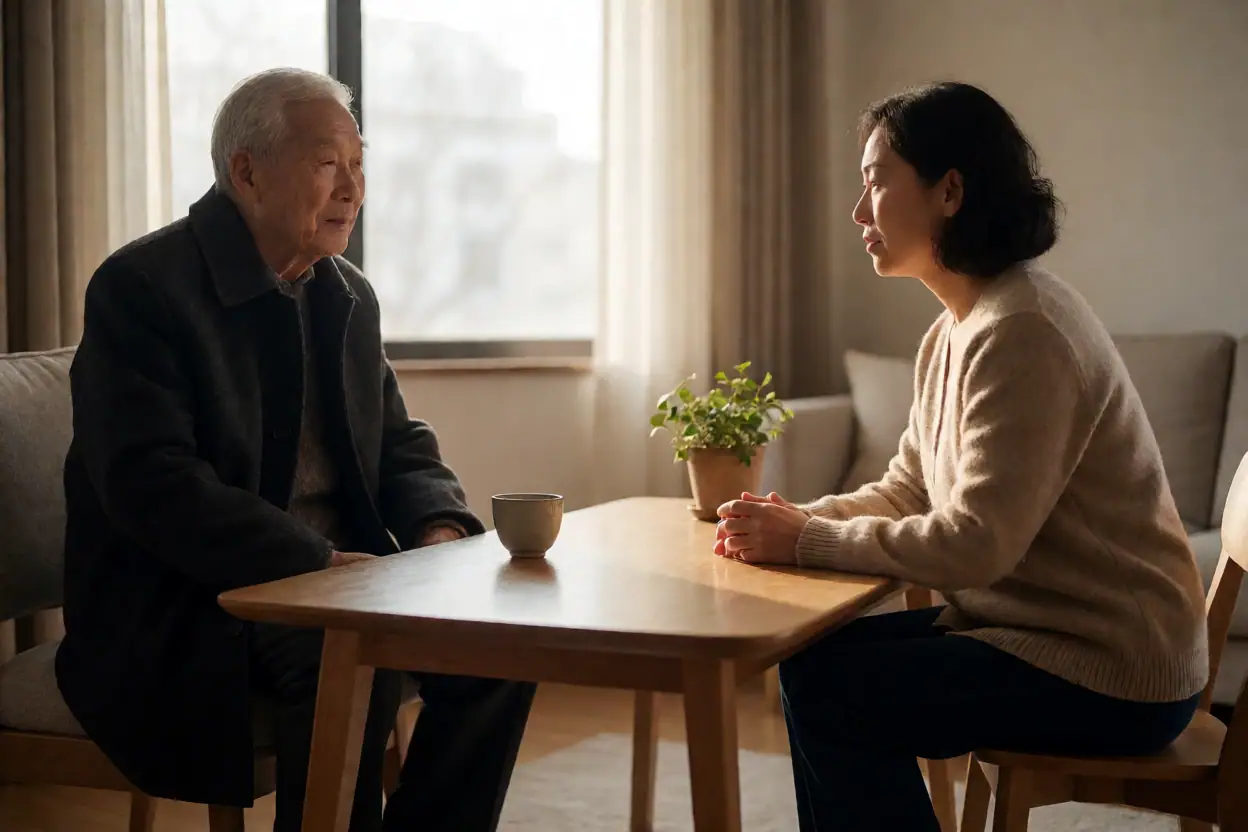
When discussing “Qianlong’s surname and given name,” the simplest answer is that he was commonly known as Aisin Gioro Hongli, had the temple name Qing Gaozong, and used “Qianlong” as his era name after ascending the throne. In other words, Qianlong was not his personal name but the era name of his reign; “Hongli” was his personal name, while “Aisin Gioro” was the surname designation commonly used by the Qing imperial family.
Hongli was born in 1711, and his father was the Yongzheng Emperor. After ascending the throne in 1735, he continued to use “Qianlong” as his era name, which is why later generations often referred to him as the “Qianlong Emperor.” In the sixtieth year of the Qianlong era, or 1795, he handed the throne to his fifteenth son, Yongyan, and became Retired Emperor. He continued to participate in the handling of state affairs for a considerable period afterward, until his death in 1799 at the age of eighty-nine. His reign, abdication, and later years should preferably be examined in conjunction with Qing official records, court archives, and relevant biographies.
In terms of the structure of imperial designations, Qing rulers often had multiple identifiers at the same time: they used a personal name at birth, adopted an era name after ascending the throne to mark their political period, and after death entered ritual and historical narratives through a temple name, posthumous name, and other titles. Accordingly, “Qianlong,” “Hongli,” and “Qing Gaozong” belong to different levels of designation and should not be conflated. In modern historical writing, “Aisin Gioro Hongli” is a relatively complete and commonly used form, but specific contextual differences exist among Manchu names, clan designations, and their transcription into Chinese; they cannot be explained simply by applying modern household-registration concepts of surnames and given names.
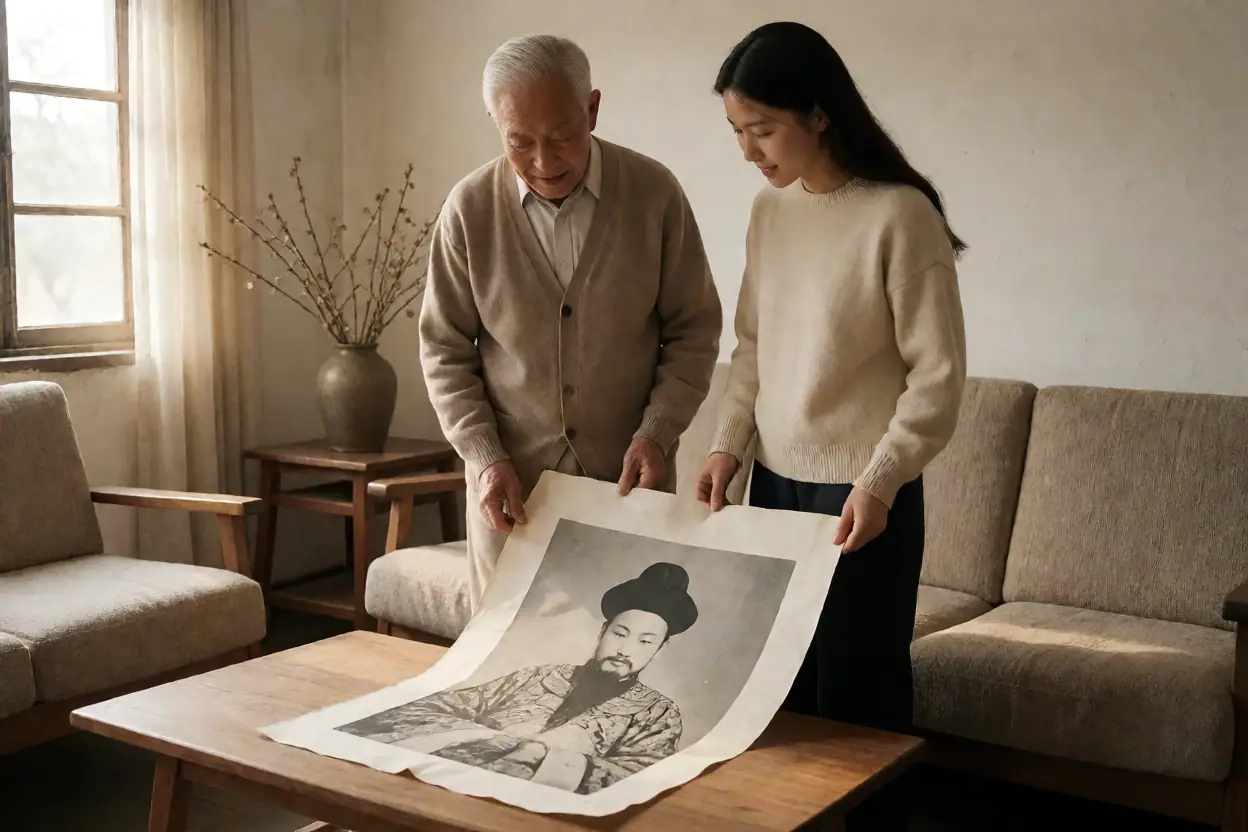
When researching the Aisin Gioro family and its branches, it is also important to note the difference between imperial genealogical records and ordinary family genealogies. Imperial lineages generally have relatively complete archival records, but genealogical manuscripts circulated among the public, memoirs, and accounts by later descendants may contain different forms due to copying, naming taboos, surname changes, migration, or branch affiliation. Even sharing the same surname does not by itself establish membership in the same lineage; determining ancestral relationships requires comparing multiple types of material, including lineages, places of residence, generation names, graves, genealogy prefaces, and local gazetteers.
For those wishing to find out whether their family may be connected with the Qing imperial clan, a useful first step is to organize information on ancestral names, places of residence, migration dates, generation names, and ancestral halls and tombs, then cross-check it against surname databases, online genealogies, family memoirs, and local gazetteers. If the only evidence is a family legend involving the surname “Aisin Gioro,” or an alleged direct-line relationship to Hongli based solely on oral accounts within the family, the evidence remains insufficient. The value of tracing one’s roots lies not in accommodating narratives of illustrious ancestry, but in gradually connecting verifiable pieces of family memory.
Learn More and Verify
- What Was Qin Shi Huang’s Surname? An Examination of the Ying Surname, Zhao Clan, and Qin Royal House
- An Analysis of Genealogical Accounts of the Lin Clan’s Founding Ancestor and the Origins of the Chen Clan
- The Legend of the Feng Surname and Wuhuai: A Historical Examination of Ancient Genealogies
- The Wen Surname and the Wenren Clan: From Legendary Origins to Genealogical Analysis
Genealogy Knowledge and Methods for Compiling Genealogies · Finding Genealogies and Local Gazetteers · Organize family-root-seeking leads