Tracing the Origins of the Mingguang Yue Clan: The Yang–Yue Marriage Alliance and Local Memory
Among the Yue clan in the Dayue and Xiaoyue areas of Mingguang, Anhui, traditions have circulated that they are descendants of Yang Liulang or that their surname was changed to Yue to evade danger. Combined with records of Yue ancestral spirit tablets in drafts of local gazetteers, these traditions point to another, more cautious line of inquiry, but the remote ancestors and complete lineage still require further verification.
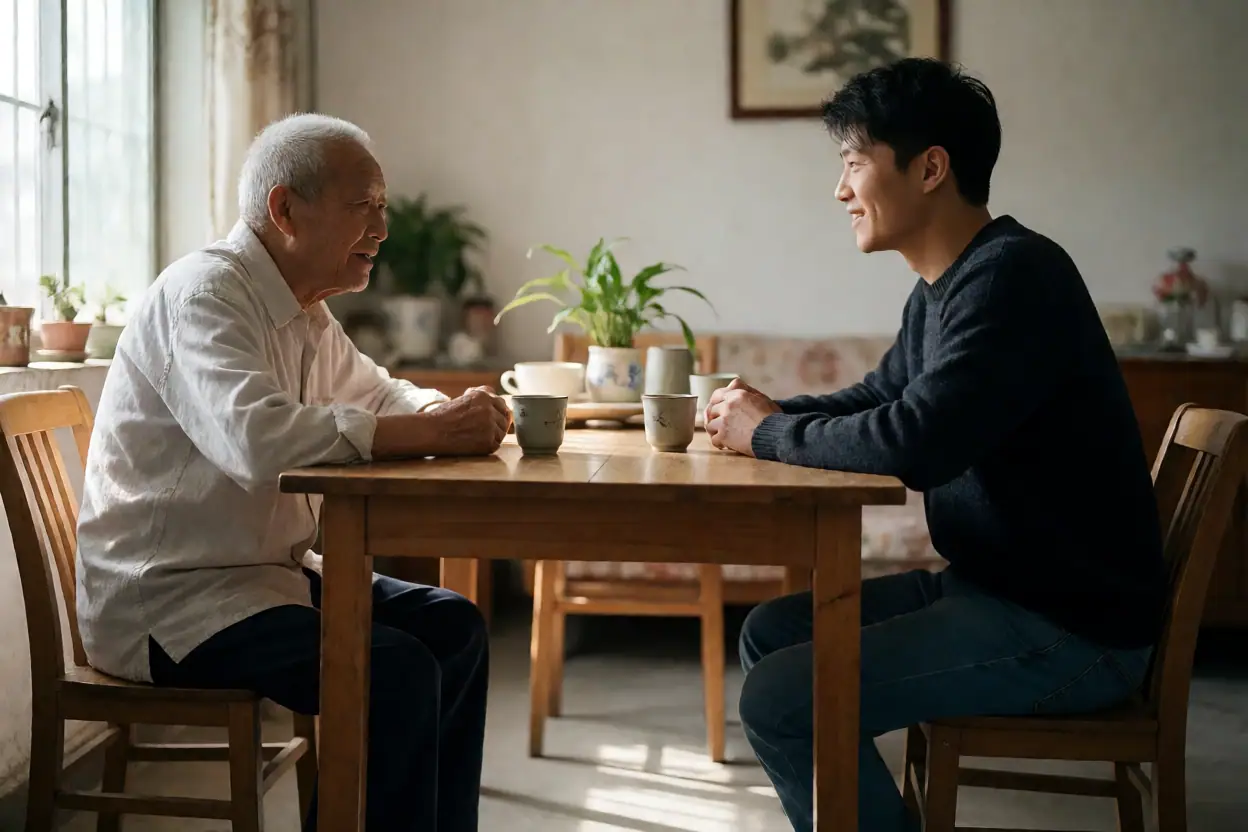
In the Dayue and Xiaoyue areas of Guandian Town, Mingguang, Anhui, local memories of the Yue clan living together as a community have circulated for a long time. Folk accounts of this branch’s origins are varied: some say that its forebears were connected with Yang Yanzhao of the Song dynasty, while others say that descendants of the Yang clan moved to the area after warfare or family upheaval and later changed their surname to Yue. Since these accounts rely largely on oral transmission, they should not currently be treated directly as conclusively established genealogical findings.
One particularly noteworthy line of inquiry appears in drafts of local gazetteers concerning Jiashan County and in materials from a Yue ancestral hall. The relevant texts state that after the wars and destruction at the end of the Ming dynasty, only one daughter of the Yue family remained. She therefore took Yang Jiu, the son of a male relative surnamed Yang, as her husband, and he continued the Yue ancestral line. He was sixth in birth order and may have been referred to by later generations as “Yang the Sixth.” The ancestral spirit-tablet records also concern the marriage between a Yue woman and Yang Jiu and the succession of descendants to the Yue lineage. If this passage is an accurate transcription of the original ancestral-hall record, then the direct reason the Mingguang Yue clan formed its present surname branch was more likely related to taking a son-in-law, succession, and adoption of the Yue surname than simply to changing the surname to evade danger.
This line of inquiry also helps us reinterpret the traditions concerning ancestral figures and spirit tablets in the ancestral hall. The three ancestral images mentioned in local accounts may correspond to Yang Jiu, the Yue woman, and their descendants, but the identities, personal names, and dates of these figures should still be cross-checked against original inscriptions, spirit tablets, genealogies, or local gazetteers. Existing materials are insufficient to prove whether Yang Jiu had a blood relationship with the family of Yang Yanzhao of the Song dynasty; nor can the “sixth” in the designation “Yang the Sixth” necessarily be equated with the historical figure Yang Liulang, as it may simply indicate birth order.
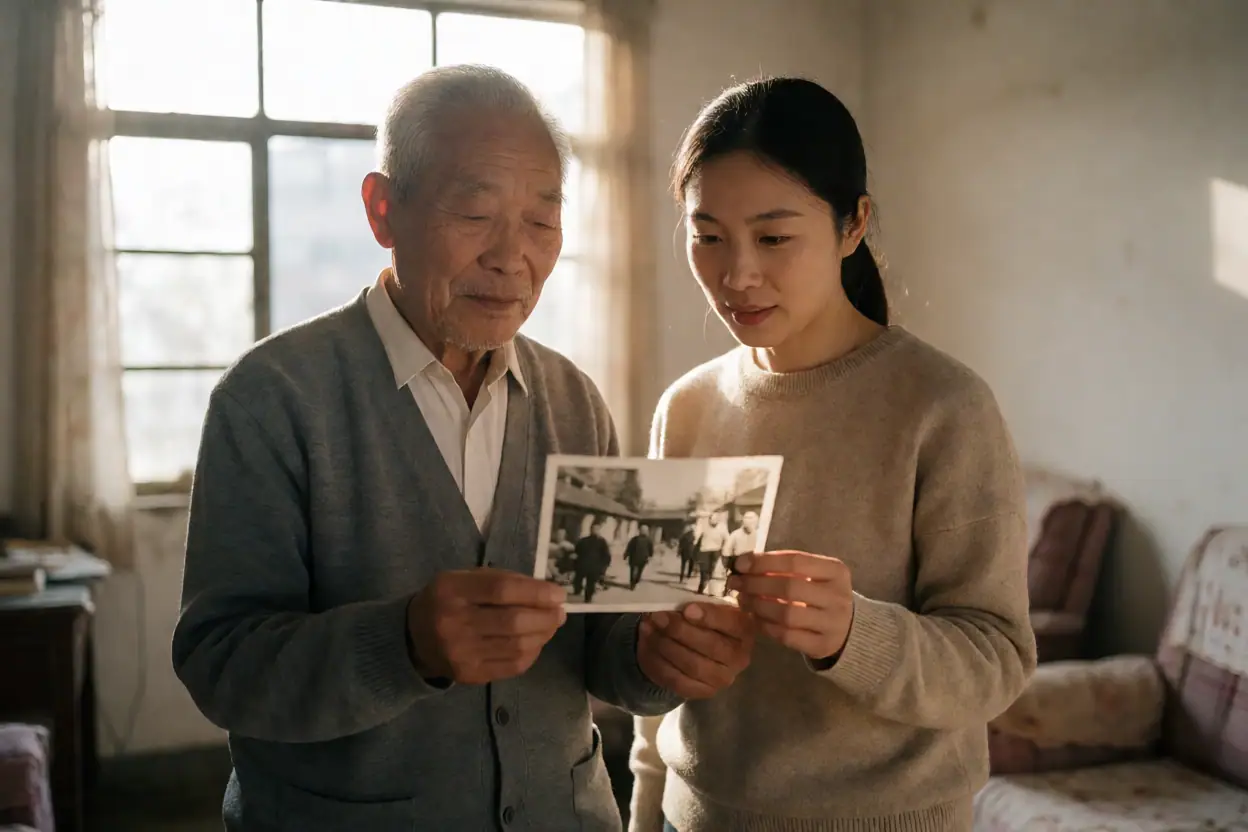
An inscription by a descendant of the Yue clan states that their forebears came from Jinyang, perhaps linking them to the ancient Yue state and the Si-surname system, and mentions that they were already receiving offerings in the Xiaohengshan area of Xuyi in the early Ming dynasty. Dayue and Xiaoyue face Xiaohengshan across the Nansha River, and this geographical relationship provides a local context worth investigating. However, ancient accounts of surname origins often combine commandery-origin claims, dynastic-surname legends, and local memories of settlement foundations; a continuous lineage cannot be confirmed merely because place names are similar. The specific period during which the Yue clan continued in the area, the earliest settlers, and the branches of each household still require the examination of early genealogies, epitaphs, ancestral-hall property documents, and local gazetteer materials.
When researching this kind of family history, oral recollections, online genealogies, family memoirs, and local gazetteers should be assigned separate levels of evidentiary status, after which names, generation characters, marital relationships, and places of residence should be compared item by item. Existing clues support a renewed examination of the “Yang–Yue relationship” and the founding traditions of the Mingguang Yue clan, but they cannot establish that all people surnamed Yue descend from a single ancestor, nor can traditions concerning a branch in Mingguang be generalized as the common origin of the Yue clan. If the original ancestral spirit tablets, old prefaces to genealogies, rubbings of tomb inscriptions, and continuous records of generation characters can later be obtained, they may help clarify the succession relationship between Yang Jiu, the Yue clan’s founding ancestress, and their descendants.
Learn More and Verify
- The Rise and Decline of the Rong Clan Ancestral Hall in Fuxing Township, Rong County, and Local Memory
- Tracing the Origins of a Niu Clan Branch Through Generation Characters and Regional Clues
- Yihuang, Jiangxi Hu Clan Ancestral Hall: An Ancestral Hall and Local Family Memory
- Local Memory of the Qu Clan Ancestral Hall in Baisha, Yangxin, and the Legends of Liyang
Genealogy Knowledge and Methods for Compiling Genealogies · Finding Genealogies and Local Gazetteers · Organize family-root-seeking leads