The Kui Clan and the Spring and Autumn Royal Family Conflict: A Historical Narrative of Interwoven Marriage and Power
During the Spring and Autumn period, the Kui clan is described as the daughter of a Di tribal leader who entered the royal family after King Xiang of Zhou enlisted the Di to attack Zheng. Her marriage, deposition and reinstatement, and the conflicts that followed reflect the complex interplay of the declining royal house, rivalry among the feudal lords, and relations among different groups.
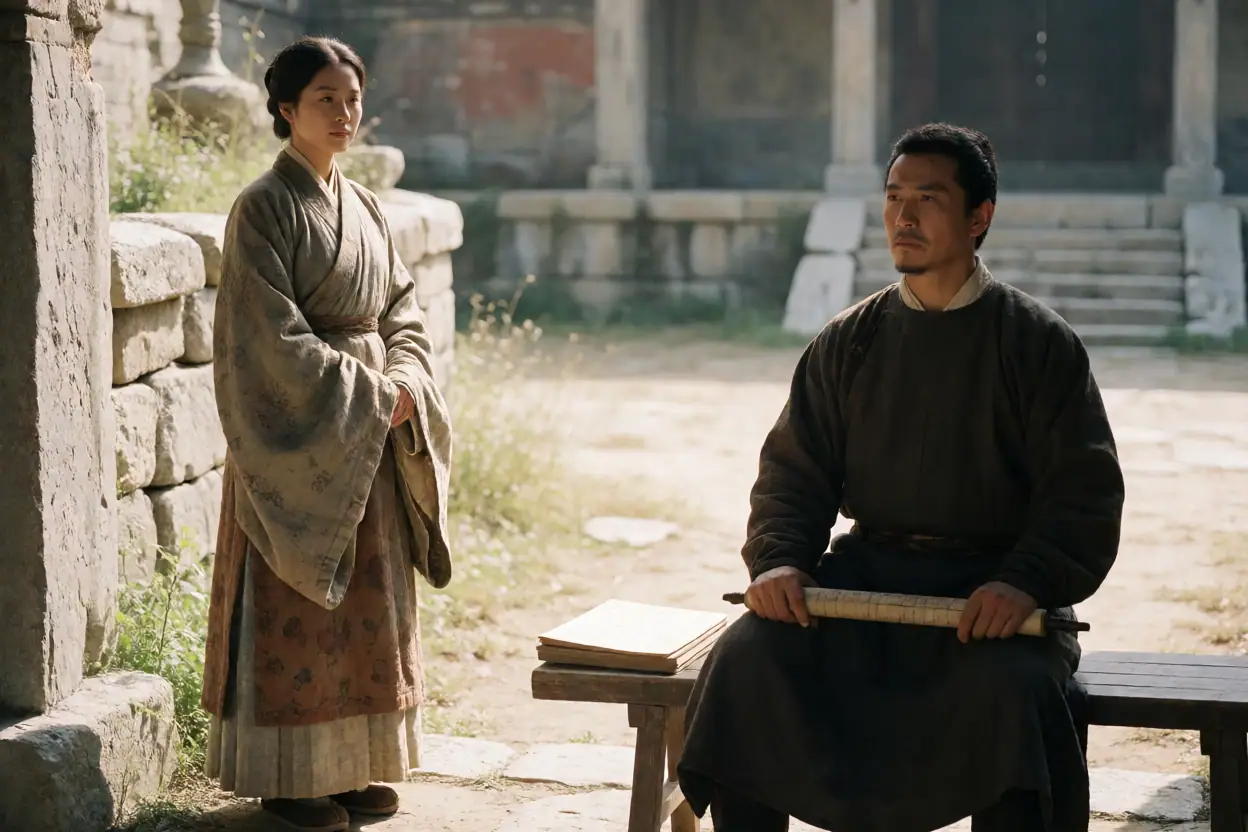
Accounts of the Kui clan are concentrated mainly in the royal political situation during the reign of King Xiang of Zhou. Existing materials state that the Kui clan came from the family of a Di tribal leader. During the Spring and Autumn period, the authority of the Zhou royal house declined, while the Di people of the north gradually extended their activities deeper into the Central Plains; Di tribes were also distributed around Luoyi. The various Di groups had relatively loose ties with one another, and their leaders often migrated with their followers. They therefore differed from the feudal states, which possessed fixed cities, in their political and social structures.
In the seventeenth year of King Xiang of Zhou, or 636 BC, the State of Hua repeatedly shifted its position between Zheng and Wei, prompting Zheng to send troops. King Xiang of Zhou attempted to plead for Hua, but Duke Wen of Zheng detained the Zhou envoy, and relations between the two sides deteriorated thereafter. The sources record that King Xiang of Zhou later adopted the strategy of using the Di to attack Zheng and captured the territory of Li. He subsequently married a woman of the Kui clan, deposed the existing queen, and installed her as queen. This indicates that the marriage was not merely a court alliance, but was also connected with the Zhou royal house’s military choices and diplomatic circumstances at the time.
Accounts of the Kui clan’s personal life contain clear ethical judgments from later generations. The sources state that she was skilled in riding, archery, and outdoor activities, and continued to hunt frequently after entering the palace; they also describe her as having a close relationship with Prince Dai. After learning of this, King Xiang of Zhou deposed her. Fearing that they would be implicated, Tui Shu and Tao Zi fled with Prince Dai to Di territory and prompted the Di ruler to attack Zhou because his daughter had been deposed. The Zhou army was defeated, King Xiang of Zhou fled to Zheng, and Fu Chen and members of his clan also died in the fighting.
After the Di army entered Luoyi, Prince Dai briefly proclaimed himself king and reinstated the Kui woman as queen; the two later moved outside the capital to Wen. Details of this period may vary among different historical texts, commentaries, and later narratives, and the image of the Kui woman has often been framed by male political conflicts and traditional judgments of feminine virtue. Accordingly, when reading this story, historical events, political propaganda, and literary expression should be considered separately; the full facts cannot be reconstructed solely from moral labels applied to the individuals involved.
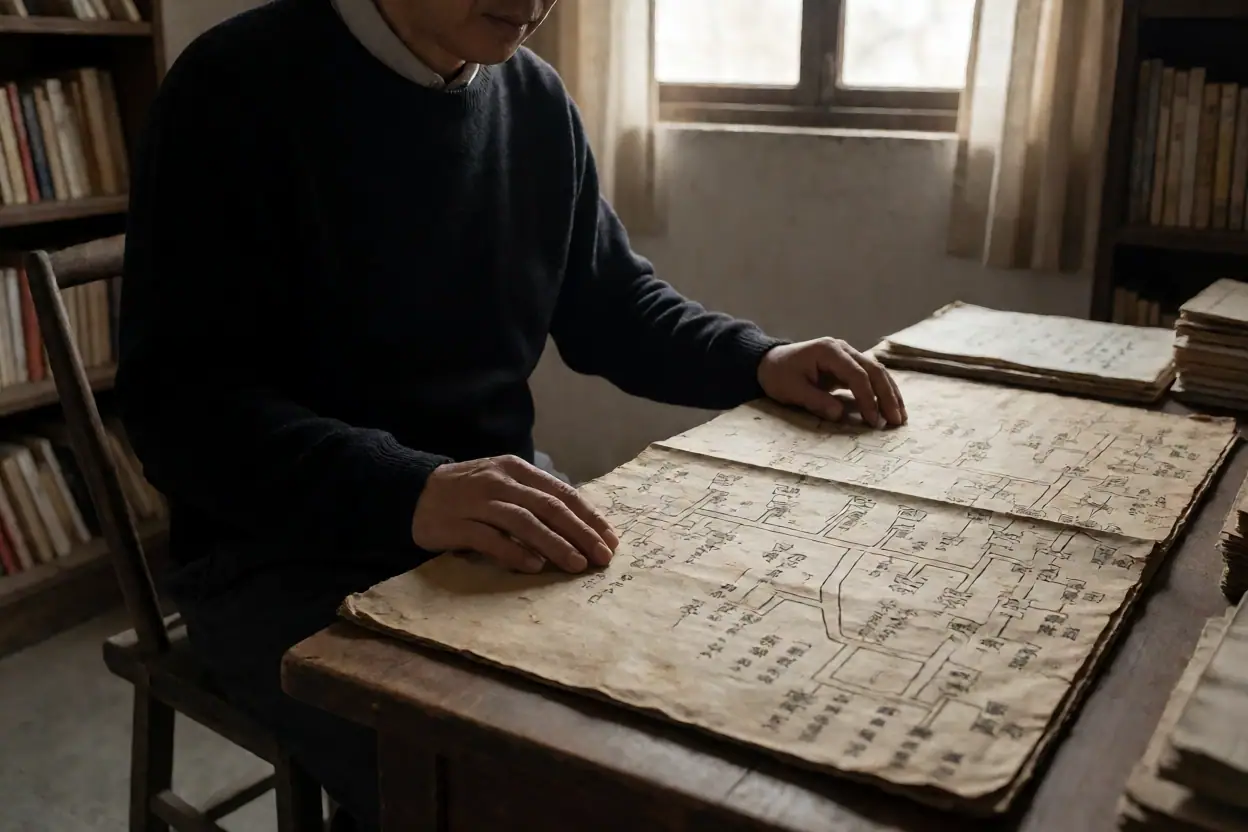
From the perspective of surname studies, the Kui surname has historically been characterized by multiple origins and the coexistence of regional branches. Existing surname sources list Xiapi, Pengcheng, and Henan as relevant commanderies or regional clues, and also record the hall name “Xiapi Hall.” Records of Kui-surname distribution are also found in Hubei, Hunan, Henan, Jiangxi, Anhui, and other areas. However, sharing a surname does not mean sharing the same lineage. Whether the historical Kui woman has a continuous genealogical connection with any specific present-day family must be examined generation by generation in conjunction with original genealogies, tomb inscriptions, prefaces and postscripts to clan records, local gazetteers, and migration records. When tracing one’s roots, it is advisable to first organize information on ancestral residences, generation names, the first ancestor to migrate, ancestral halls, and marriage and burial records, then cross-reference it with online genealogies and local gazetteers, avoiding the assumption that legends, commandery origins, or hall names directly establish a confirmed ancestral origin.