A Brief Account of the Heyuan He Clan’s Lianping Fellowship and Mutual Aid Activities
An activity record indicates that He clan members in Heyuan, Lianping, and other areas held an annual fellowship and mutual-aid review event on January 8, featuring a work review, public-welfare mutual aid, visits to elderly members, and cultural visits. Because the publication date in the record conflicts with the year of the activity, the specific date and the positions held by some individuals still require verification.
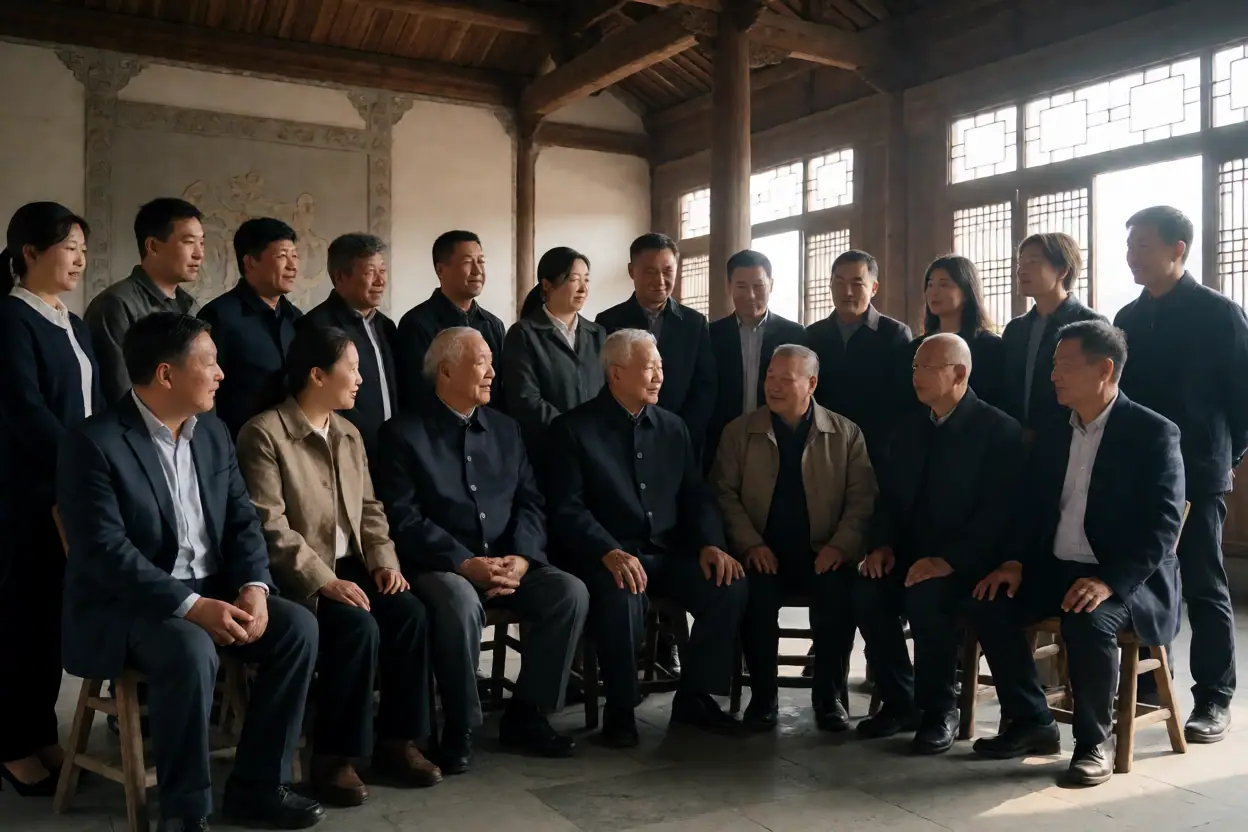
According to the available activity records, He clan organizations in Heyuan and surrounding areas held an annual fellowship and mutual-aid review event in Lianping, Guangdong, on January 8. The event was organized by a Heyuan-area He clan organization and hosted by a local Lianping clan fellowship organization. Representatives of the clan from Lianping, Heping, Longchuan, Dongyuan, Zijin, Foshan, and Xinfeng and Dingnan in Jiangxi attended. The record links the gathering to a review of work for 2016, but gives its publication date as January 13, 2014. The two dates are clearly inconsistent, so the year in which the event actually took place cannot be determined from this record alone.
The event combined fellowship, public-welfare activities, and local cultural exchange. After signing in, attendees, led by a local lion and dragon dance team, visited “Lujiang Tower” and took a group photograph. A meeting was then held, at which the relevant officials separately reviewed the year’s fellowship work, mutual-aid affairs, and the construction preparations for Lujiang Tower; representatives of clan organizations from various areas also delivered remarks. The meeting record also notes expressions of thanks to those who supported the event, the handling of relevant matters for mutual-aid association members, and visits to elderly directors of the Lianping He clan organization. A group luncheon at noon continued the communication among clan members from different areas.
From the perspective of surname culture, “Lujiang” is relatively common in narratives concerning He clan culture. ZongMai surname resources list Lujiang, Donghai, and Chen Commandery as common commanderies of origin associated with the He surname, and include “Lujiang Hall” among its hall names. Areas with relatively large He populations include Sichuan, Guangdong, Hunan, Jiangxi, and Anhui. However, commanderies of origin and hall names primarily reflect historical and cultural identity; they cannot directly prove that all people using the same hall name or sharing the He surname belong to a common lineage that can be traced continuously. Regarding the origins of the He surname, the sources include the common explanation that some members of the Han clan became He through phonetic evolution, but the origins of different regions and branches may not be the same. They should still be corroborated against the genealogy, inscriptions, and local documents of the relevant branch.
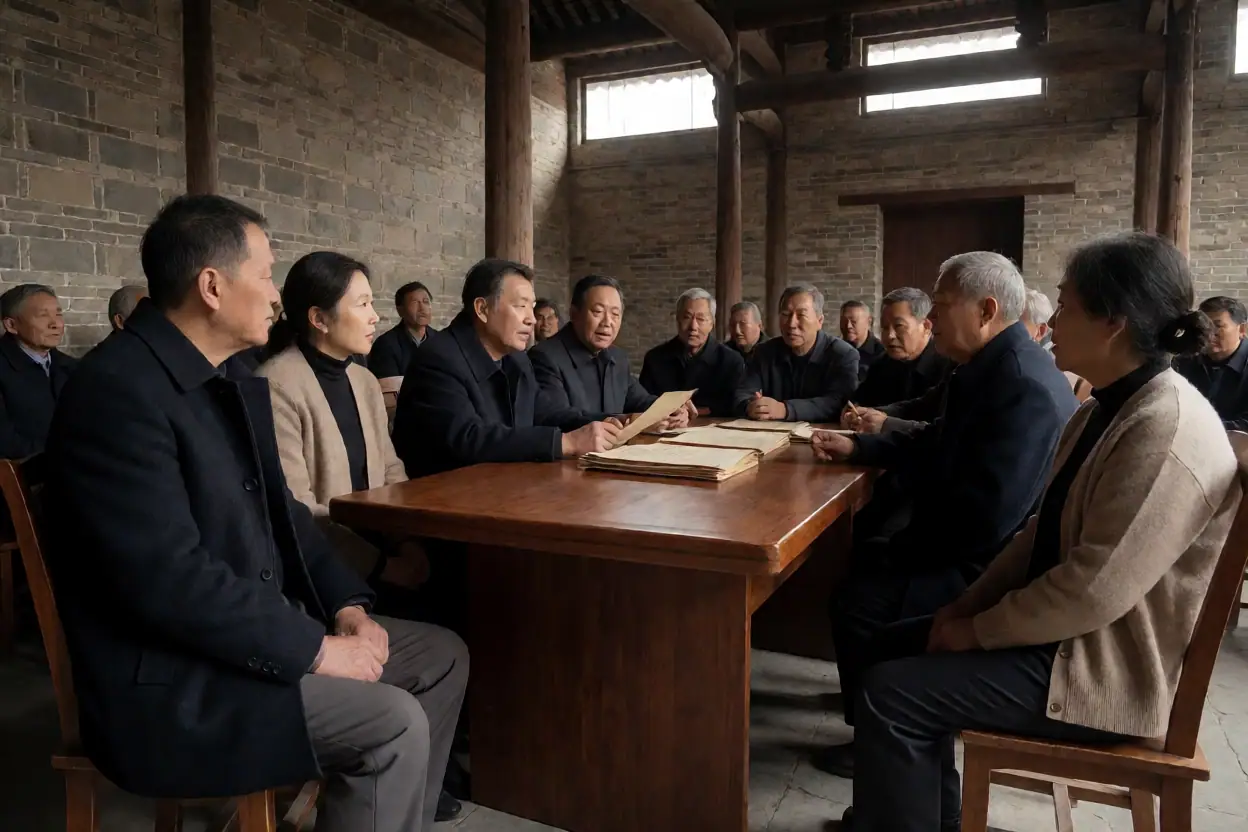
To further trace the He branches in Heyuan and Lianping involved in this event, one could first locate the old genealogies preserved by each branch, inscriptions at ancestral halls, epitaphs at ancestral graves, and records concerning the construction of Lujiang Tower. These can then be compared with accounts in local gazetteers of village developments, population migrations, and clan history to verify the founding ancestor of each settlement, migration locations, and generational relationships. Online genealogies are suitable for bringing together scattered genealogy pages and establishing links among individuals, while family memoirs can preserve firsthand accounts by participants of fellowship activities, mutual aid, and ancestral-hall construction. Oral accounts should identify the narrator, the time of recording, and the evidence on which they are based; they cannot directly replace genealogies and archival records.
The value of such annual gatherings lies not only in connecting people who share a surname, but also in leaving contemporary records of family activities that later generations can verify. Preserving meeting notices, sign-in registers, work reports, donation and condolence records, original photographs, and construction materials, and cross-checking them against local gazetteers and genealogy entries, can help turn a fellowship event into a more complete record of family memory. As for whether participants from different areas belong to the same lineage and which branch they belong to, each branch still needs to be verified individually. No conclusion should be drawn directly from a shared surname or the common use of the “Lujiang” cultural designation.
Learn More and Verify
- Yihuang, Jiangxi Hu Clan Ancestral Hall: An Ancestral Hall and Local Family Memory
- The Rise and Decline of the Rong Clan Ancestral Hall in Fuxing Township, Rong County, and Local Memory
- Shaohuitang Liu Clan Genealogy, Volume Six: Exploring Family Memory Through Clues in the Volumes
- Local Memory of the Qu Clan Ancestral Hall in Baisha, Yangxin, and the Legends of Liyang
Genealogy Knowledge and Methods for Compiling Genealogies · Finding Genealogies and Local Gazetteers · Organize family-root-seeking leads