The Legend of the Wutan, Taojiang Xue Clan’s Founding Ancestor and Clues from the Genealogy
Records concerning Xue Ang, regarded as the first ancestor of the Wutan Xue clan to settle there, combine his official career, warfare in the lake region during the Southern Song, and migration legends to outline a thread of family memory extending from Qiantang to Hunan. However, his lineage, activities, and burial place still require cross-checking against clan genealogies, local gazetteers, and material evidence.
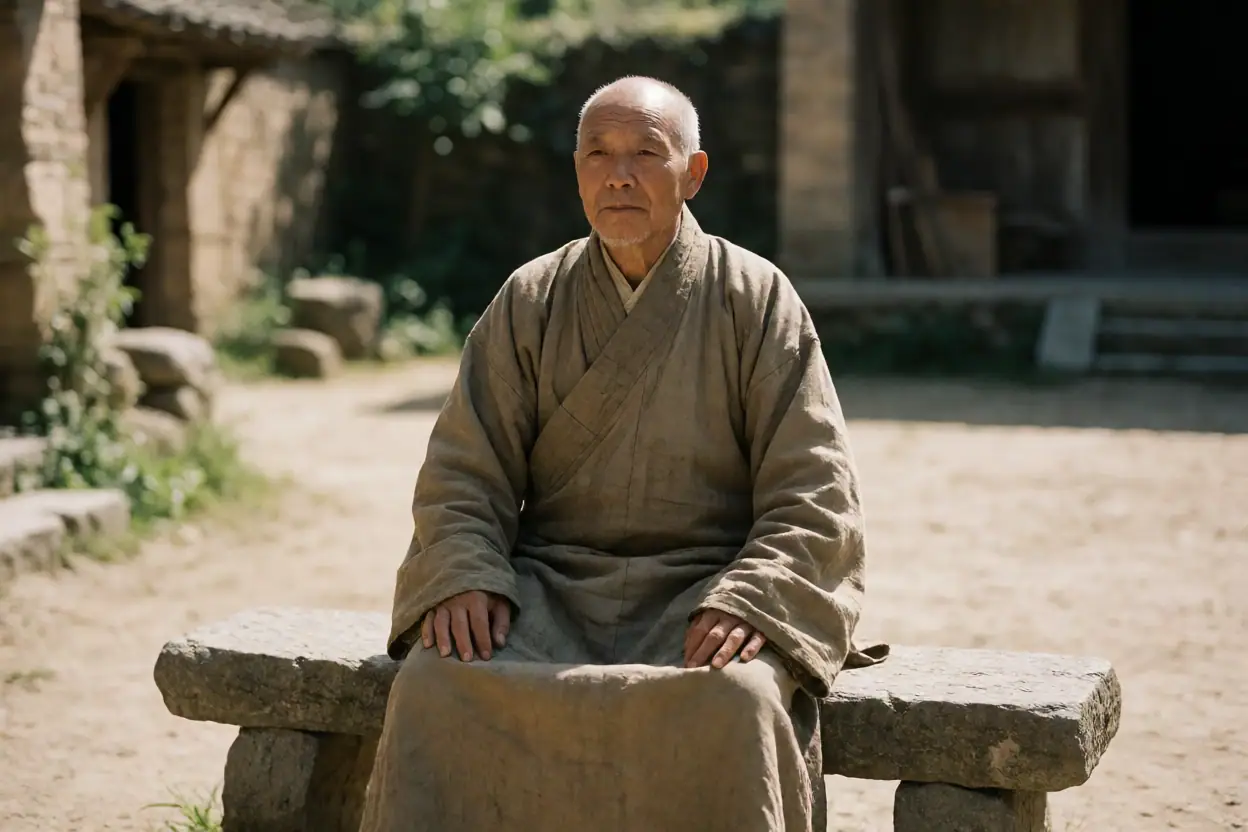
In the Wutan area of Taojiang, Hunan, members of the Xue clan have long passed down the account that Xue Ang was the first Xue ancestor to settle locally. Related accounts state that Xue Ang was originally from Qiantang in Hangzhou, Zhejiang. He passed the examinations as a young man and later served successively as an Erudite at the Imperial Academy and as a Collator, and also held positions in the Ministry of Justice, the Ministry of War, and other offices. Existing records of his official career are relatively complete, but the specific offices, terms of service, and connections between them should still be verified against official histories of the Song dynasty, local gazetteers, and original clan genealogies.
Family legend connects Xue Ang with warfare in Hunan during the early Southern Song. According to the account, turmoil broke out in the Dongting Lake region during the Shaoxing period, and Xue Ang assisted Yue Fei in restoring order, after which he resigned from office because of his advanced age. He then traveled from the Changsha area to Longgongtan Shawei—or, according to another account, Shanshu Village—and ultimately settled near present-day Wutan. The different accounts describe the place of migration inconsistently, suggesting that this episode may have undergone long-term transmission and reshaping through local oral tradition. Its final place of settlement therefore cannot be determined solely from any single account.
According to the legend, Xue Ang spent his later years farming and studying, raised descendants locally, and was buried at Shexing Mountain in Hongyanzui, Cangshui Village. The burial site, former residence, and distribution of descendants are important clues for determining whether the founding-migration narrative corresponds to actual family branches. If tombstones, stele inscriptions from ancestral halls, contracts, ritual registers, or early genealogy pages are still preserved locally, such materials are often more helpful than later summaries in clarifying dates, kinship relations, and migration routes.

It is especially important to note that people surnamed Xue are widely distributed, and sharing a surname does not mean sharing the same lineage. Whether all of the Wutan Xue clan descended from Xue Ang’s branch cannot be determined solely from the surname, ancestral hall name, or a shared legend. A more reliable approach is to compare the lineages, generation names, places of residence, and burial records in surviving clan genealogies with variant readings in online genealogies, then combine these with family memoirs, oral accounts, and local gazetteers preserved by clan members to seek, generation by generation, a chain of evidence that can be brought into a coherent whole. For branches that migrated elsewhere, attention should also be paid to marriage, adoption, changes in household registration, and revisions to the genealogy after migration.
Surname databases can be used to trace the distribution of the Xue surname and related documentary clues; online genealogies are useful for comparing different versions; family memoirs help preserve modern and contemporary oral history; and local gazetteer databases can be searched for changes in place names, accounts of notable people, and information about tombs and ancestral halls. If future genealogical research obtains original genealogy documents or clear images, it is advisable to first record the genealogy title, compilation date, compilers, location where the genealogy is held, and complete page numbers. Xue Ang’s birth and death dates, official positions, migration, and burial place should then be separately labeled as “recorded in the genealogy,” “recorded in a gazetteer,” or “hearsay,” so that family memory is not directly treated as established historical fact.