What the Xie Ancestral Hall Celebration in Qingyun Town Reveals About Local Clan Memory
On February 18, 2022, the Xie Ancestral Hall Celebration and Ancestor Worship Ceremony was held in Qingyun Town, Linsu County, accompanied by a New Year cultural performance. The event presented multiple facets of local society, including the continuation of ancestor-worship traditions, the strengthening of ties among clan members, and the sharing of festive culture. It also suggests that the origins and development of the family still require careful verification in conjunction with genealogical records and local documents.
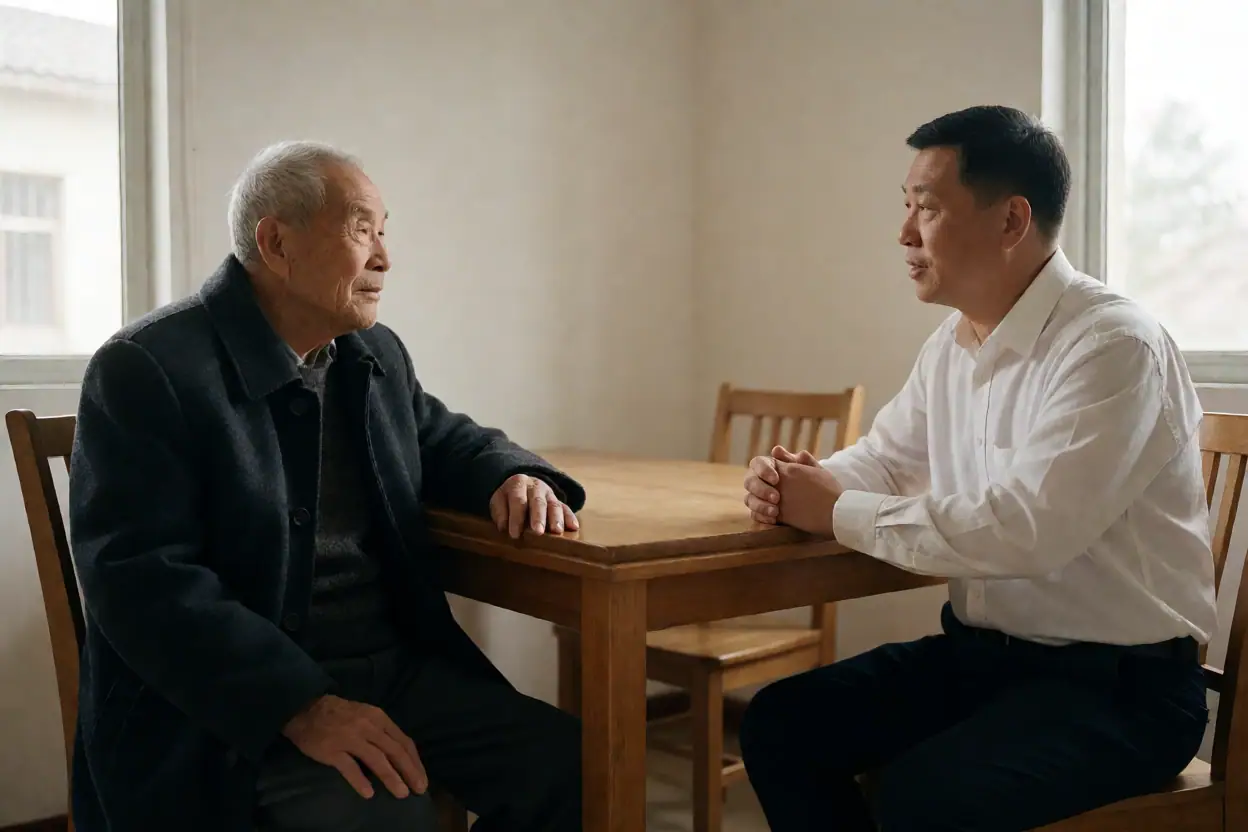
On February 18, 2022, the Xie Ancestral Hall Celebration and Ancestor Worship Ceremony was held in Qingyun Town, Linsu County, followed by a New Year cultural performance organized by Zhucui Community. Public information indicates that more than 300 people took part in the performance, which attracted more than 1,000 spectators from surrounding areas. The celebration and community cultural activities held in succession made the ancestral hall not only a place for venerating ancestors but also a space that carries the shared memories of neighbors and clan members during their interactions and festivals.
From the perspective of family culture, ancestral hall celebrations typically include ancestor worship, honoring the clan, and social fellowship. Through rituals, oral accounts, and public activities, participants express their remembrance of their forebears and reaffirm the emotional ties among family members. However, an ancestor-worship event can establish only that a group bearing the relevant surname and its public cultural practices exist locally. It cannot, on that basis alone, establish that all people surnamed Xie descend from the same founding ancestor, nor can the name of an ancestral hall alone confirm a complete lineage, migration route, or affiliation with a particular ancestral hall name.
The origins and development of the Xie surname may involve multiple parallel branches in different regions. When studying a specific branch, researchers should first cross-check inscriptions from ancestral halls, prefaces to genealogy compilations, genealogical lineages, burial records, and local gazetteers, while comparing generation names, places of residence, marital relationships, and migration milestones. Online genealogies can help organize clues about individuals and branches; family memoirs can preserve oral traditions; and genealogical research and ancestor tracing can begin by establishing preliminary connections through names, native places, and kinship relationships. However, this information still needs to be cross-verified against original documents or local archives.

Surname research should also bear in mind that sharing a surname does not mean sharing the same clan origin. Existing surname materials indicate that the Dai surname itself has multiple proposed origins, and references are also made to Gaoyang, Henan, and Pingyuan as commandery affiliations or regional designations. Related branches are distributed across Yunnan, Guizhou, Sichuan, Guangxi, Hunan, and other places. This shows that commandery affiliations, ancestral hall names, and regional distribution can serve only as directions for research and cannot independently establish blood relationships. For the Xie clan in Qingyun Town, further clarification of the history of local branches still requires the local gazetteers, physical evidence from ancestral halls, different editions of genealogies, and written materials preserved by family members to be compared item by item before a relatively well-grounded conclusion can be reached.
Learn More and Verify
- Yihuang, Jiangxi Hu Clan Ancestral Hall: An Ancestral Hall and Local Family Memory
- The Dingxing Lu Clan’s Ancestral Cemetery and Ancestral Hall: A Local Family Memory
- The Jing Clan’s Local Lineage Activities and Genealogical Memory Organization
- The Xie Clan Ancestral Hall in Ge Village, Zhenjiang: Family Memory in the Preservation of Historic Architecture
Genealogy Knowledge and Methods for Compiling Genealogies · Finding Genealogies and Local Gazetteers · Organize family-root-seeking leads