The Presentation of the He Clan’s Sixth Revised Genealogy: A Solemn Handover of Family Documents
On September 4, 2014, a video recording concerning “the presentation of the He Clan’s sixth revised genealogy” attracted attention. The available clues primarily point to the presentation’s subject and publication date; the specific location, participants, and genealogical content still require further verification against the original footage and genealogy texts.
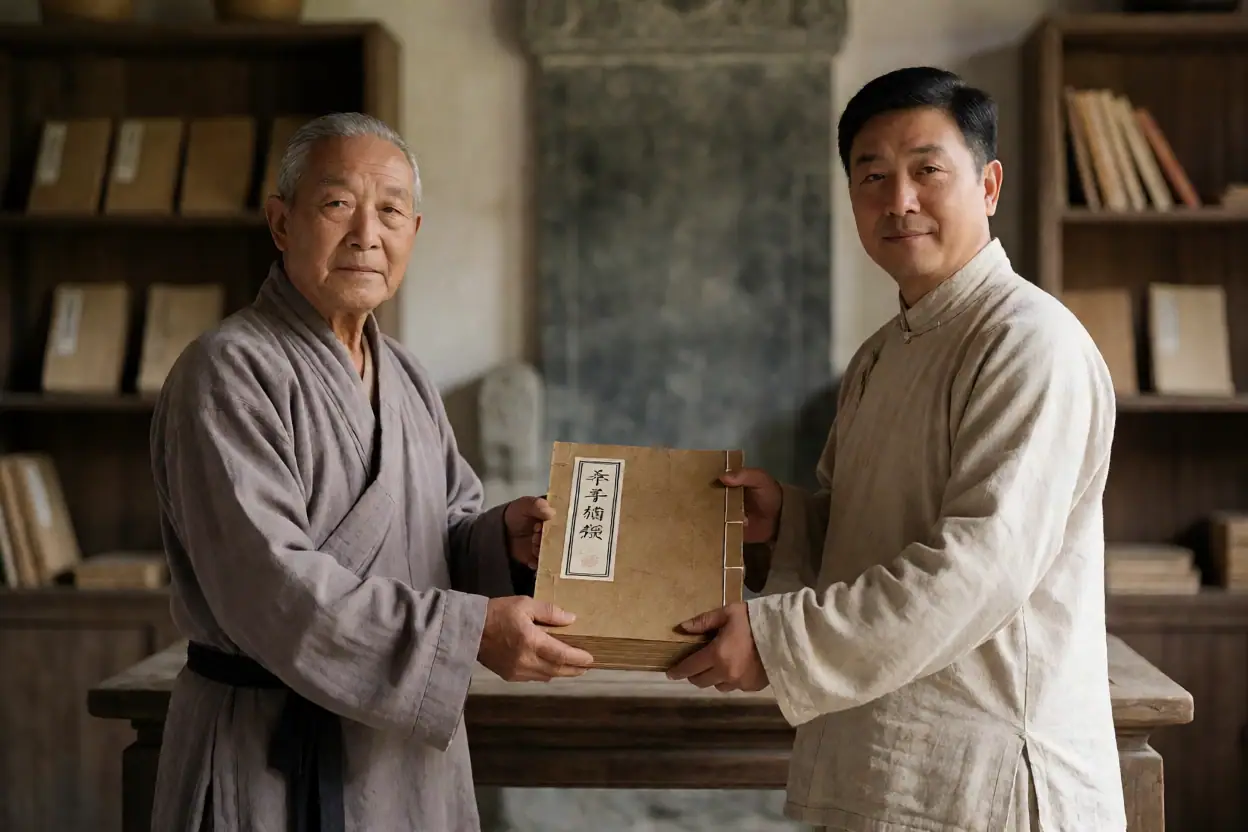
The presentation of a genealogy is a ceremonial stage in the traditional process of compiling and revising genealogies. It generally signifies that a genealogy, after being organized, verified, and printed, begins to be handed from its compilers to the various branches of the family or to its custodians. For a family, a genealogy is not merely a volume recording names; it may also preserve memories of migration, clues to lineage, generational naming conventions, the history of ancestral halls, and accounts of ancestors’ lives. Therefore, the value of footage showing a genealogy presentation often lies not only in whether the event was lively, but also in the fragments it leaves for later generations of how family documents were organized, preserved, and passed on.
Available public clues indicate that the relevant material was titled “Video of the Presentation of the He Clan’s Sixth Revised Genealogy” and was published on September 4, 2014. The “sixth revision” in the title indicates that this branch of the He clan may have had a tradition of compiling or revising its genealogy multiple times. However, this designation alone cannot establish its specific founding ancestor, the dates of its genealogical revisions, or its areas of distribution, nor can it support the inference that all people surnamed He belong to the same lineage branch. The location of the presentation, participating relatives, number of volumes, compilers, and content of the genealogical preface should still be mutually corroborated through the video footage, the original genealogy, its prefaces and afterwords, editorial notes, and local historical materials.
When researching the history of the He family, the surname can serve only as an entry point for searching; it cannot replace proof of lineage. Families sharing the same surname may have originated in different regions and from different ancestral branches, while later generations may have become distributed in complex ways through migration, marriage, flight from unrest, changes in household registration, and other factors. A more reliable approach is to first record the specific place names, personal names, style names, generational sequence, and dates documented in the genealogy, and then compare them with tombstones, ancestral-hall inscriptions, local gazetteers, contracts and other documents, and family recollections. For legendary ancestors from earlier periods, ancestral regional designations, or hall names mentioned in a genealogy, family traditional narratives should likewise be distinguished from historical facts that can be independently verified.
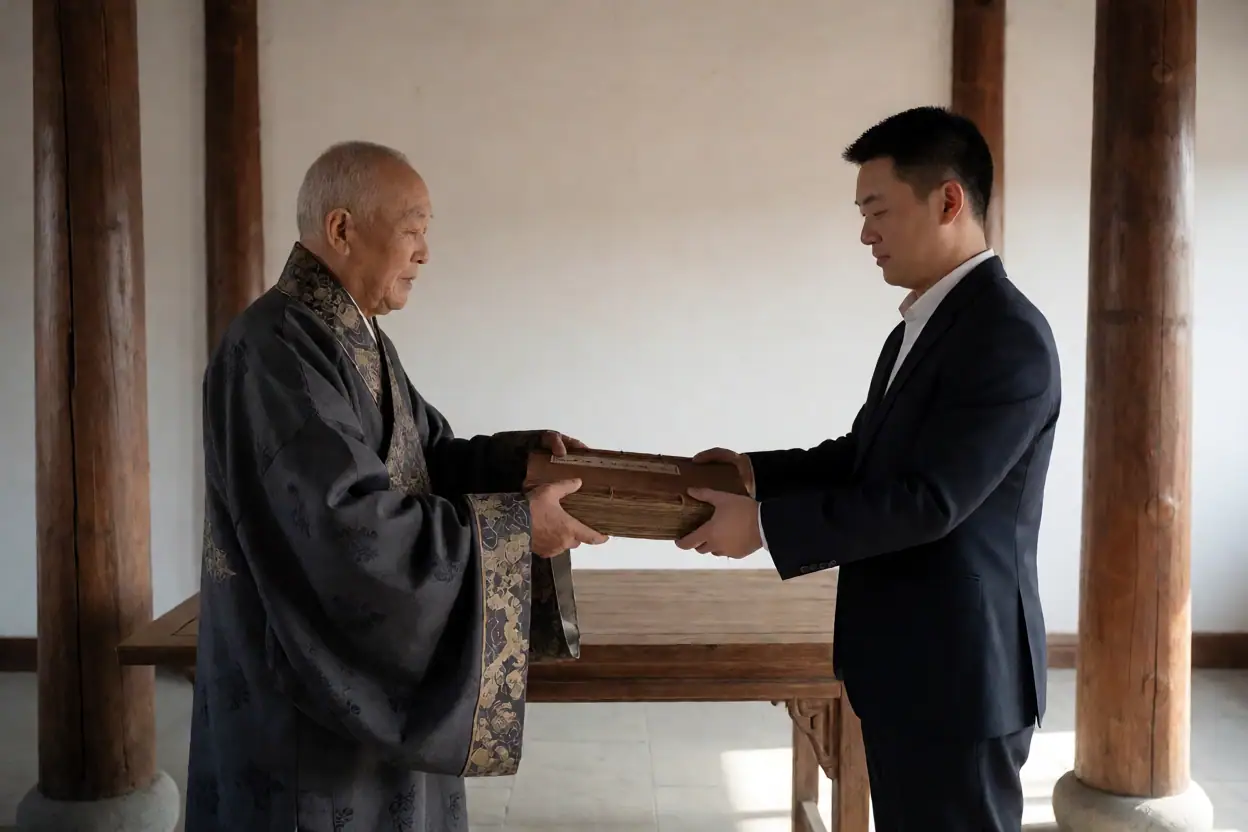
Online genealogies are suitable for organizing known family relationships, marking points of uncertainty, and preserving different versions. Family memoirs can supplement accounts of relocations, local terms, and memories of modern and contemporary life. Local gazetteers can help verify changes in village history, people’s activities, and administrative divisions. Surname databases can help define the scope of searches concerning the He surname and related surnames, but they cannot directly prove that one He lineage branch shares a common ancestor with other He branches. To reconstruct the specific lineage branch behind this “sixth revision” genealogy, it is still necessary to obtain images or textual content of the genealogy and verify each item against genealogical research leads, avoiding the mistake of treating a record of a ceremony as a complete conclusion about the lineage.