Xiamen Shangguan Clan Conducts Visits to Honor the Elderly, Family Memories Continued Through the Visits
According to available records, the Xiamen Shangguan (Guan) Clan Fellowship Association organized visits to honor elderly relatives in early spring 2026, visiting clan members who were advanced in age, living alone, or experiencing difficulties in daily life. The activity not only reflects the tradition of respecting the elderly but also provides practical clues for organizing family memories and examining branch relationships.
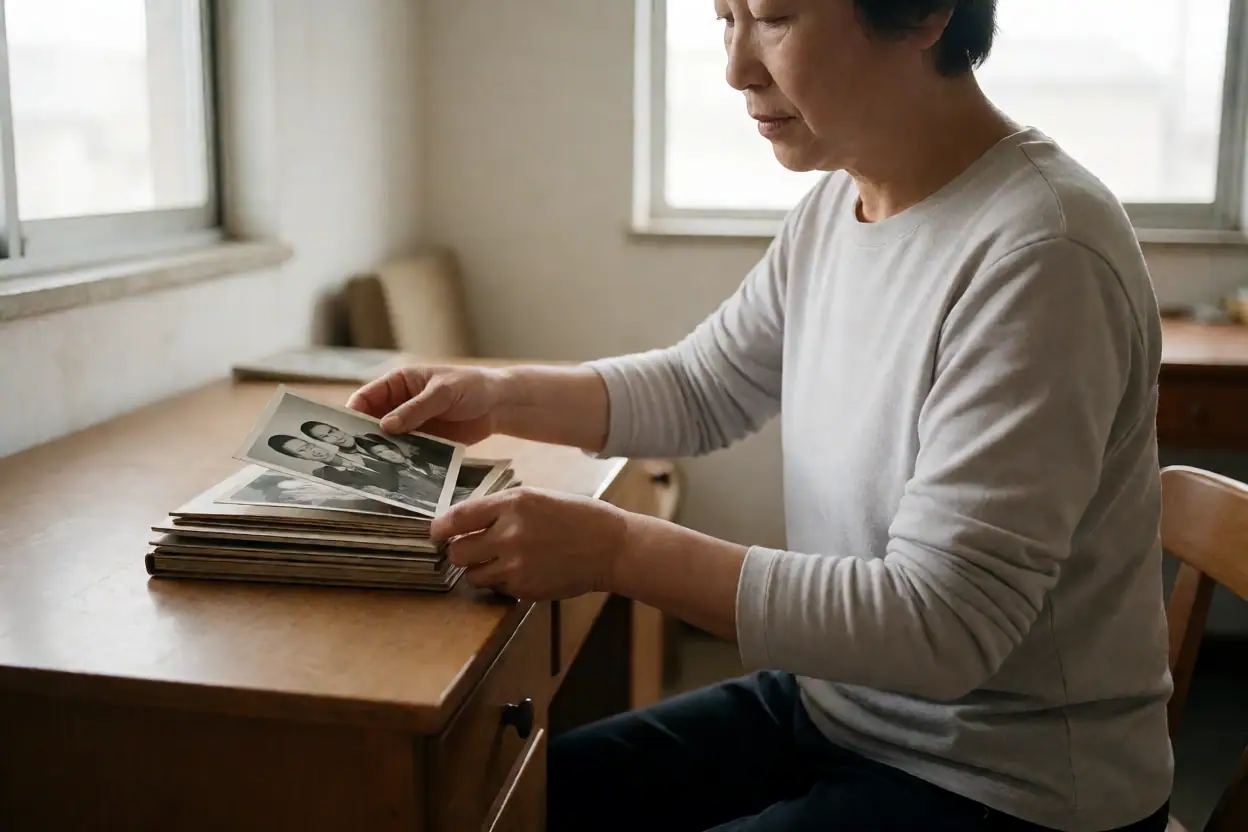
According to available records, the Xiamen Shangguan (Guan) Clan Fellowship Association carried out visits to honor elderly relatives in early spring 2026 under the theme “Respect the Elderly and Honor the Worthy; Warmth for Fellow Clan Members.” The activity focused on elderly family members, older people living alone, and clan members experiencing difficulties in daily life. Core members and clan representatives conducted the visits in groups, bringing nutritional products, holiday gift boxes, and other supplies, while learning about the elders’ health, daily living conditions, and practical needs.
The significance of such visits extends beyond providing material assistance. When speaking with the elders, participants also hear oral accounts of relocations, the lives of ancestors, and past family events. For many traditional families, genealogical records may have been lost in part, continued inconsistently, or contain incomplete accounts of different branches. Elders’ memories, old place names, ancestral forms of address, generation-order information, and the remains of ancestral halls may all serve as supporting clues for subsequently organizing family lineages. However, oral accounts still need to be cross-referenced with genealogies, gravestones, local gazetteers, and other historical records; lineage relationships cannot be established solely on the basis of a single memory.
ZongMai surname materials indicate that commonly cited ancestral-seat and settlement clues for the Shangguan surname include Tianshui, Longxi, and Henan. The relevant materials also list Gansu, Henan, Shaanxi, Hunan, and Hubei as relatively common areas of distribution; “Tianshui Hall” is one of the hall names found in the materials. Traditional accounts of the early origins of the Shangguan surname are often associated with Shangguan Yi in the State of Chu and related official positions and branches. However, the focus of genealogical records, compilation dates, and methods of transmission differ across regions, so it cannot be directly inferred that all people with the Shangguan surname or the Guan surname descend from a single lineage.
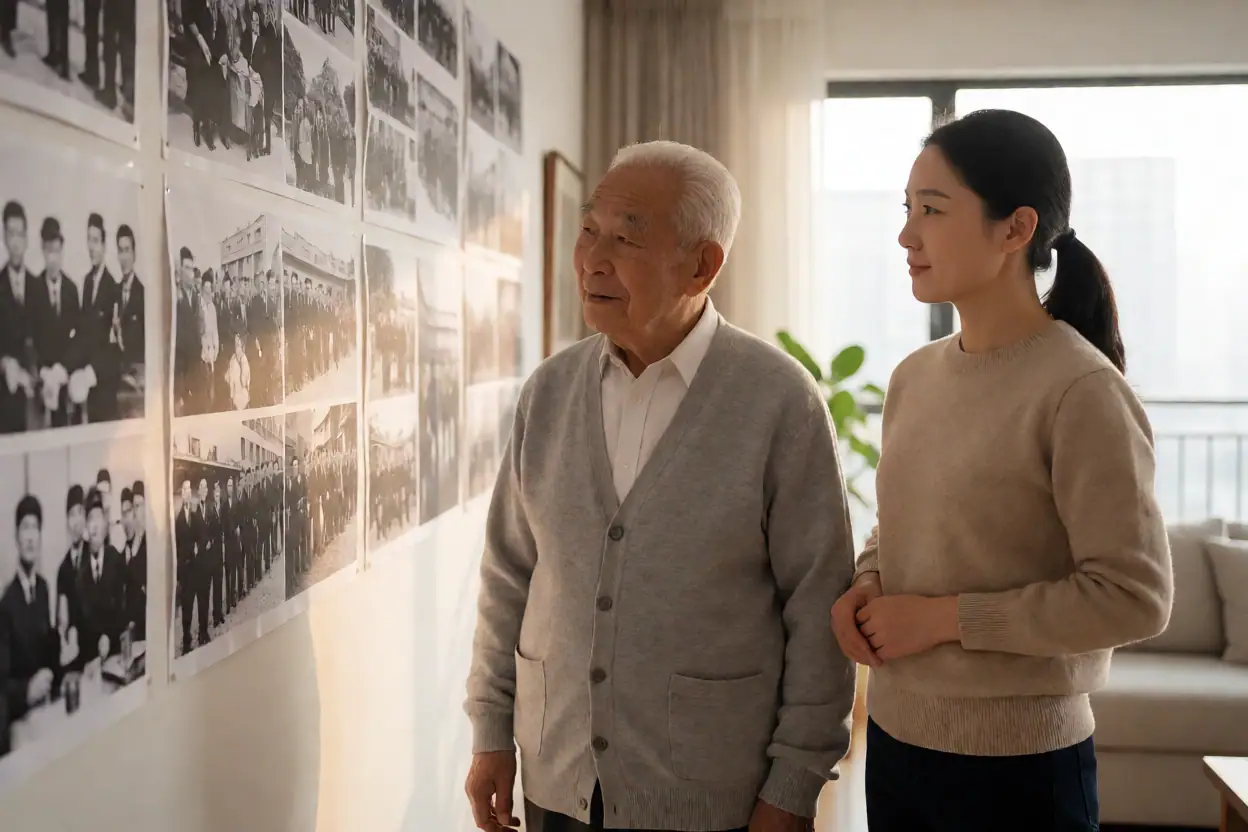
The visits by clan members in Xiamen illustrate one way in which a local community maintains family ties and records family traditions through everyday contact. If the family memories gathered during the visits are promptly organized, with the narrator, location, relationships among the people involved, and verifiable time range identified, they can provide foundational material for updating online genealogies and compiling family memoirs. If subsequent research involves migration routes, the continued use of hall names, connections between generation names, or ancestral affiliation, each point should still be verified against local gazetteer databases, extant genealogies, and physical evidence to avoid mistakenly treating people with the same surname, the same hall name, or similar place names as members of the same lineage.
Learn More and Verify
- Niu Clan Qibin Genealogy: Family Memory Through Clues from a 1527 Genealogy Manuscript
- Yihuang, Jiangxi Hu Clan Ancestral Hall: An Ancestral Hall and Local Family Memory
- The alumni sentiment and family memories behind a donation
- Shaohuitang Liu Clan Genealogy, Volume Six: Exploring Family Memory Through Clues in the Volumes
Genealogy Knowledge and Methods for Compiling Genealogies · Finding Genealogies and Local Gazetteers · Organize family-root-seeking leads