From Northward Migration from Shu to Hedong: Historical Clues in the Wanrong Xue Clan’s Memory
Accounts of the Wanrong Xue clan place its migration into Hedong in the late Cao Wei period and connect it with the northward relocation of powerful families from Shu, Fenyin’s strategic position, and the clan’s growth and reproduction. The existing clues still need to be corroborated against official histories, local gazetteers, and genealogies.
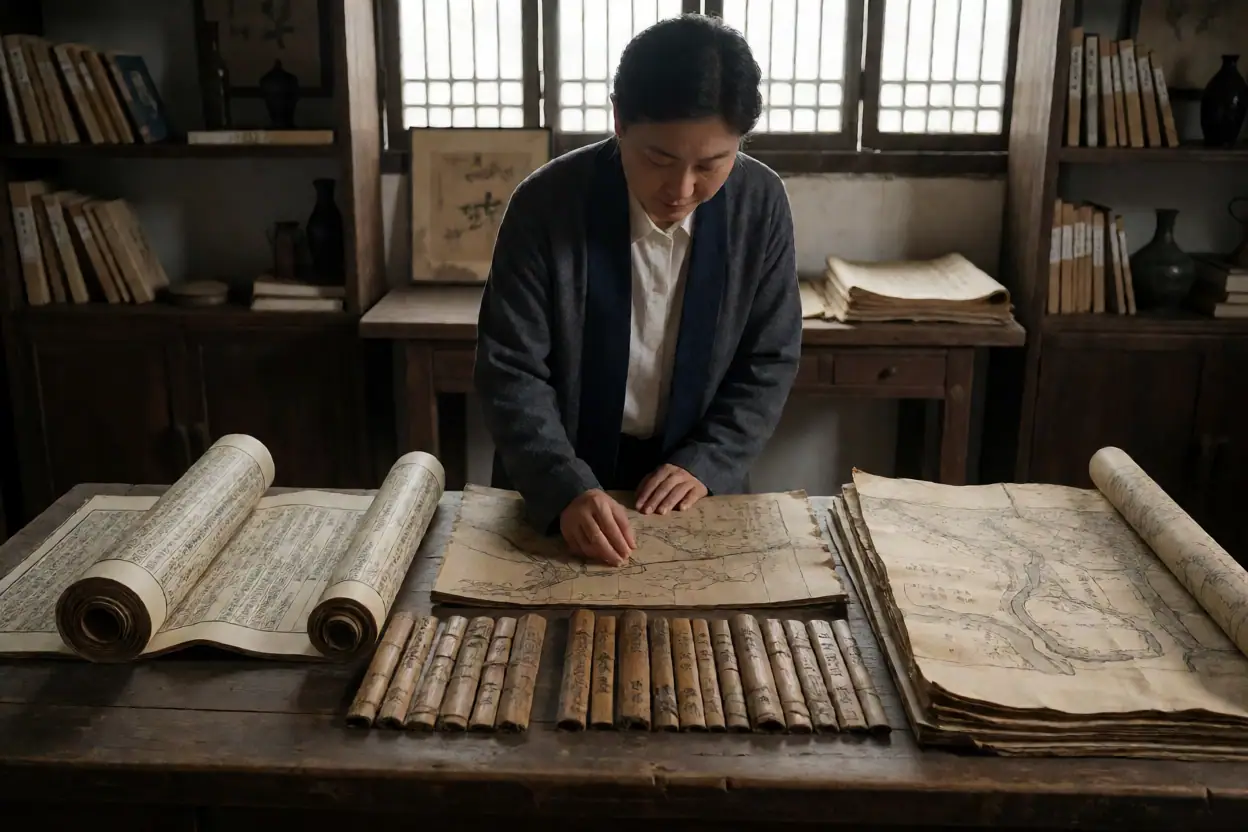
The Wanrong area was known in ancient times as Fenyin. Located in the heart of Hedong, it lies west of the Yellow River and near the Salt Lake and Zhongtiao Mountains to the south. The Emei Plain and surrounding areas also offered relatively favorable agricultural conditions. Historical accounts of local clans often regard this area as a point where transportation, military affairs, and salt-industry protection converged. The Xue clan’s development in the area was continuously recorded and recounted against this regional background.
A widely circulated account holds that the Xue clan was originally active in Shu and that, by the late Cao Wei period, following the fall of the Shu state and the policy of relocating local powerful families, some members of the Xue clan were resettled in Fenyin, east of the Yellow River. The account also mentions that the Xue population in Shu was relatively large and that the clan leader Xue Qi had served as Administrator of the Ba and Shu commanderies, causing the clan to receive particular attention during the migration. If this lead can be cross-verified through contemporary historical records, epitaphs, local documents, and early genealogical records, it would help clarify the historical background of the Xue clan’s movement from Ba-Shu into Hedong.
After moving into Hedong, the Xue clan’s identity was more than merely a surname label. Whether the clan could continue in the area depended not only on the court’s arrangements but was also closely connected with land, the military and administrative environment, marriage networks, and local social relationships. Related accounts situate Fenyin between the activities of various groups in Bingzhou and the defense framework of Luoyang, maintaining that it played a role in safeguarding Hedong’s salt ponds and linking north–south transportation routes. This geographical interpretation offers a testable direction for studying why the Xue clan formed an important tradition of settlement in Wanrong, but a specific branch cannot be confirmed on the basis of geography alone.

Those tracing the Wanrong Xue clan’s lineage today can compare surname records, online genealogies, family memoirs, and local gazetteers. The founding ancestor who migrated, generation names, ancestral hall names, and lineages recorded in genealogies often reflect a clan’s own memory; local gazetteers, burial materials, and official histories can help verify individuals, dates, and changes in place names. It is important to note that sharing a surname does not mean sharing the same lineage. Outward migration, surname changes, lineage affiliations, and later genealogical revisions may all result in similarities or erroneous connections between genealogies. The account of “migration from Shu to Fenyin” should be preserved as a research lead, with a final conclusion deferred until more original materials emerge.