Xie Clan Ancestral Hall in Ge Village, Zhenjiang: Family Memory in the Preservation of Historic Architecture
The Xie Clan Ancestral Hall in Ge Village, Dinggang Town, Zhenjiang, carries the local Xie clan’s ancestral worship traditions and memories of place, while also bearing witness to the changes undergone by the historic village’s architecture over time. Available sources indicate that the hall has been listed as a municipal-level heritage site, while its history and the legends surrounding the Xie clan’s migration still warrant further verification.
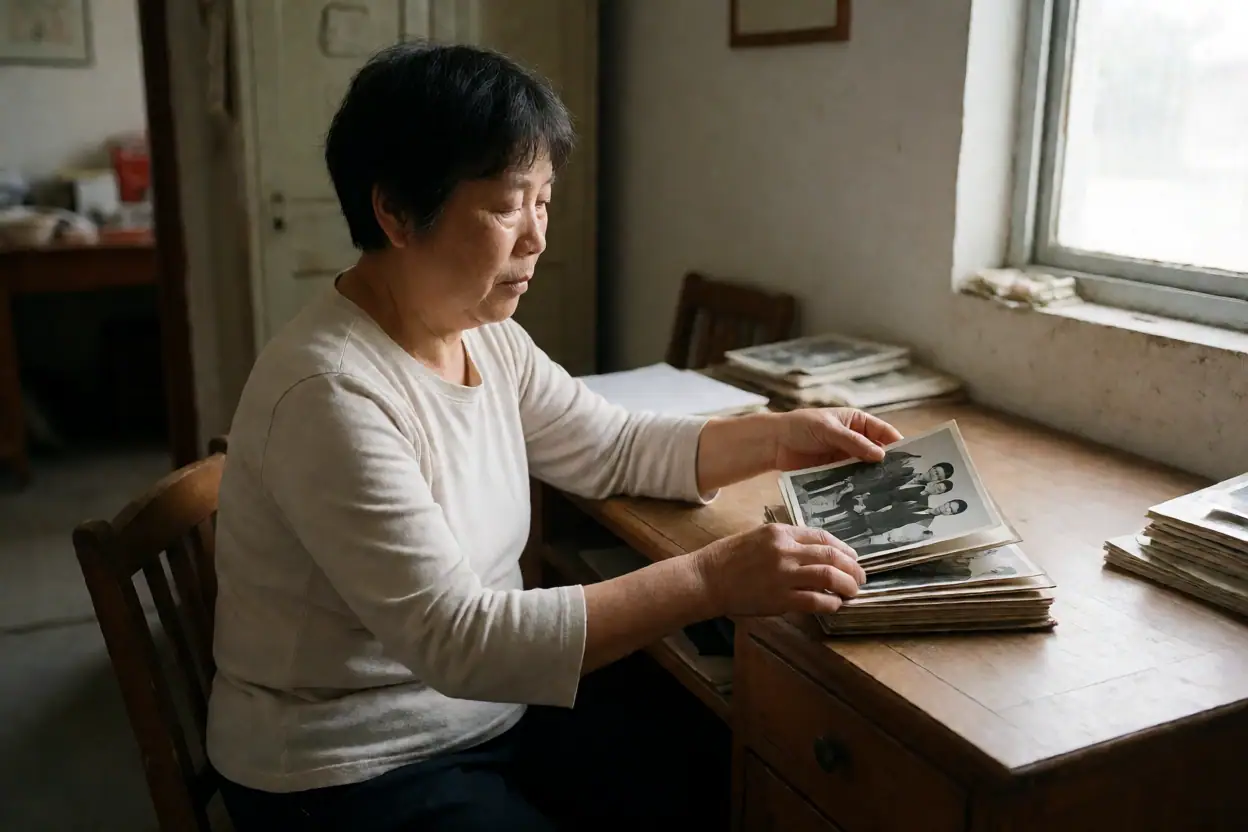
In Ge Village, Dinggang Town, Zhenjiang, the Xie Clan Ancestral Hall is one of the village’s most representative buildings associated with its historical memory. Available sources indicate that the hall was first built in the mid-Ming dynasty as a place where members of the Xie clan worshipped their ancestors and revered forebears. It was later listed as a municipal-level heritage site and officially marked as such. For a clan ancestral hall, preserving its architectural form also means preserving tangible evidence of the village’s social organization, ritual practices, and family memory.
The historic buildings still standing in Ge Village are not limited to the Xie Clan Ancestral Hall. Sources note that the village also retains architectural remains from the Ming and Qing periods, including ancestral halls, Bangyan Gate, grand residences, former residences, and the Watch Drum Tower—approximately 76 sites in total, covering about 11,300 square meters. Together, these remains form Ge Village’s historic spatial fabric. The hall’s setting therefore cannot be understood solely as an individual building; it should also be examined in relation to the village layout, road alignments, residential doorways and thresholds, and local traditions of everyday life.
Existing accounts link the formation of Ge Village to Xie Shouhui. It is said that Xie Shouhui was from Ge Village in Ziyang County, Shandong, and that he followed Emperor Gaozong of the Song dynasty southward in the early Southern Song period amid wartime turmoil. He later came to the area of present-day Ge Village and named his new residence after his hometown. This account reflects the common practice among migrants of expressing their attachment to their native place through place names. However, the relationships among the figures involved, the timing of the migration, the original place name, and the process of settlement should still be further verified against genealogies, local gazetteers, inscriptions, and other contemporaneous sources?
The hall’s preservation was not without setbacks. Sources record that the ancient ancestral hall developed problems such as roof decay and partial collapse after years of disrepair. Later, descendants of the Xie clan, villagers, and people from all sectors of society jointly took part in emergency repairs, with support from the relevant authorities in the New District and Dinggang Town. The significance of the restoration lies not only in recovering the building’s appearance, but also in preserving villagers’ shared understanding of their common history. After the main structural repairs were completed, maintaining the original character, clarifying responsibility for ongoing management, and documenting the restoration process were likewise important aspects of heritage conservation.
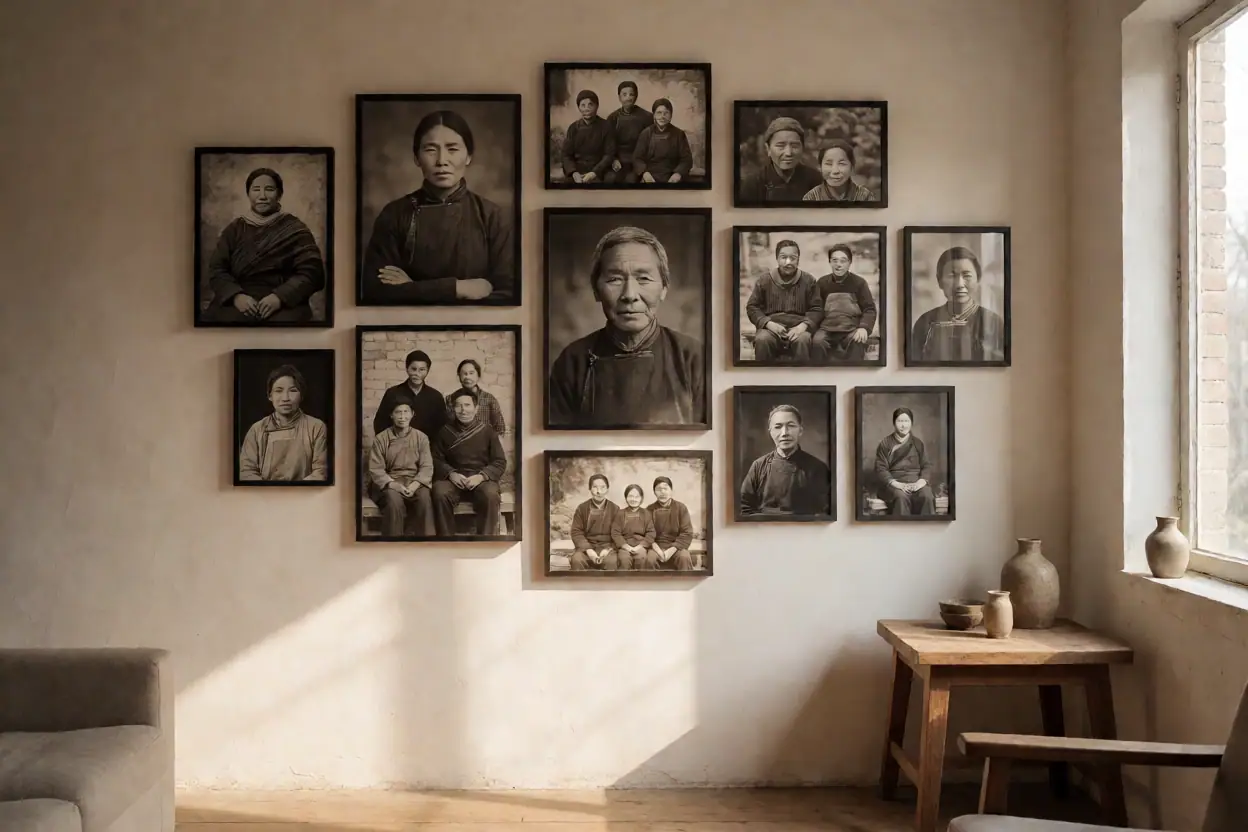
From the perspective of family-history research, the migration legend of the Xie clan in Ge Village cannot simply be equated with a common ancestral origin for all people surnamed Xie. The same surname may represent different branches, and even the same branch may have multiple records as a result of migration, division into separate household branches, rebuilding, and the loss or dispersal of genealogical records. To establish the relationship between the Xie clan of Ge Village and Xie clans in other regions, researchers should consult local genealogies, ancestral-hall inscriptions, epitaphs, local gazetteers, and family memoirs, and compare generational names, lineages, places of residence, and records of marriage and migration. Online genealogy resources can serve as leads for further searches, while local gazetteer databases can help verify changes in village names, administrative divisions, and records of historic buildings. Lineage conclusions should not be drawn solely from a hall name or a legend.
Today, the Xie Clan Ancestral Hall is not only a space for family worship, but also an important window onto Zhenjiang’s vernacular architecture, village transformation, and the transmission of folk culture. Efforts to organize and document its history should give equal attention to architectural surveying, archival preservation, and clan members’ memories, allowing the visible brick and timber elements to corroborate the family narratives passed down from generation to generation.
Learn More and Verify
- Two Visits to the Kuang Clan Ancestral Hall: Family Memories in the Lingnan Water Towns
- Guangzhou Donghu Village Kuang Clan Grand Ancestral Hall: Family Memory in Lingnan Historic Architecture
- Chushi Clan Ancestral Hall in Ziyang, Ankang: Family Memory in a Century-Old Ancestral Hall
- Architectural Imprints and Family Memories of the Dai Clan Ancestral Hall in Daicun, Zhenhai, Ningbo
Genealogy Knowledge and Methods for Compiling Genealogies · Finding Genealogies and Local Gazetteers · Organize family-root-seeking leads