Nurhaci’s “Tong” Surname Designation and Examination of His Cause of Death
In correspondence during the Ming dynasty, Nurhaci once referred to himself as “Tong Nurhaci.” This designation does not conflict with his imperial clan surname. By considering Manchu surnames, Ming–Qing historical sources, and genealogical research, the issue can be approached cautiously from the perspectives of Han Chinese surname usage, marriage traditions, and the Ningyuan campaign.
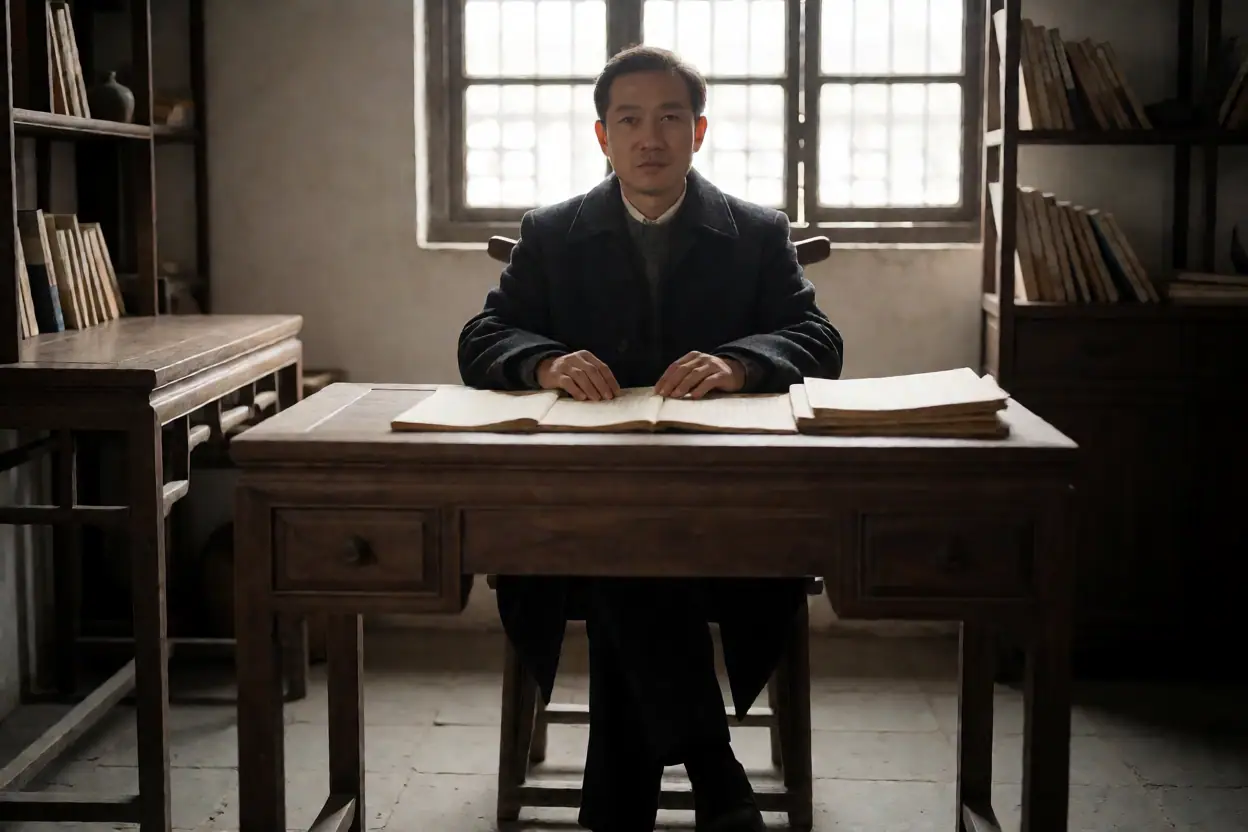
Nurhaci is generally identified as a member of the Aisin Gioro clan. He was a leader of the Jianzhou Jurchens and the founder of the Later Jin regime. However, in some correspondence from the Ming dynasty, he also referred to himself as “Tong Nurhaci,” giving rise to the question of whether Nurhaci’s surname was Tong. To understand this issue, it is first necessary to distinguish between a clan surname, a Han Chinese surname used in external dealings, and standardized designations in later sources. The appearance of different names in different identities and contexts does not necessarily mean that his family lineage had changed.
There are broadly two lines of explanation for the origin of the character “Tong.” One associates it with Nurhaci’s early marital experiences, suggesting that he received assistance from people surnamed Tong and consequently used the Tong surname. However, the details of these stories vary among different accounts, and it is not appropriate at this stage to conclude on that basis that Nurhaci formally married into the Tong family or changed his surname. Qing imperial-clan sources record that his primary consort was a member of the Tonggiya clan and mention such children as Chuying and Daišan. The marriage relationship indicates an affinal connection between the Tonggiya clan and Nurhaci’s family, but it cannot by itself prove that Nurhaci’s own original surname was Tong.
Another explanation holds that “Tong” or “Tong” may have been a Han Chinese surname used by Nurhaci’s family in its dealings with the Ming dynasty. Related records trace his ancestors back to Möngke Temür and indicate that, when this family received official positions and handled tribute, military, and administrative affairs during the Ming, Chinese surnames such as Tong or Tong appeared. Because Jurchen aristocratic clan names, tribal names, official titles, and Chinese-character transcriptions did not correspond one-to-one, “Tong Nurhaci” in these documents is better understood as a designation used in a particular political and diplomatic context. It cannot simply be equated with a fixed, single Manchu surname under the institutions of the Qing dynasty.
From the perspective of surname studies, the Tonggiya clan itself also has multiple explanations of origin, involving such factors as place-names, official titles, and local branches. Traditional sources commonly mention the Wuxing Hall name and also refer to Wuxing, Kuaiji, and Henan as commanderies of origin or areas of distribution. Modern family materials further record related distribution in Jiangsu, Zhejiang, Anhui, Shanghai, and Fujian. However, hall names, commanderies of origin, and current places of residence can serve only as clues for genealogical research. The fact that families share a surname, hall name, or region alone cannot establish that they belong to the same lineage branch. When verifying a genealogy, researchers should also consider the founding ancestor who first migrated to a locality, generation-name characters, tomb and stele inscriptions, marriage records, and local gazetteers.
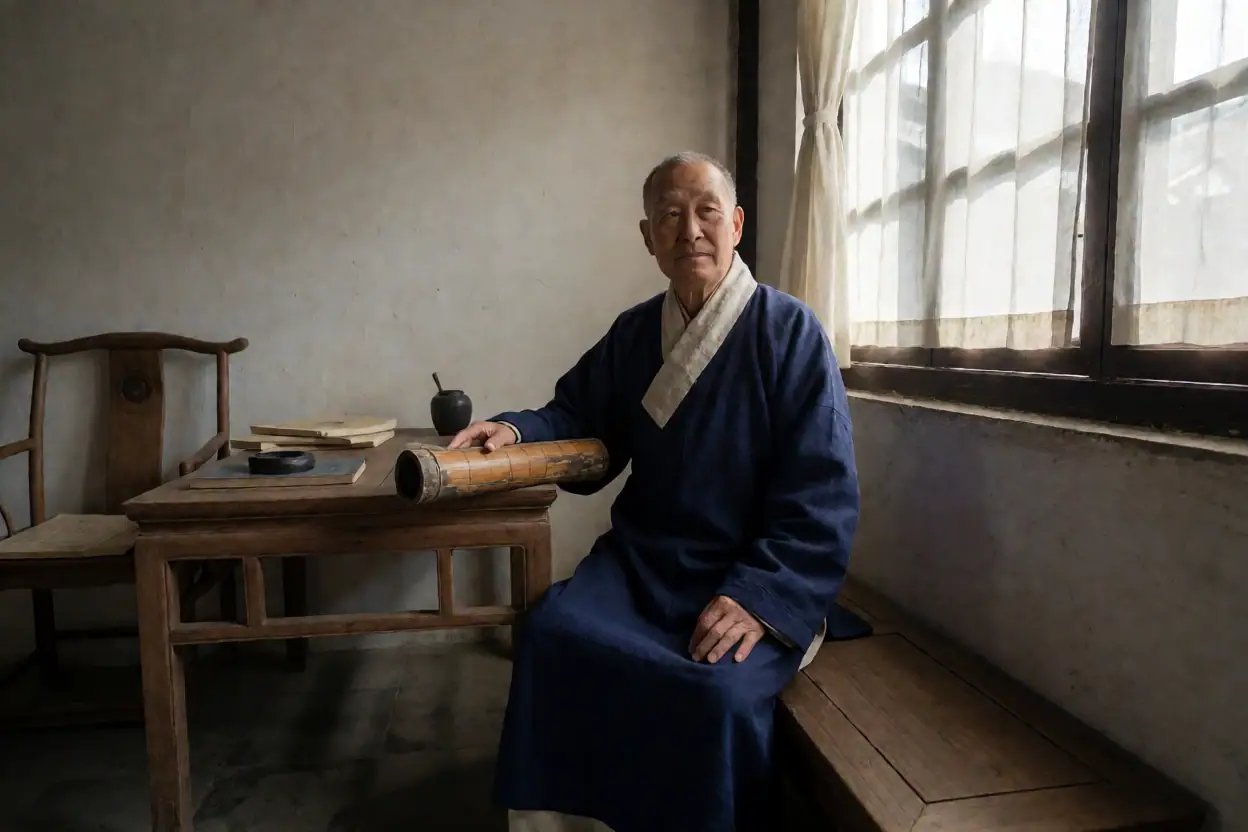
There are likewise differences among records concerning the cause of Nurhaci’s death. Qing historical works mostly state that he became unwell after the campaign at Ningyuan, later developed a toxic carbuncle, and went to recuperate at hot springs, but died after his condition worsened. This account emphasizes his prolonged military campaigns, advancing age, and the progression of his illness after the battle. Another group of Ming records and related accounts connects his death with injuries caused by Ming artillery during the Battle of Ningyuan. The two accounts were each shaped by different historiographical traditions and place emphasis on different aspects of the narrative. Existing materials can confirm the temporal connection between the defeat at Ningyuan and his subsequent serious illness and death, but whether he died directly from artillery wounds still requires further assessment through comparison of original archives, the dates when sources were compiled, and the chains of transmission of the records.
When organizing materials on families surnamed Tong or belonging to the Tonggiya clan today, online genealogies, family memoirs, and local gazetteers can complement one another: genealogies help trace lineages, memoirs preserve memories of migration and marriage, and local gazetteers provide information on the development of villages, individuals’ activities, and tombs and ancestral shrines. As for traditions related to Nurhaci, documentary records, family oral accounts, and later adaptations should be labeled by category, with the nature of each source established before its historical significance is discussed. This approach preserves the memories embedded in surname culture while avoiding the mistake of treating people with the same surname as members of the same lineage or treating legends as established historical fact.