The Education of the Imperial Princes and Maternal-Line Clues Behind the Xianfeng Emperor’s Accession
In the final years of the Daoguang Emperor’s reign, the choice of heir was weighed between Yizhu and Yixin. The princes’ birth mothers, their upbringing in the palace, their tutors’ instruction, and their personal performances together formed a complex background. Surname records concerning the Niuhuru clan provide corroborating evidence for understanding the designation of their maternal family, but cannot be directly equated with a specific lineage.
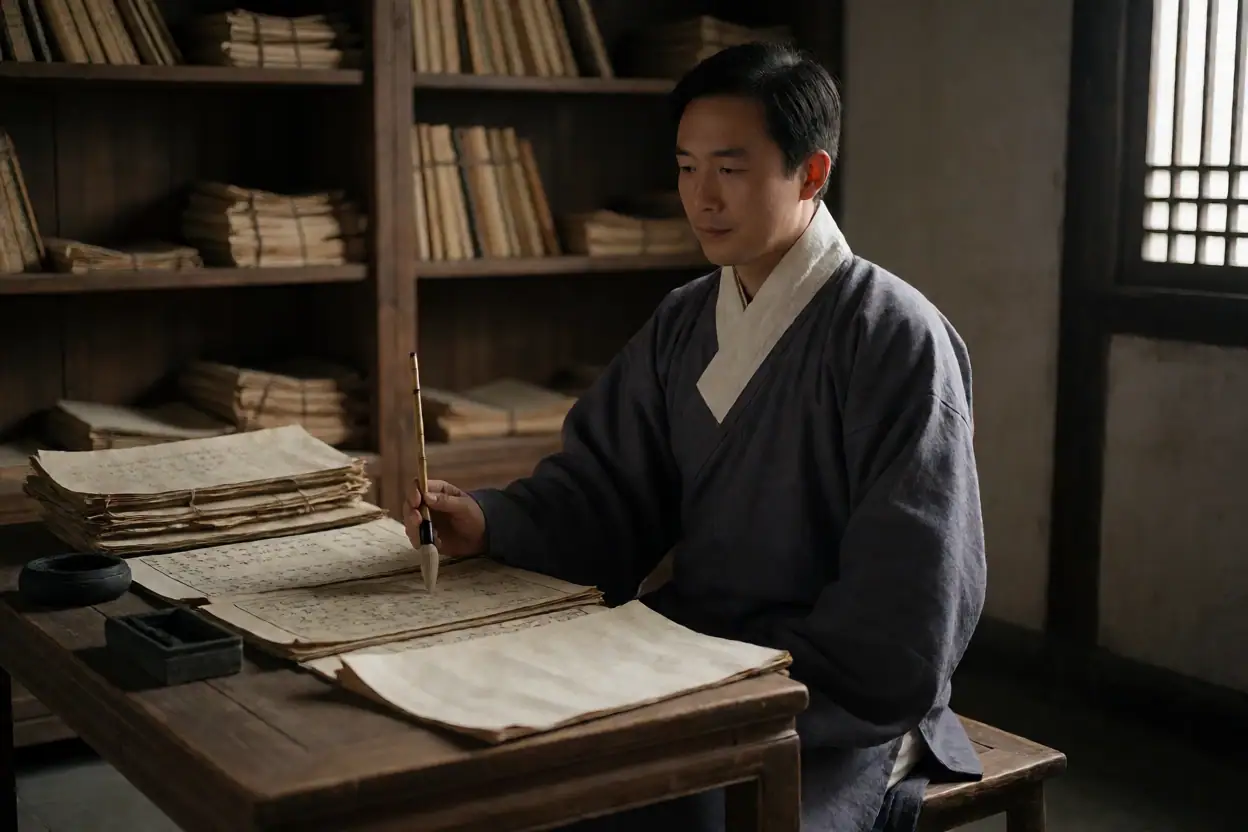
The accession of the Xianfeng Emperor, Yizhu, is often summarized by later generations as an unexpected choice of heir. Returning to the court environment of the Daoguang Emperor’s later years, however, shows that the decision depended not simply on a particular hunting expedition or an impromptu performance. Rather, it was shaped by the princes’ ages, the status of their maternal families, their upbringing, their education under tutors, and the Daoguang Emperor’s own political judgment.
Among his adult sons, the Daoguang Emperor placed particular importance on Yizhu and Yixin. Yizhu was the elder; his birth mother, the Niuhuru clan member, enjoyed the emperor’s favor in her early years and later became empress. After Yizhu lost his birth mother in childhood, he and Yixin were both raised by Imperial Noble Consort Jing. Yixin’s birth mother later became an imperial noble consort and held a prominent position in palace affairs. These family relationships meant that the two princes were brothers while also growing up in similar educational and court environments.
The two princes’ tutors emphasized different areas. Yizhu received long-term instruction from Du Shoutian, with training that placed greater emphasis on the Confucian classics and histories, benevolence and righteousness, and awareness of the people’s livelihoods and government affairs. In addition to the classics and histories, Yixin was immersed in poetry, prose, calligraphy, and related pursuits. The brothers also trained together in martial arts, leaving records of martial skills recognized by the Daoguang Emperor. This suggests that the Daoguang Emperor’s cultivation of them was not based on a single standard, but instead reflected a comprehensive judgment formed through observation of their learning, temperament, and ability to handle affairs.
Popular accounts surrounding the choice of heir often highlight dramatic details such as “shooting birds,” but the specific versions, dates of composition, and evidentiary basis of these stories require separate verification. A more cautious understanding is that Yizhu’s eventual victory may have been related to his seniority, the political image shaped by his education, and the Daoguang Emperor’s considerations regarding the order of succession and style of rule. Although Yixin was exceptionally talented, he did not become emperor; he later participated in late Qing political affairs as Prince Gong, illustrating instead that the two brothers followed life paths that each exerted their own influence.
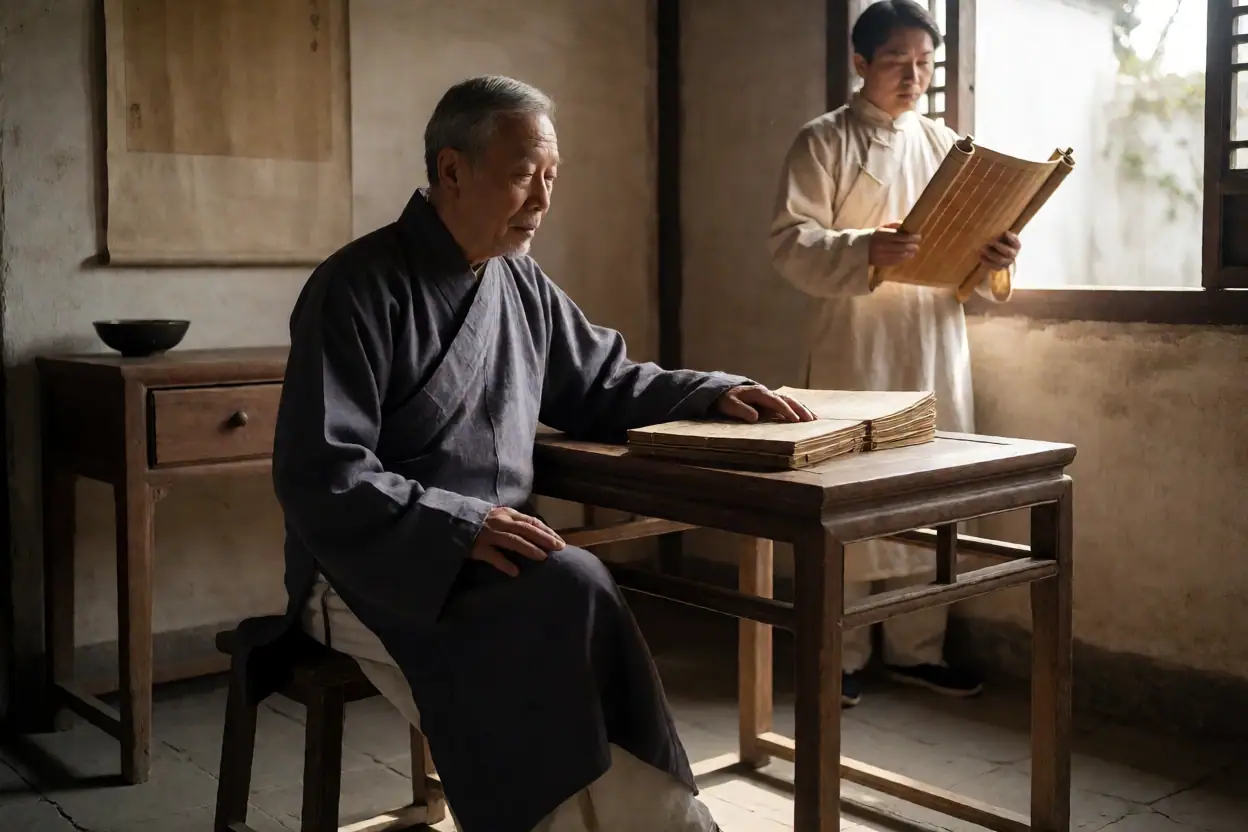
From the perspective of surname research, the Niuhuru clan, to which Yizhu’s birth mother belonged, was a prominent branch within the Manchu surname system of the Qing dynasty. Existing surname records contain various accounts of the Niuhuru clan’s origins, associations with place-names, official titles, and local branches, and also include information on lineage halls such as Fanyang Hall. Relevant distributional clues involve Inner Mongolia, Shanxi, Hebei, Liaoning, Shaanxi, and other areas. However, a lineage hall, Banner affiliation, place of residence, or shared surname alone is insufficient to prove that a particular family had a direct blood relationship with a figure from the imperial court.
To trace a specific branch further, the designations, migration locations, and ancestral names recorded in family memoirs should be compared item by item with online genealogies, local gazetteers, and surname records, while attention is paid to whether the genealogy is continuous, the dates correspond, and place-names have undergone changes over time. The value of ancestry research lies not in seeking a prominent ancestor based solely on a surname, but in gradually connecting verifiable kinship relationships, residence records, and historical context.