The Ran Family’s Household Ethics and Clan Order in Its Family Instructions
Existing materials on the Ran family instructions focus mainly on honoring ancestors and fostering clan harmony, upholding ritual and righteousness, and diligent study and frugality. They also address matters such as rites of sacrifice, graves, marriage, friendships, and assistance to those in need. These texts should be understood in conjunction with specific genealogies, local gazetteers, and family memories; they should not be used to infer that all Ran branches share the same ancestral origin or completely identical traditions.
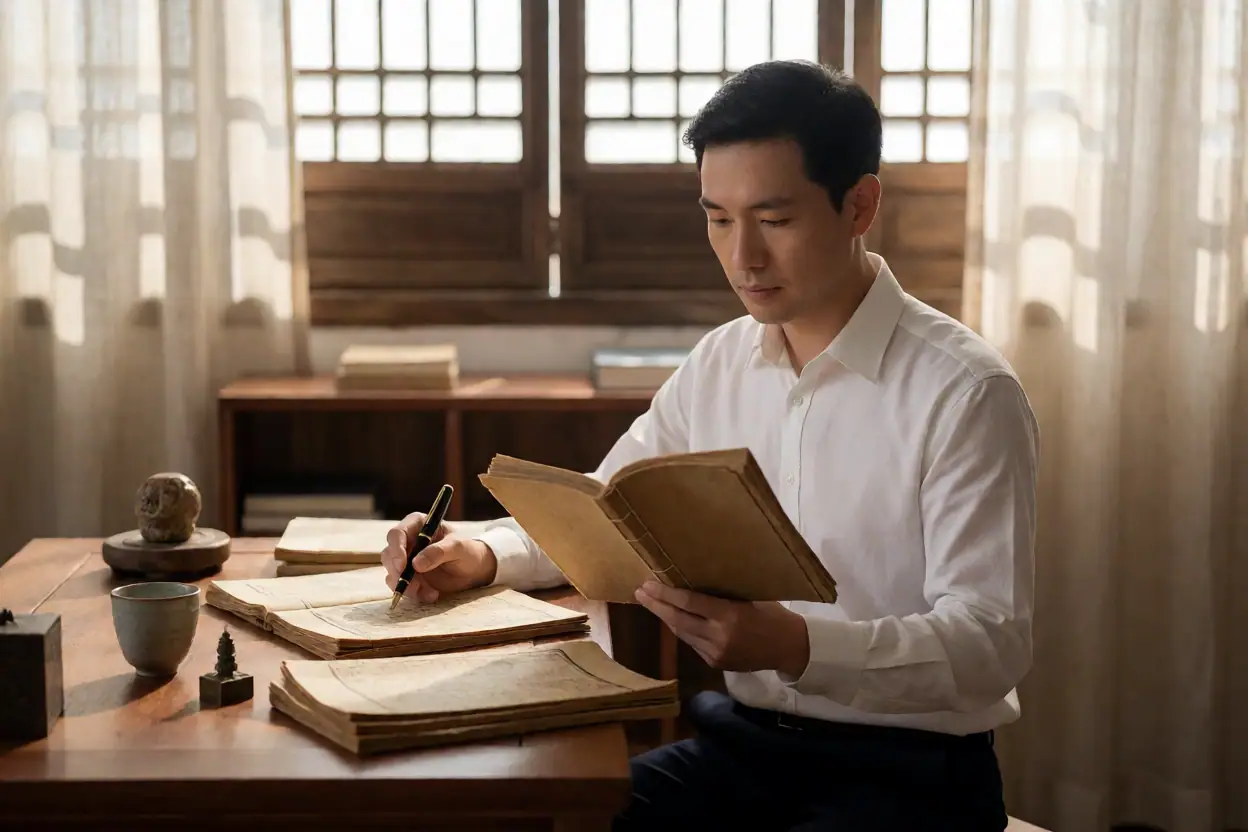
The materials currently available preserve a collection of family-instruction entries centered on the life of the Ran clan. The precise date of compilation, authorship, and branch in which they were first circulated remain insufficiently documented. Judging from their content, they are not merely admonitions concerning individual self-cultivation; rather, they seek to maintain family order through ancestor worship, household management, social relations, marriage and funeral practices, and the management of finances and property.
Honoring ancestors and respecting the lineage, together with maintaining harmony among relatives, are among the most prominent principles. The family instructions require clan members to put kinship before self-interest and not allow financial gain to damage family bonds. They also stress the upkeep of ancestral halls, regular sacrificial rites, and the care of ancestral graves and the boundaries of related hills and woodlands. These entries reflect the traditional clan’s concern with communal affairs, sacrificial rites, and shared memory. However, ancestral halls, burial grounds, and their boundaries are historical matters specific to particular places and branches and must still be cross-checked against contracts, inscriptions, genealogical prefaces, and local archives.
With regard to personal conduct, the family instructions advocate studying, understanding ritual propriety, and upholding righteousness in financial dealings, while opposing arrogance, stinginess, and reliance on wealth. Regarding relations between the rich and the poor, the emphasis is not on denying differences in family circumstances, but on requiring the wealthy not to be arrogant and the poor not to belittle themselves, with conduct and speech restrained by ritual and righteousness. Providing relief to those in hardship and helping others and benefiting the community are also listed as responsibilities of clan members, indicating that these norms address both internal family governance and interaction within the local community.
Marriage, friendship, and everyday consumption are likewise subject to regulation. In choosing spouses and friends, people are expected to value character rather than merely admire power or wealth. Coming-of-age and marriage rites should be conducted within one’s means, while houses, clothing, and utensils should be appropriate and frugal, avoiding ostentation and excess beyond one’s status. Some transmitted texts may contain omissions or corrupt readings. Accordingly, statements concerning such matters as precious objects and the disposition of family property can only be summarized as expressing an admonition against covetousness and an effort to prevent future trouble; they should not be forced into a word-for-word interpretation.
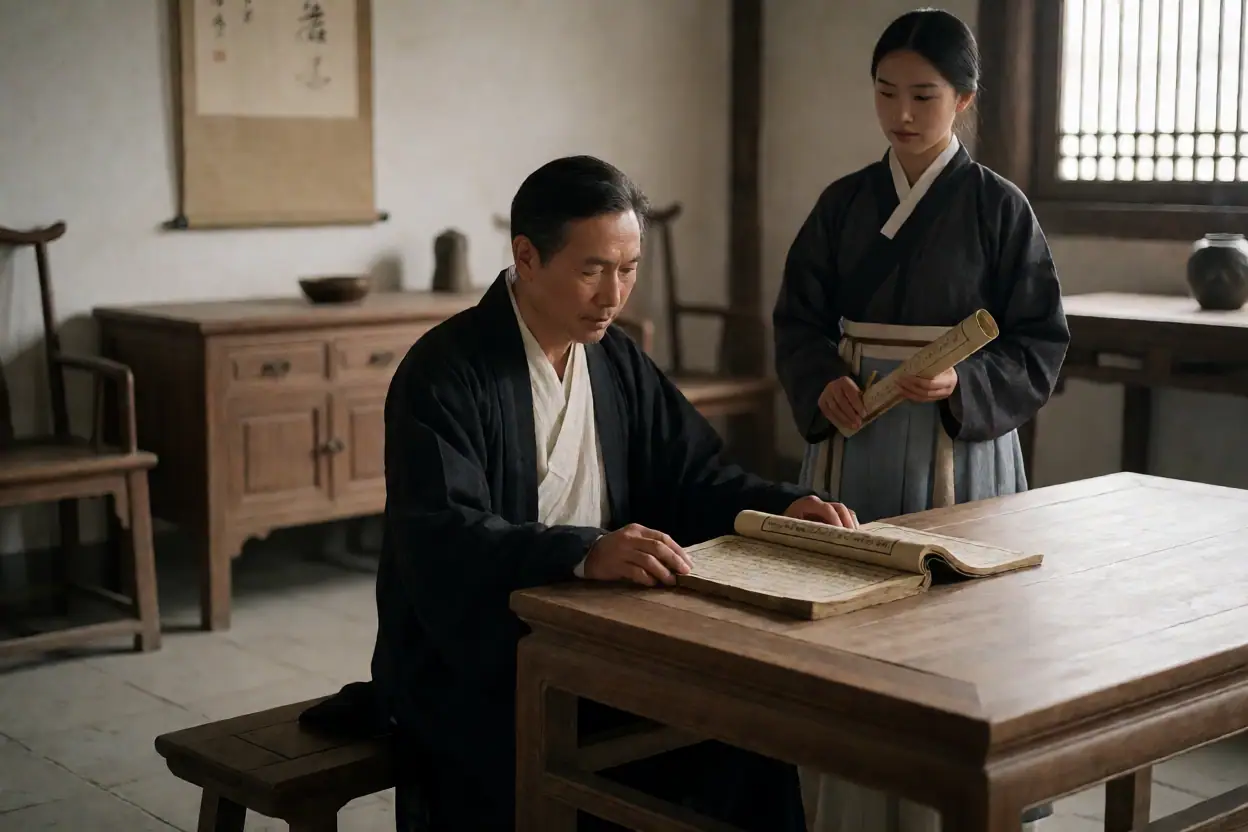
ZongMai’s surname resources list Donghai, Xiapi, and Henan among the clues associated with Ran surname commanderies, and include a record of “Donghai Hall” as a tanghao, or lineage hall designation. These names are mainly useful for understanding historical and cultural identifiers and cannot, on their own, prove a direct blood relationship between present-day families. Clues to Ran surname distribution appear in Henan, Shandong, Hebei, Jiangsu, Anhui, and elsewhere; the migration histories, generation names, and versions of the family instructions of branches in different places may not be the same. Accounts of the Ran lineage origins also include different narratives involving multiple sources, place names or official titles, and local branches. Specific ancestors and migration routes should be examined branch by branch.
In researching the Ran family’s roots, one may begin with the family’s old genealogies, spirit tablets, tomb inscriptions, deeds, and oral accounts from elders, and then compare them with the relationships between individuals in online genealogies, village histories and changes recorded in local gazetteers, and migration information. Family memoirs are well suited to preserving details of daily life and firsthand experiences, but the dates given in oral accounts, variant forms of personal names, and terms used for relatives still require verification. Organizing the family-instruction entries, genealogical lineages, and local documents separately can both help preserve the Ran family’s cultural memory and prevent mistaken identification of people as belonging to the same lineage solely because they share a surname, a hall designation, or similar generation names.