Wuxi Dangkou Hua Clan: Jiangnan Family Memory and Genealogical Clues
The historical narrative of the Huashi of Dangkou intertwines migration legends, success in the imperial examinations, community philanthropy, and printing techniques. To understand this branch of the family, it is necessary to consider the local social context while cross-checking genealogies, local gazetteers, and material documents, avoiding the simple assignment of people with the same surname to a single lineage.
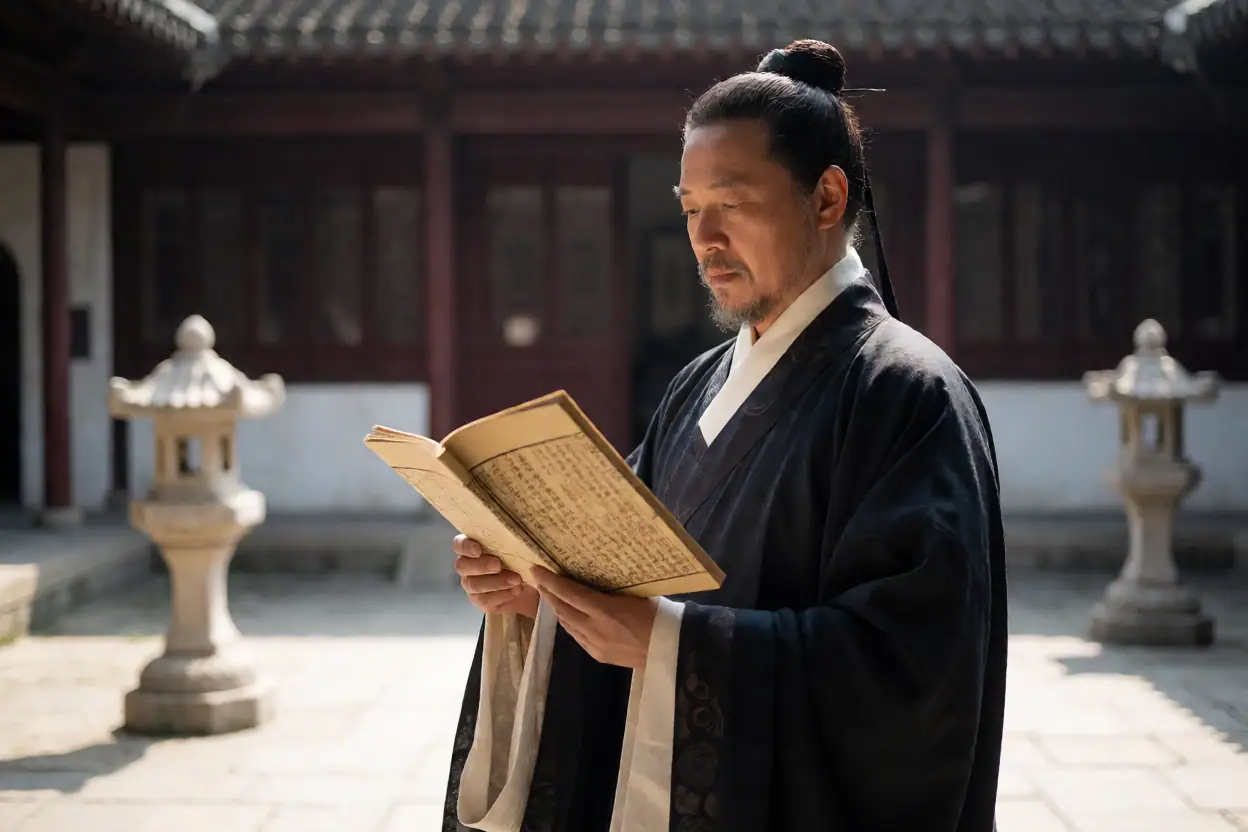
In the Dangkou area southeast of Wuxi, the Hua clan has long been intertwined with local society, educational traditions, and regional culture. Memories of this Hua lineage are commonly found in genealogical narratives, local documents, and later family recollections. They reflect not only the continuation of a surname, but also how clan members gradually established ties with their local community through migration, property acquisition, education, and participation in local affairs.
Historical genealogies offer differing accounts of the Hua surname’s ancient origins. Some records trace it back to the Zi-surname lineage and state that branches of the Hua clan later developed in Jiangnan after moving from the Central Plains. As for when the Wuxi Hua clan arrived, where its branches separated, and the sequence of migration between Longting and Dangkou, different genealogical editions may vary. Existing clues indicate that Hua ancestors were already active in the Longting area of Wuxi during the Northern Song period, after which one branch moved to Dangkou near Ehu. However, this account should still be checked against specific genealogies, epitaphs, local gazetteers, and changes in place names; it cannot be used to conclude that all Wuxi Hua clans descended from the same founding ancestor.
The Dangkou Hua clan has also attracted attention in local historical research because of its family traditions of education and success in the imperial examinations. Related accounts state that during the Ming and Qing periods, several members of the Hua clan passed the examinations and entered official service, with the Dangkou branch being particularly notable. Such family memories reflect the Jiangnan gentry society’s emphasis on book collections, employing tutors, and educating younger family members. However, the number of jinshi degree holders, branch affiliations, and specific individuals should still be compared item by item against examination records, official histories, local gazetteers, and original genealogical texts. Honorific statements in genealogies serve functions of remembrance and moral instruction and cannot directly replace contemporaneous sources.
Hua Cha and Hua Sui are two figures frequently mentioned in narratives of the Dangkou Hua clan. Hua Cha’s official career, movements, and involvement in local charitable initiatives illustrate the connections between the scholar-official class and local society. Claims that he resisted powerful figures, established levy fields, or aided local residents require separate confirmation through biographies, epitaphs, collected works, and local records. Hua Sui’s association with printing using movable copper type points to another aspect of the Hua clan’s involvement in book collecting, printing, and technological practice. His period of activity, printing locations, and related surviving objects should be examined with reference to textual scholarship and information from extant books, avoiding the treatment of later legends as a complete and definitive conclusion.
Research on the Dangkou Hua clan can proceed along several lines at once: first, use extant genealogies to establish the lineage and branch affiliations, then cross-check place names in the genealogies against local gazetteers, ancestral-hall inscriptions, and burial records. Migration routes can be examined through changes in family networks reflected in marriage, property, degrees and honors, and official appointments. For modern and contemporary family memories, the narrator, the time of formation, and the process of transmission should be recorded. Online genealogies are useful for identifying clues about names, generational characters, and places of residence; family memoirs help preserve oral experiences; and local gazetteers can supplement information on water conservancy, education, local worthies, and changes in the community. Only by using these materials in a layered manner can the historical character of the Hua clan in Dangkou be portrayed with reasonable confidence.
Learn More and Verify
- Family memories and historical context in the clues surrounding Di figures
- Shaohuitang Liu Clan Genealogy, Volume Six: Exploring Family Memory Through Clues in the Volumes
- Architectural Memories and Family Clues of the Diao Family Ancestral Hall in Guangxing, Jintang
- Exploring Surname Culture and Family Memory Through Literary Clues Related to the Gong Surname
Genealogy Knowledge and Methods for Compiling Genealogies · Finding Genealogies and Local Gazetteers · Organize family-root-seeking leads