The Si Surname and the Compound Surname Sima: Biographical Records and Lineage Analysis
Existing materials involve figures from the Yuan dynasty such as Si Jujing, Si Yunde, and Si Liangfu, and also mention the concentration of Si-surnamed residents in Wangyun Village, Zoucheng; there are also materials on the Henei Hall of the Sima clan. Although the Si surname and Sima are similar in written form, their lineage origins should still be examined separately.
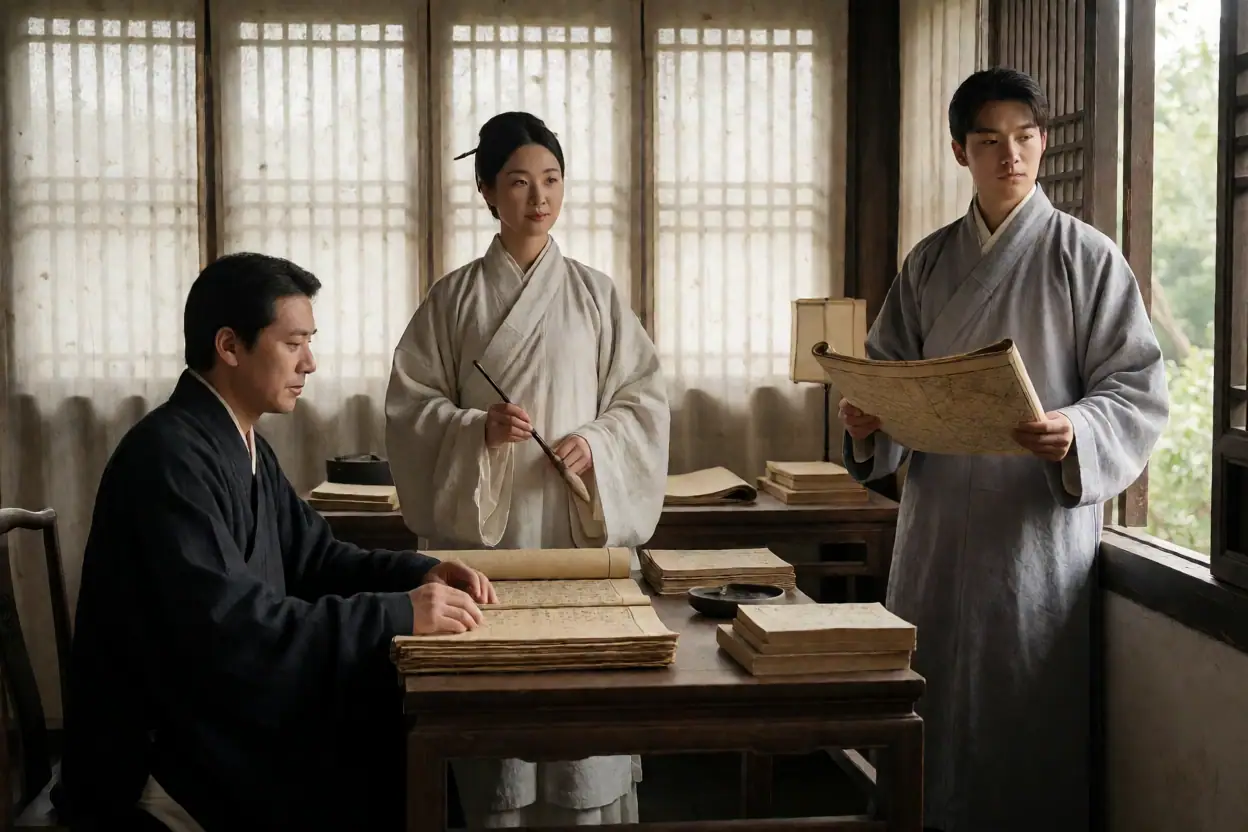
Regarding historical materials on the “Si” surname, existing records mainly present three dimensions: individuals, regions, and family culture. Among Yuan dynasty figures, Si Jujing is recorded as a native of En County who later served as magistrate of Zou County; he submitted memorials to improve conditions for the transport of land taxes, and built a school and established school fields. Si Yunde, courtesy name Zhizhong, is recorded as a native of Dong’e, known for his filial conduct and learning, and later served as a compiler at the Hanlin Academy’s National History Institute. Si Liangfu is recorded as a native of Daizhou; he once served as a Confucian studies official and taught the Cheng-Zhu school of Neo-Confucianism at home. These accounts reflect the emphasis traditional society placed on local governance, filial piety, and scholarly transmission, but each person’s native place, official career, and related details should still be checked one by one against official histories, local gazetteers, and collected writings.
The materials also mention Si Jiujing, courtesy name Shengdian, recorded as a native of Ningxia. During the Qing dynasty, he served as regional commander of Xuanhua and took part in military operations in Sichuan, Yunnan, the northern frontier, Tibet, and other places. Si Changling, courtesy name Jingshan, is recorded as having been born in 1726 and is referred to as a tribute student and scholar from Shimo Village, Gaoping. Because the materials currently available are relatively brief, it is not yet appropriate to extend too far regarding Si Changling’s complete birth and death dates, writings, and family background, or the specific years of Si Jiujing’s appointments. When studying figures of this kind, special attention should be paid to the fact that people sharing the same surname do not necessarily have a blood relationship, and official posts, native places, and periods of life cannot by themselves prove common ancestry.
In terms of local distribution, records of Wangyun Village show that there were once about 900 Si-surnamed residents in the area of Shiqiang Town, Zoucheng City, Shandong, living alongside families surnamed Sun, Gao, and others. This number is approximate information for a specific village at a specific time, and cannot be directly inferred as the Si-surnamed population of the entire Zoucheng area or of Shandong. Nor can it be used to confirm a genealogical connection between the local Si families and historical figures. To trace this branch, one may begin with village gazetteers, inscriptions, ancestral hall records, burial materials, and extant genealogies, with particular attention to comparing the founding migrant ancestor, migration dates, generational names, hall names, and information on marriages and branch divisions in nearby villages.
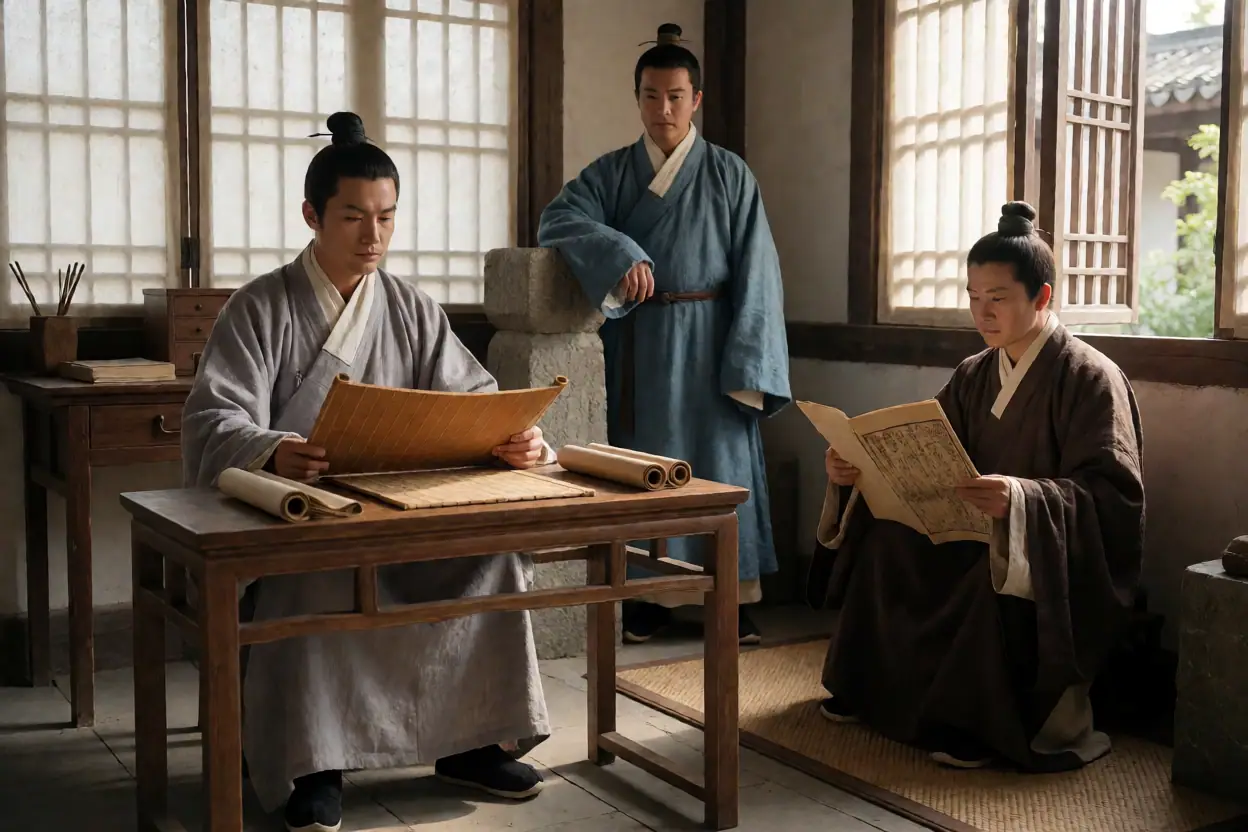
Other materials focus on the compound surname “Sima,” using Henei Hall, Henei, Wen County, and other ancestral place associations as clues for related lineage research. Sima is a compound surname and should not be regarded as the same lineage as the Si surname simply because it contains the character “Si.” Accounts concerning the Sima clan’s adoption of the surname from official titles, the Henei branch, and its distribution in Henan, Shanxi, Shaanxi, Jiangsu, Zhejiang, and other places may serve as directions for searching, but specific branches must still be corroborated through genealogy prefaces, lineage charts, local gazetteers, and family recollections. In root-seeking research, surname databases can be used to understand written forms, commandery associations, and historical figures; online genealogies and family memoirs can help organize modern and contemporary transmission; and local gazetteer databases can help verify village history, activities of individuals, and migration contexts. Final identification should be based on continuous and mutually corroborating family records, rather than conclusions drawn only from a shared surname or oral tradition.
Learn More and Verify
- Analysis of Luan figures’ memories and family lineages
- Historical Figures of the Tong Surname and Analysis of Their Origins: From Liaodong to Eight Banners Society
- Yang Xiu and Sima Yan: Trust and Boundaries in the Social Relations of Wei-Jin Elite Families
- Research into Xing clan figures and family history through records of Xing Nanrong
Genealogy Knowledge and Methods for Compiling Genealogies · Finding Genealogies and Local Gazetteers · Organize family-root-seeking leads