Tracing the Roots of the Si Surname: From a Surname Entry to a Path for Organizing Genealogical Clues
The “Si” surname has been recorded in surname databases and is pronounced sì, but publicly available information on its origins, commandery affiliations, ancestral hall names, generation characters, ancestral places of residence, and migration routes remains incomplete. Genealogical research should begin with multiple types of materials, including genealogy catalogs, local gazetteers, and family memories, with each item carefully verified.

The “Si” surname is a relatively uncommon Han Chinese surname, and existing surname references have included it, with the pinyin pronunciation sì. Based on currently verifiable records, there is still insufficient material to support conclusions about the Si surname’s origins, commandery affiliations, ancestral hall names, generation characters, main areas of distribution, or historical migrations. It is therefore not yet possible to identify a single common founding ancestor or one unified branch. For surnames with relatively small populations and potentially dispersed distributions, genealogical research must take particular care not to equate people with the same surname directly with the same clan.
To organize the history of Si families, one may begin with surviving genealogies. Special collections platforms operated by some provincial libraries have made genealogy images publicly available and provide information such as titles, authors, editions, surviving volumes, and fascicle numbers; as of June 30, 2023, one such platform had released 95 genealogical works, comprising 590 volumes and 54419 images. These digitized materials help confirm whether a genealogy exists and assess differences between editions, and they also facilitate item-by-item comparison by surname, ancestral place of residence, genealogy compilation date, and place associated with the genealogy. However, a platform’s inclusion of a particular genealogy only indicates that the relevant document has been organized or preserved; it cannot directly prove that a Si branch recorded in it is connected to a particular local family.
For further searches, researchers can consult union catalogs of genealogies, records of rare genealogies, and comprehensive genealogy knowledge bases, paying attention to fields such as “surname,” “place name associated with the genealogy,” “ancestral hall name,” and “ancestral figures.” Online genealogy searches can help establish an initial scope of documents, while family memoirs may supplement information absent from genealogies, including modern and contemporary migrations, marital relationships, former residence names, and burial locations. The two types of materials differ in nature, so recollections should, where possible, be cross-checked against genealogies, local gazetteers, inscriptions, household registers, and other verifiable documents.
For the Si surname, ancestral hall names and generation characters should currently both be regarded as information pending verification. Even if several families use the same ancestral hall name or have similar generation characters, neither can independently serve as a basis for establishing a lineage connection. Ancestral hall names may coincide because of branch divisions, continued compilation, regional transmission, or later editing, while generation characters may also be reused in different branches. Only when the prefaces to the genealogy, lineage tables, migration records, ancestral locations, and generational relationships connect with one another is it appropriate to propose a relatively well-grounded judgment about a branch.
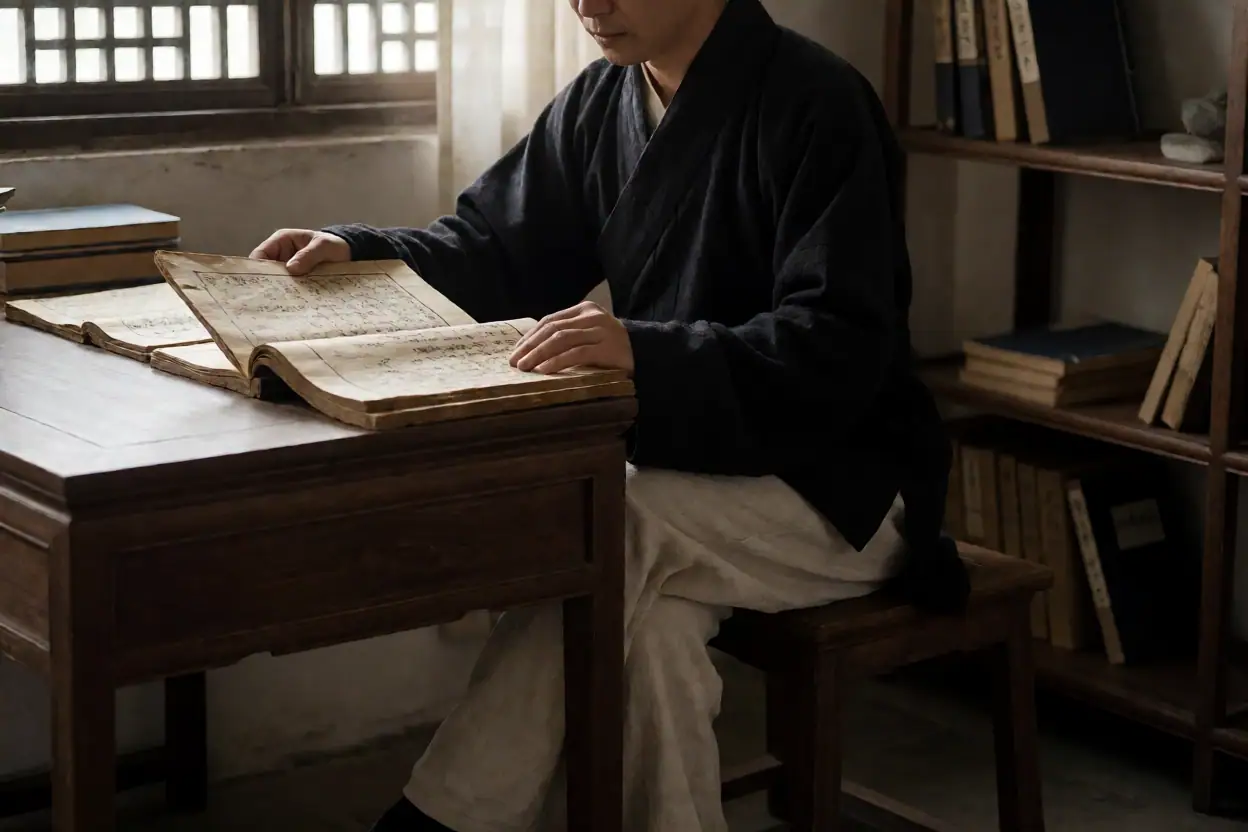
Local gazetteers are another important avenue. Searching county gazetteers, prefectural gazetteers, and local gazetteers in local-gazetteer databases for surname distributions, settlement histories, biographies, and ancestral hall or tomb records may provide historical context for place names in a genealogy. During the search, researchers should record changes in place names across different periods and distinguish between places of origin, temporary residences, places of household registration, and places to which descendants later migrated, avoiding the direct application of modern administrative divisions to historical records. If people with the same surname are found, their native places, generations, kinship relationships, and documentary sources must also be checked; a connection cannot be established solely because the surnames are the same.
The most cautious conclusion at present is that the Si surname has a basic surname entry, but its specific origins and branches still require further investigation. Future research can build a record table around “current residence—ancestral place of residence—earliest known ancestor—genealogy edition—migration point,” while preserving original page numbers, image identifiers, and the dates of family oral accounts. As new genealogies, local gazetteers, or family documents are discovered, the relevant information can be gradually supplemented and corrected, with verified facts, family traditions, and hypotheses that remain to be confirmed clearly distinguished.