Clues from the Ningdu Huangxi Wen Shrine Genealogy and Research Pathways
Existing materials indicate that the Ningdu Huangxi Wen Shrine once had a genealogy in its sixth revision. The relevant record corresponds to Book 1, with the page marked as 178. Based on the information currently visible, this article organizes the basic clues and, drawing on surname materials, genealogy compilation, and research into local gazetteers, explains that the study of Wen clan branches still requires further verification.
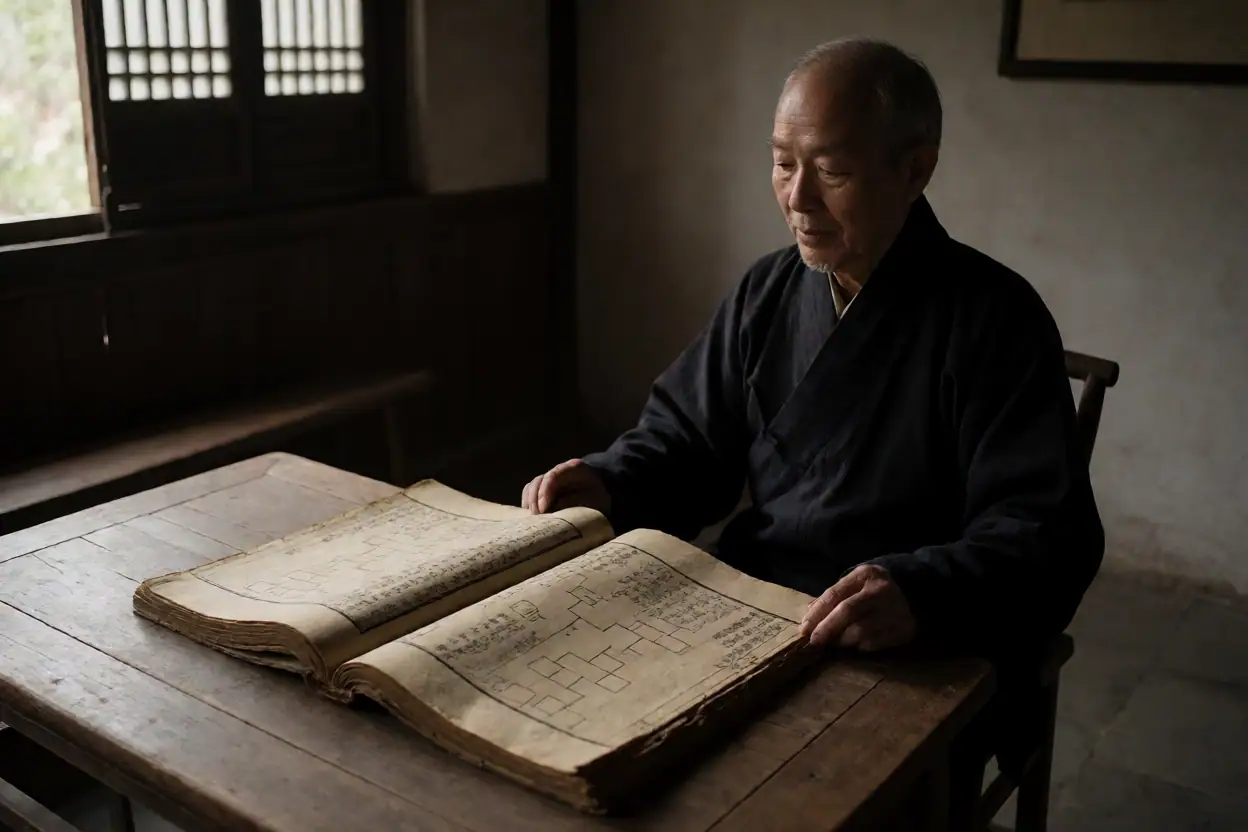
Among the existing records is a genealogy titled “Ningdu Huangxi Wen Shrine Genealogy, Sixth Revision.” The portion available corresponds to Book 1, with the page marked as 178. The record also lists viewing options ranging from Book 1 through Book 13, as well as the complete set, indicating that this genealogy may have been preserved or organized in separate volumes. However, the title, volume numbers, and page count alone are insufficient to determine the complete composition of the set or to infer which branches, lineages, or localities are recorded in each volume.
The name “Huangxi Wen Shrine” provides clear place-name and ancestral-shrine clues for studying the Wen clan in the Ningdu area. Genealogies typically include the origins of the compilation, the history of the ancestral hall, lineage charts, biographical records, migration records, generation names, and burials. However, the information currently visible does not display this main text, so it would be inappropriate to directly confirm the first ancestor to migrate to the area, the date the shrine was established, the hall name, or the relationship with other Wen clan branches. Even when different branches share a hall name, generation names, or ancestral residence, their connections still need to be mutually verified through continuous lineages, prefaces, tomb inscriptions, and local documents.
In compiling surname materials, the Wen surname should be examined separately from materials on the “Jia” surname. Existing surname records for the Jia clan note the Fanyang Hall and list Fanyang, Zhuojun, and Henan among its commanderies of origin or distribution, with references to Inner Mongolia, Shanxi, Hebei, Liaoning, and Shaanxi. These materials belong to the Jia clan itself and cannot be used to prove a clan relationship between the Ningdu Huangxi Wen Shrine and the Jia clan. Sharing a surname does not mean sharing a lineage; nor can an ancestral connection between different surnames be established solely on the basis of nearby residences, marital ties, or similar written forms.
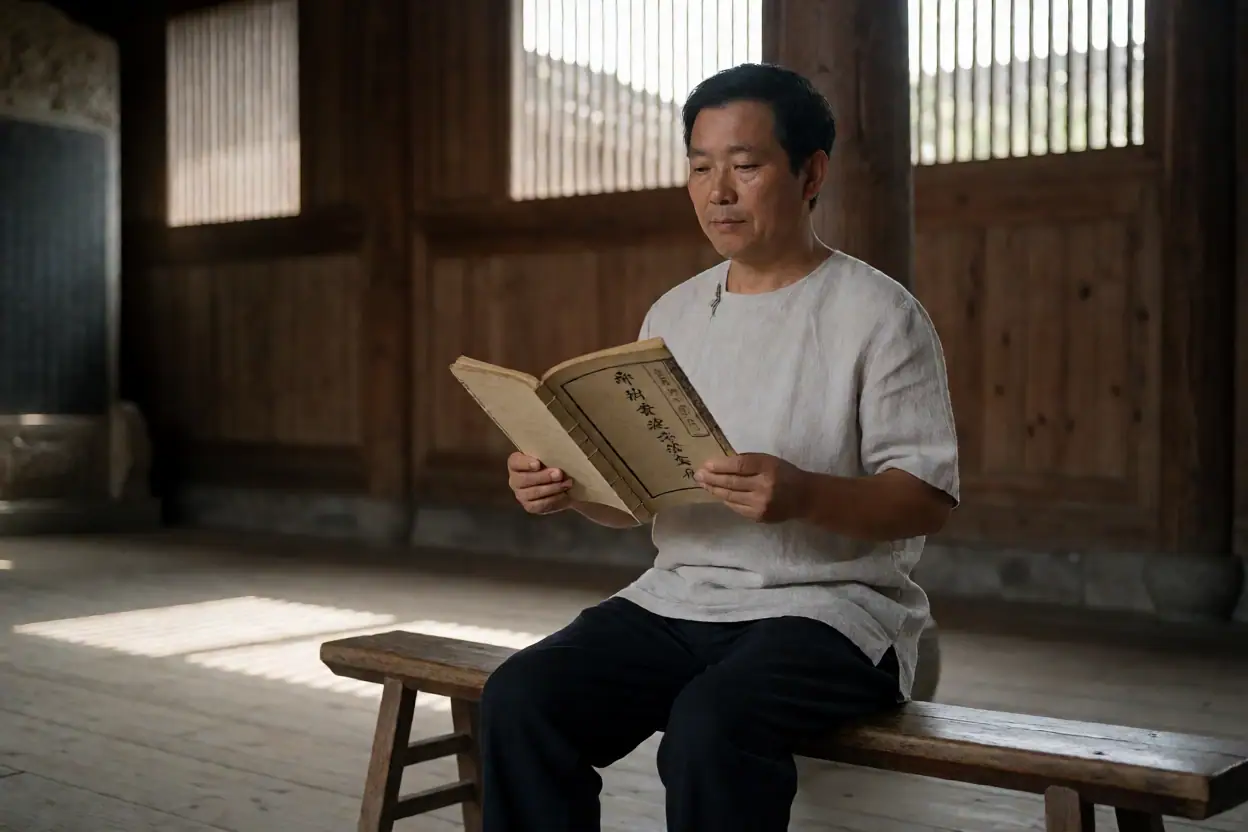
To further clarify the origins and development of the Wen clan at the Ningdu Huangxi Wen Shrine, one may first create separate records for the table of contents, genealogy preface, editorial notes, lineage charts, and generation names in each volume, and then compare the place names in the genealogy with county gazetteers, township gazetteers, inscriptions from ancestral halls, and epitaphs. Online genealogies are suitable for developing preliminary clues about individuals and kinship relationships, while family memoirs can supplement information about migration, branch divisions, and spoken forms of address in modern times. Both, however, should indicate the nature and reliability of the records. For migrations across counties or provinces, it is also necessary to verify dates, branches, spouses, children, and changes in place names, in order to avoid mistaking people with the same name for the same individual.
Genealogical research can begin with known ancestors and proceed upward one generation at a time, using birthplaces, residences, ancestral halls, burial sites, and generation names as interconnected search criteria. Local gazetteer databases can help confirm the administrative divisions, village history, and background of clan activities in Huangxi and surrounding areas, but they cannot replace the genealogy itself as proof of lineage. Only after obtaining the genealogy preface, lineage pages, or clear images can one further discuss the migration history of this Wen clan branch, the use of its hall name, and its possible connections with other Wen clan branches.