Family Memory: Organization and Textual Examination in The Tang Clan Genealogy, Sixth Revision
A genealogical record titled The Zhongshan Hall Tang Clan Genealogy, Sixth Revision is currently available in five volumes plus an initial volume; the page information indicates that the complete genealogy contains approximately 1,300-plus pages. It offers clues for understanding the Tang clan’s genealogical compilation, branch-line memories, and documentary organization, but the specific lineage still needs to be further verified against the original genealogy and local sources.
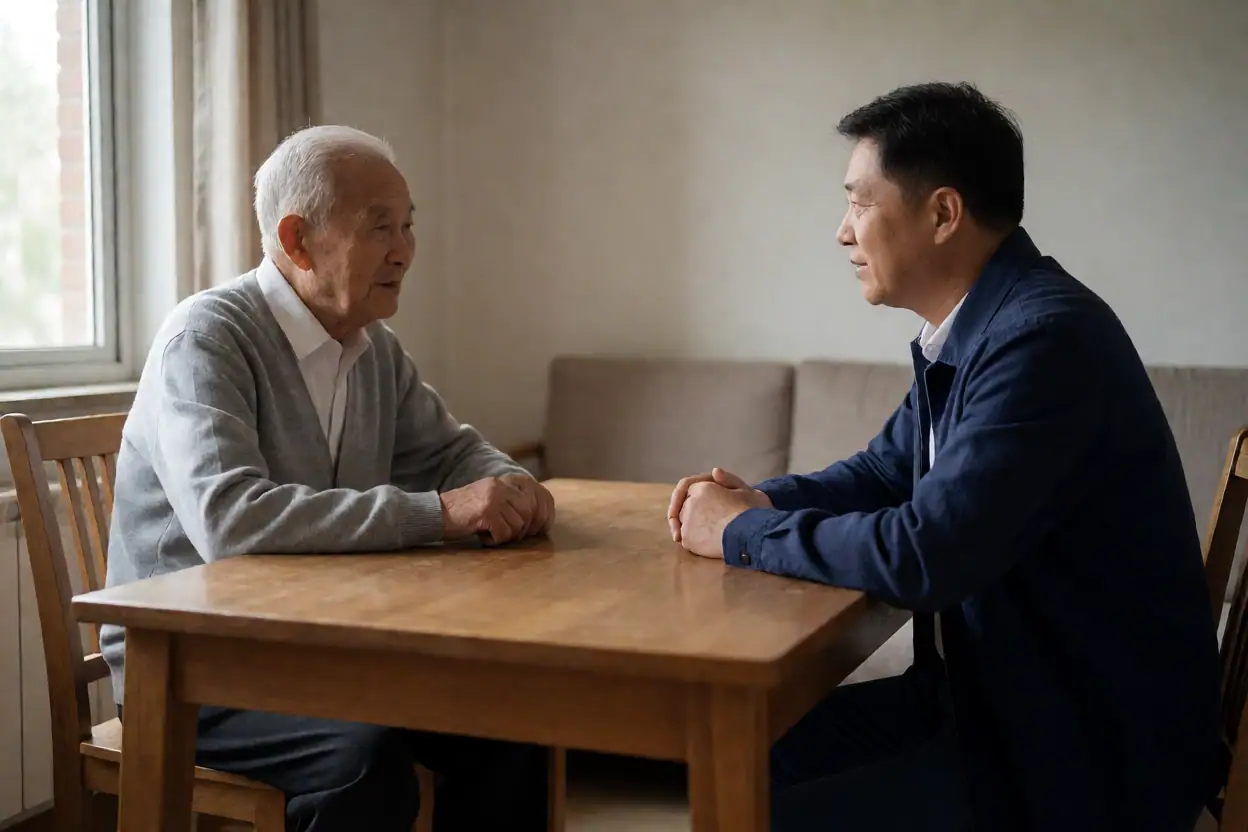
The Zhongshan Hall Tang Clan Genealogy, Sixth Revision, as identified by its title, is a Tang clan genealogical source catalogued as five volumes with an initial volume. The page information indicates that the complete genealogy contains approximately 1,300-plus pages. The title alone indicates that this is a family document revised and continued on multiple occasions; “Sixth Revision” generally suggests that the family supplemented, collated, or recompiled earlier genealogies at different stages, while “Zhongshan Hall” may be the hall name used in the genealogy or an identifier of the compilation tradition. However, the same hall name cannot directly prove that Tang clans in different places belong to the same lineage branch; this must still be corroborated through the genealogy’s prefaces and postscripts, lineage charts, migration records, and ancestral-hall property records.
The value of a clan genealogy lies not only in listing names and generations, but also in preserving the family’s memories of migration, marriage, academic and official achievements, ancestral worship, and local life. In the course of successive revisions, compilers may have cited earlier genealogies, tomb inscriptions, contracts, local histories, or family letters preserved by clan members. As a result, the style names, native places, and birth and death details of the same person may differ across sources. When reading this type of genealogy, one should first distinguish original records, later additions, and the compiler’s notes, then examine whether the volumes form a continuous sequence, avoiding the treatment of legends, narratives of ancestor remembrance, or lineages lacking independent corroboration as established historical facts.
For Tang clan members hoping to trace their roots, the more reliable approach is to begin with known ancestors from recent generations, recording their names, generation names, places of residence, burial locations, and kinship relationships item by item, and then comparing them with the branch divisions, generation naming patterns, and migration clues in the genealogy. Online family trees can help establish a preliminary family tree, while family memoirs can help preserve oral information; however, all of these materials need to be verified against images of the original genealogy, epitaphs, household registers, contracts, and local sources such as county and prefectural histories. Surname databases can be used to understand the basic distribution and historical designations of the Tang surname, while local gazetteer databases can supplement information on village development, changes in administrative divisions, and the background of individuals’ activities.
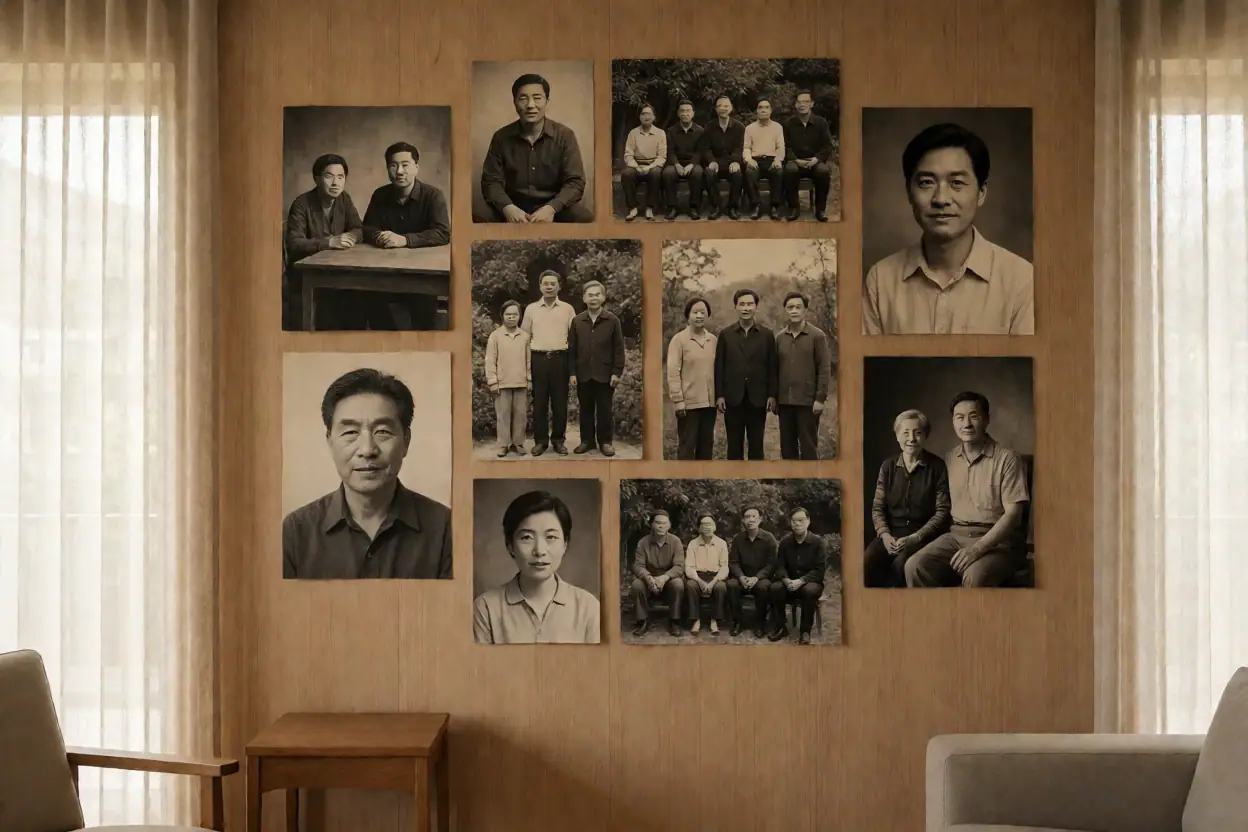
The key points that can currently be confirmed are that this genealogy is devoted to the Tang clan, contains compilation information such as “Zhongshan Hall” and “Sixth Revision,” and has been preserved in multiple volumes. The available cataloguing information is still insufficient to determine its specific compilation date, place of compilation, first ancestor to migrate, generation-name system, or the lineages of its various branches. Further research should be based on the complete set of genealogy pages, with particular attention to the prefaces, editorial notes, contents, lineage charts, and migration records. Materials from different editions or from the same lineage branch should also be compared within a shared temporal and geographical framework in order to gradually clarify the boundary between family memory and historically verifiable facts.
Learn More and Verify
- Yiyang Tang Clan Genealogy: Clues for Organizing a Record of Local Family Memory
- Presentation of the He Clan’s Sixth-Revision Genealogy: A Formal Handover of Family Documents
- Organizing family memory through the Ran clan’s sacrificial rites and genealogy-revision activities in Ankang
- Organizing Family Documents and Tracing Roots Through the Joint Catalogue of Genealogies
Genealogy Knowledge and Methods for Compiling Genealogies · Finding Genealogies and Local Gazetteers · Organize family-root-seeking leads