The Theory That the Xi Surname Changed from Zhang and Its Analysis
The claim that the Xi surname originated from the Zhang surname is often associated with an old court story from the Ming dynasty and a legend about changing one’s surname to avoid misfortune. Existing clues also concern the migrations of Xi families in Shandong, Hebei, Northeast China, and Anhui, but specific branches still need to be verified item by item against genealogies, local gazetteers, and family memories.
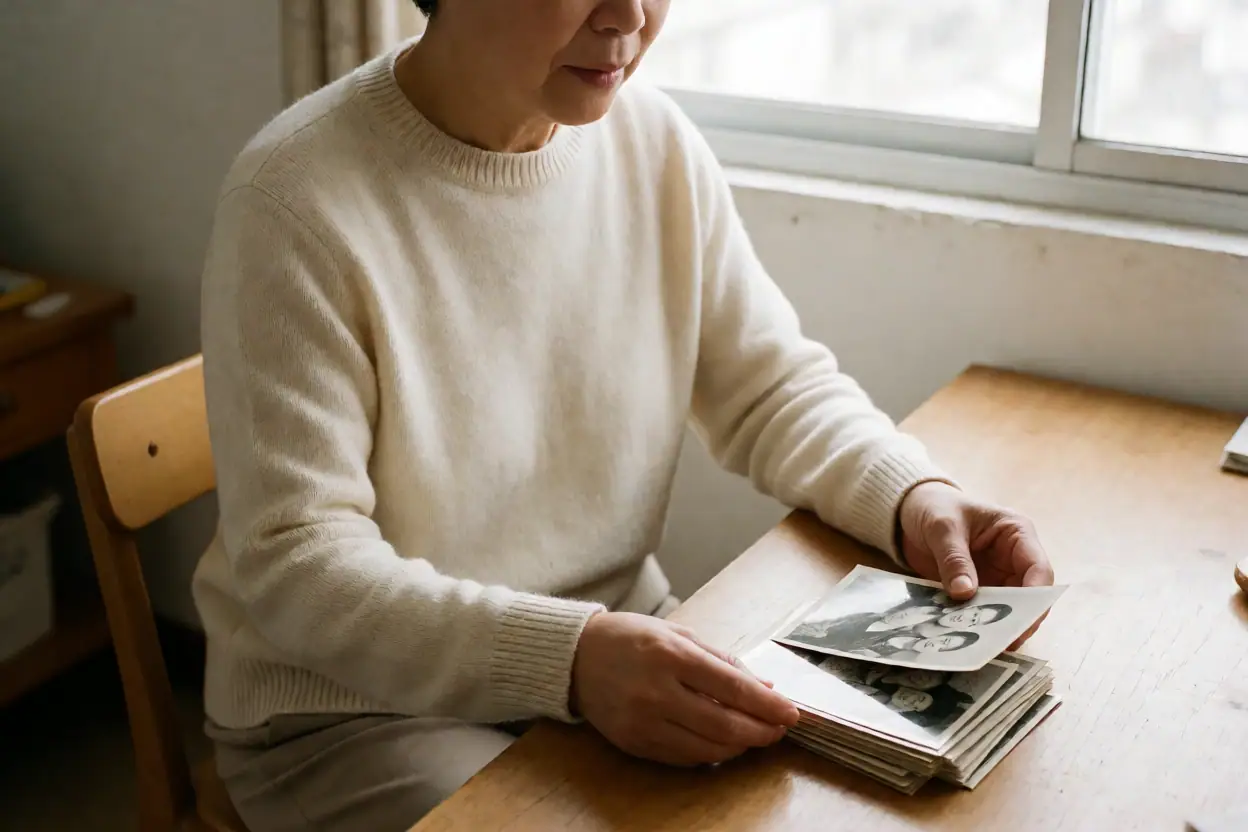
The origins of the Xi surname are diverse. The claim that it “originated from the Zhang surname” is found mainly in the narratives of certain families and in surname-related materials. In essence, the account says that after Empress Xiaokang Zhang of the Ming dynasty died, the court investigated related responsibility because her brothers had relied on their status as maternal relatives of the emperor in their conduct. To avoid misfortune, the descendants of the Zhang family scattered and fled, adopting surnames based on the directions east, south, west, and north. One branch is interpreted as having become the Xi surname. This narrative connects a court event, a family’s flight from danger, and a change of surname. It has a strong legendary quality and cannot yet be used to summarize the common origins of all people with the Xi surname.
From a historical perspective, surname changes prompted by political upheaval, warfare, famine, marriage-related migration, or withdrawal from society to avoid danger are not uncommon in genealogical records. However, such changes usually occurred within a particular family, during a particular period, and in a specific region. Whether the Zhang surname changed to the Xi surname requires corroboration from continuous genealogical records, tomb inscriptions, documents, or local gazetteers. A shared surname or similar oral story alone cannot directly establish a common ancestral lineage. Even people with the Xi surname may belong to branches originating in different regions and different historical periods.
Existing related accounts also mention that some Xi families in Shandong and Hebei may be connected with surname changes made to avoid danger; Xi families in Northeast China may be connected with the movement of people from within the passes to areas beyond the passes in modern times; and the specific origins of Xi families in Anhui are more difficult to determine. These clues can serve as a starting point for tracing one’s roots, but should not be treated as conclusions that have already been substantiated. In particular, migration routes, the name of the first ancestor to move to a new place, the original place of residence, and the date of the surname change often require corresponding records in the genealogy of the relevant branch, followed by comparison with county and prefectural gazetteers, inscriptions, and population registration materials.
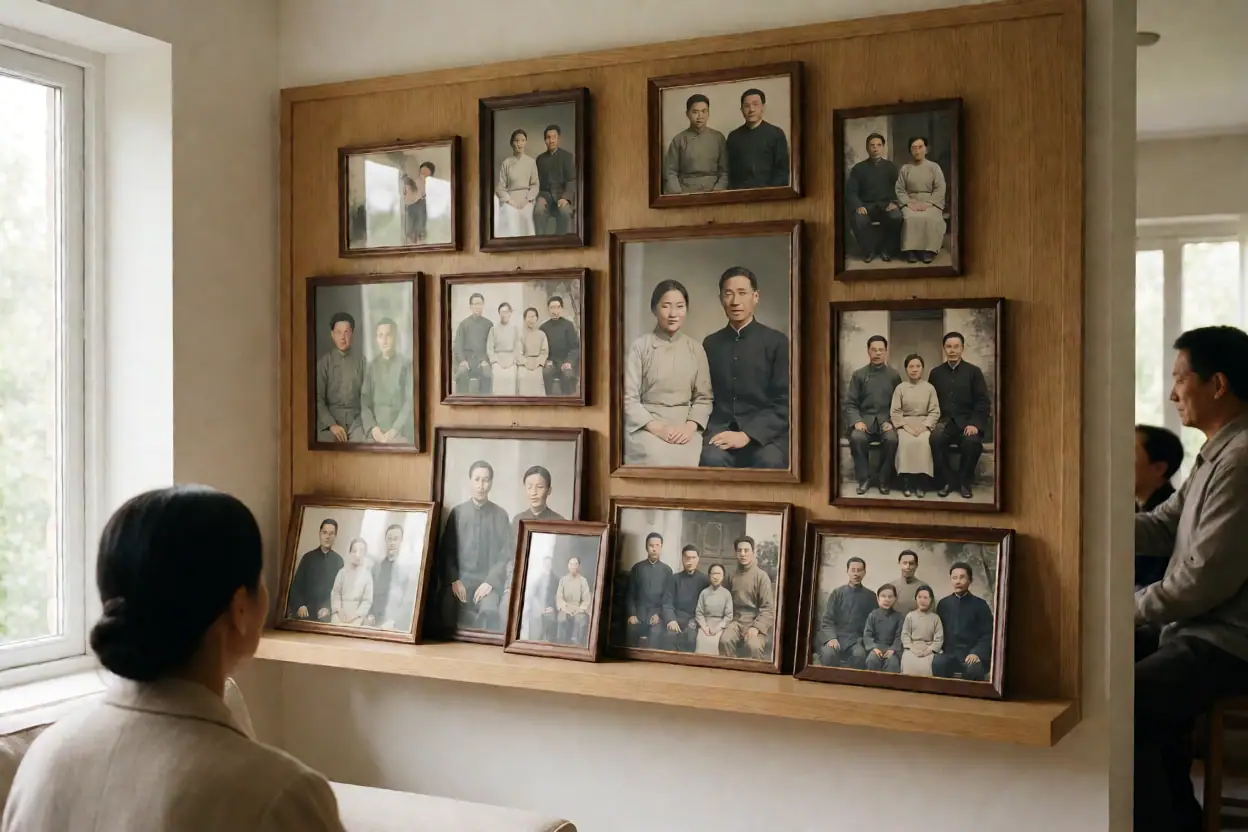
When tracing the roots of the Xi surname, one can begin by organizing genealogical books, ancestral tomb inscriptions, ancestral hall plaques, generation-name sequences, and ancestral-ritual records preserved at home, while documenting the earliest ancestral residence and place of migration that can be confirmed. Online genealogy resources can help locate records of people with the same surname in other regions, family memoirs can help preserve oral information, and local gazetteers can be used to verify the historical changes of villages, surname distribution, and the background of population migrations. If discrepancies in dates or place names appear among different sources, they should be noted separately and assessed only after new primary evidence becomes available. Regarding the claim that the Zhang surname changed to the Xi surname, the more cautious formulation is that it may reflect the family memory or historical transmission of certain Xi branches; whether it concerns the ancestors of this particular branch still needs to be confirmed through the branch’s genealogical records and local materials.
Learn More and Verify
- Wealth, Migration, and Lineage Analysis in the Narrative of the Bei Family
- The Lu Surname and Buliugu: Clues to Lineage in Memories of Surname Changes during the Northern Wei
- The Legend of the Ran Clan’s Zhongxiao Hall and Its Genealogical Record Verification Path
- An Approach to Organizing Literary Materials on the Wei Surname and Analyzing Family Culture
Genealogy Knowledge and Methods for Compiling Genealogies · Finding Genealogies and Local Gazetteers · Organize family-root-seeking leads