Na Clan Ancestral Hall in Changhuang Village, Xiaoyi, Shanxi: Local Memories Spanning Two Centuries
The Na Clan Ancestral Hall in Changhuang Village, Xiaoyi, Shanxi, bears witness to the family’s migration during the Ming dynasty, the construction of an ancestral hall twice during the Qing dynasty, and the course of its modern restoration. This article traces the lineage of this branch and explores the ancestral hall’s contemporary significance in maintaining family ties and carrying on the family ethos.
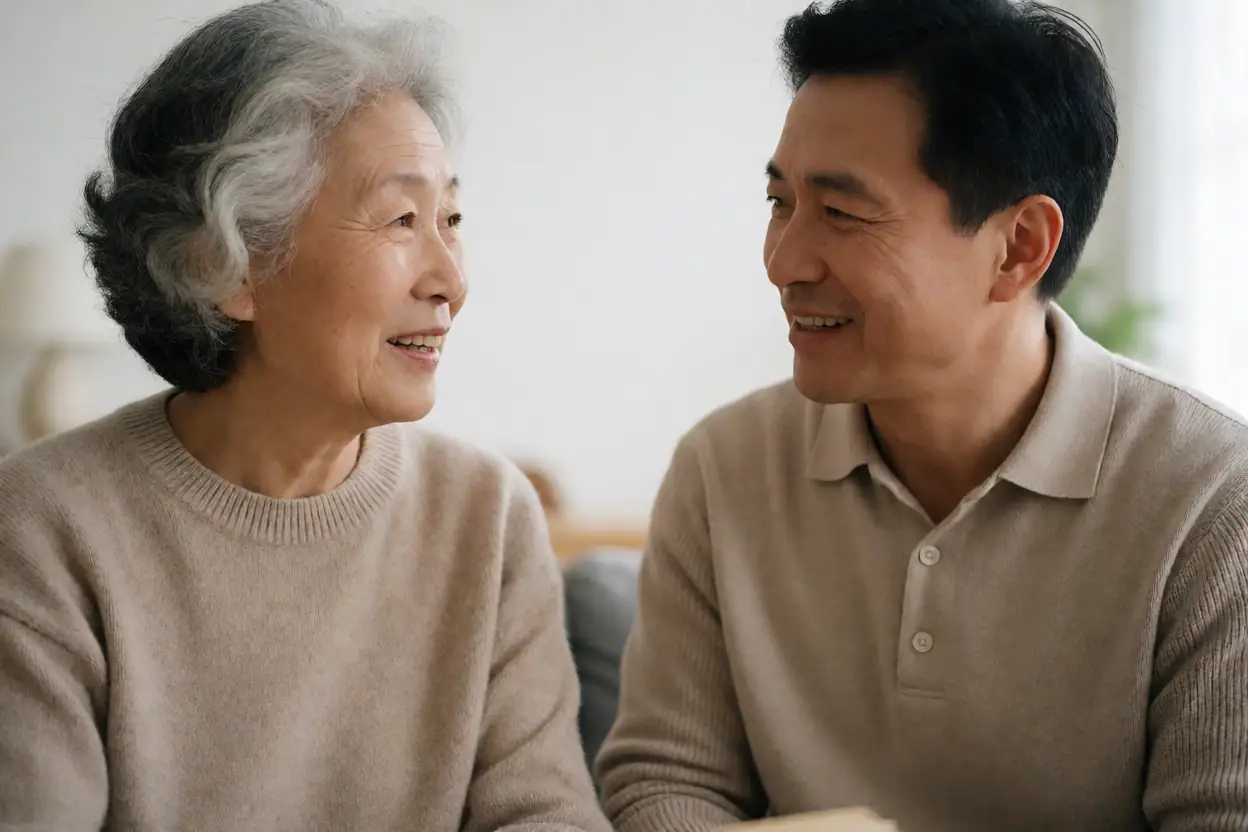
An ancestral hall is not only an architectural heritage site but also a physical repository of a local family’s shared memory. Changhuang Village, located east of Xiaoyi City in Shanxi Province, is home to a surviving Na Clan Ancestral Hall that records the complete history of this family branch—from its ancestors’ migration and settlement here during the Ming dynasty, through its renovation during the Tongzhi period of the Qing dynasty, to its restoration and reconstruction nearly twenty years ago. According to family oral accounts and extant inscriptions, the Na ancestors migrated here during the Ming dynasty. After twenty-two generations of growth and continuity, the family upheld the ethos of “farming and learning as the foundation of the family, and filial piety and virtue as its basis,” gradually forming a stable clan structure. To carry on their ancestors’ legacy and promote the virtues of their forebears, the ancestors first built an ancestral hall on the western section of the street in front of the village, establishing a communal center for family deliberations and ancestral rites. In the thirteenth year of the Qing Tongzhi era (1874), the twelfth-generation ancestor 那如杞 initiated a proposal, and clan members enthusiastically donated funds for the ancestral hall’s second large-scale construction. Over time, however, the old hall fell into disrepair and its courtyard became desolate. The entrance hall and main hall deteriorated badly, resulting in the damage or loss of valuable records such as spirit tablets and genealogies and creating gaps in some of the early lineage records. The historical details of this period rely mainly on the intergenerational oral transmission of elders. In the absence of supporting written genealogical records, the specific relationships between generations need to be clarified by examining additional oral accounts.
From the late twentieth century into the early twenty-first century, as society underwent broad revitalization, rebuilding the ancestral hall became a shared aspiration of the Na family in Changhuang Village. The reconstruction was proposed by the seventeenth-generation clan members 那彦平 and 那学士, strongly supported by the clan head 那德山, and funded generously by enthusiastic clan members including 那铁根, 那钟欢, and 那华刚. With the cooperation and support of the village head at the time, 那志伟, construction began in the intercalary sixth month of the Dingyou year (2017). The new ancestral hall was built on the original site, with every effort made to preserve its original appearance and footprint. A professional traditional-architecture construction team was engaged for the project, which followed a standard traditional architectural style and presented a dignified appearance with vermilion doors and green-glazed tiles. After several months of construction, it was completed by the end of the year. Today, an old locust tree several hundred years old stands in front of the hall. Its luxuriant branches and leaves are not only a natural feature but are also regarded as a symbol of the family’s enduring vitality.
At the level of cultural transmission, the interior arrangements of the ancestral hall reflect the family’s pursuit of refinement and propriety. The four large gilded characters “那氏宗祠” above the entrance were written by 那雨苗, a female family member who was just over thirty years old at the time and served as a council member of the Calligraphers Association. They are complemented by traditional auspicious motifs such as “马上封侯” (“immediate ennoblement”) and couplets featuring phrases such as “敦诗悦礼” (“cultivate poetry and delight in rites”), expressing the family’s hopes for learning, good conduct, and achievement. These artistic details not only enhance the ancestral hall’s cultural character but also reflect the shared cultural identity of clan members across different generations.
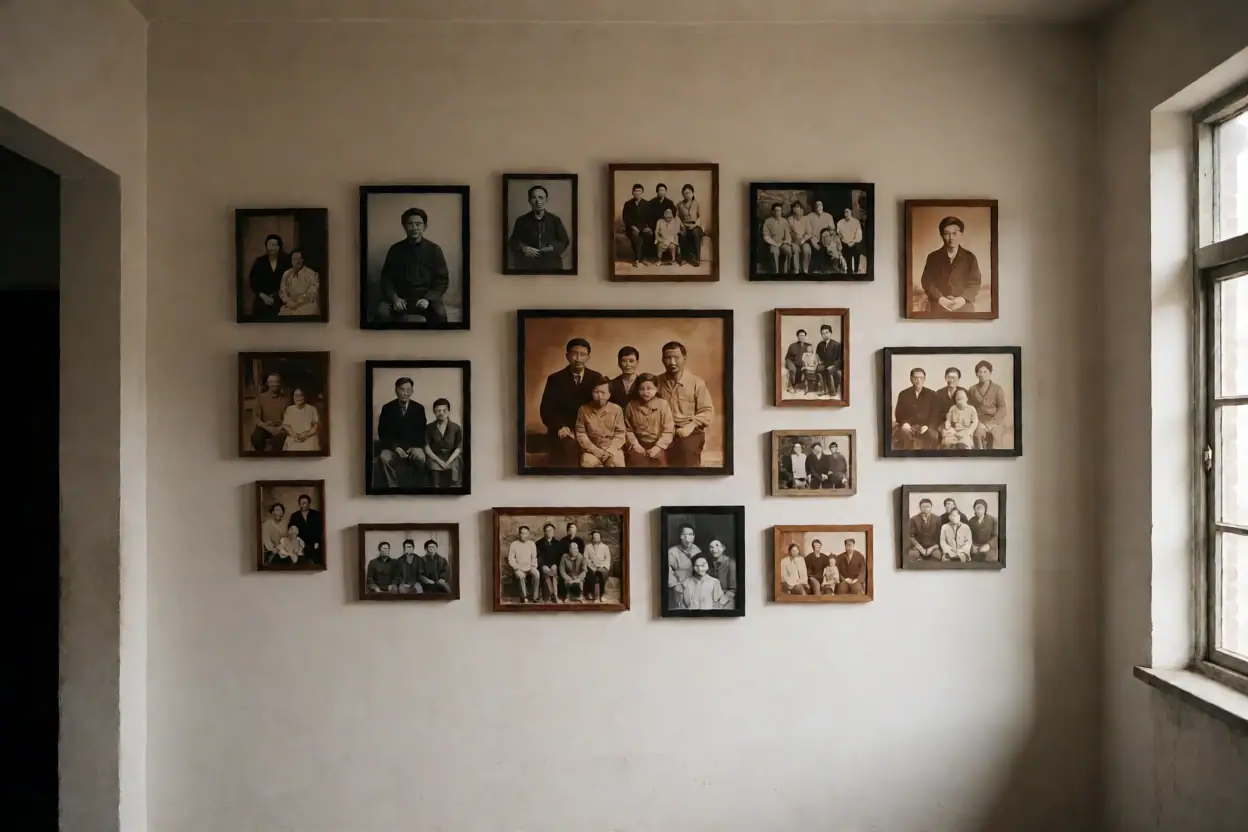
For members of the Na clan across different regions, the origins of individual branches often have multiple sources. Traditional commandery origins associated with the Na surname commonly point to Yingchuan and Chenliu, among other places, but whether Na families in different regions share a common origin requires rigorous examination based on detailed genealogical records. In the absence of conclusive documentary evidence, sharing a surname does not necessarily mean belonging to the same clan. Individuals seeking distant ancestors or tracing their family lineage are advised to consult local gazetteer collections and family memoirs. Local gazetteers can provide the historical evolution of villages and changes in their administrative establishment, while family memoirs can supplement official records with details of everyday life that they omit. Cross-referencing these broad historical sources with detailed family-root-seeking materials can not only clarify the migration routes of one’s branch but also help locate a clear place for one’s own family within the vast civilization of Chinese surnames.
Learn More and Verify
- Chushi Clan Ancestral Hall in Ziyang, Ankang: Family Memory in a Century-Old Ancestral Hall
- The Yi Clan Ancestral Hall in Helong, Ninghua: A Witness to Three Hundred Years of Family Memory
- The Chu Ancestral Hall in Shuang’an, Ziyang: Memories of Migration and Family Legacy
- Spatial Memory and Clan Heritage at the Weng Clan Ancestral Hall in Wengshan, Taishun
Genealogy Knowledge and Methods for Compiling Genealogies · Finding Genealogies and Local Gazetteers · Organize family-root-seeking leads