Clues to the Sihui Gong Branch in the Huangtun Wang Genealogy
A genealogical clue concerning the descendants of Sihui Gong, the fifth son of Bi Gong, points to a Wang lineage in Huangtun, Lujiang, Anhui. Existing materials state that this branch recorded three sub-branches—Jingren, Jingfu, and Jingquan—in a genealogy from the Republican period. However, its lineage, migrations, and relationship to other Wang branches still require further verification against the original genealogy, local gazetteers, and material evidence.
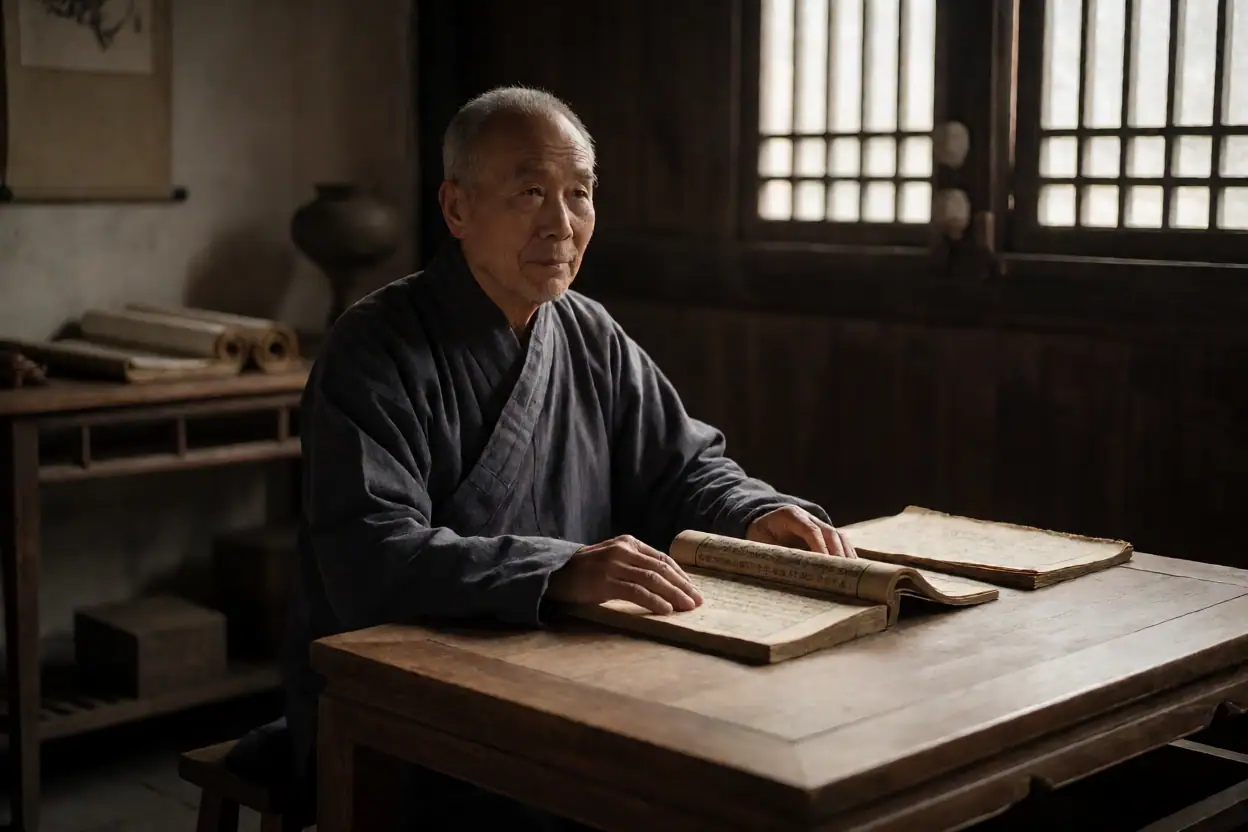
The rediscovery of a Wang lineage branch often begins with an accidental exchange among members of the clan, but must ultimately be checked against genealogies, local documents, and on-site memories. Existing records indicate that Wang clan members from the Huangtun area of Lujiang, Anhui, once showed descendants of Wang lineages elsewhere images of an old genealogy, which traced this branch back to Sihui Gong, the fifth son of Bi Gong. Later, as local clan members prepared to continue compiling the genealogy, those involved revisited the old record and found that three sons were listed under Sihui Gong: Jingren Gong of the senior branch, Jingfu Gong of the second branch, and Jingquan Gong of the third branch. This information provides a new direction for investigating a branch whose continuity had previously remained unclear.
The Huangtun Sanhuaitang Wang lineage described in the materials underwent multiple genealogical revisions over time, spanning from the Jiajing period of the Ming dynasty to the Republican period. Known revision years include 1556, 1716, 1791, 1835, 1873, and 1922. The information about Sihui Gong’s three sons is said to appear in the last revised edition of the Huangtun Wang Genealogy. The compilation was overseen by Wang Yeqin, a descendant of the Huangtun Wang lineage, and the existing clues also concern the custodian of the genealogy and subsequent continuation work. However, the title of the genealogy, the form of the edition, the number of volumes, the place of preservation, the prefaces and postscripts to its compilation, and the original appearance of the lineage pages should still be established on the basis of a verifiable genealogy or clear images.
The significance of this clue lies not in immediately reconstructing a complete lineage from a single page of records, but in prompting researchers to reassess the branch structure of Bi Gong’s descendants. Earlier records contain differing accounts of whether Sihui Gong had descendants and whether his descendants migrated elsewhere. The record of the three branches in the old Huangtun genealogy therefore needs to be compared with other versions of clan genealogies, tombstones, ancestral hall inscriptions, local gazetteers, and family memories preserved by clan members. Even when the same ancestor’s name appears in multiple genealogies, the branches cannot be judged to have merged into a single lineage solely on the basis of a name or hall name; sharing a surname, hall name, or a nearby place of migration is likewise insufficient on its own to prove a common ancestral relationship.
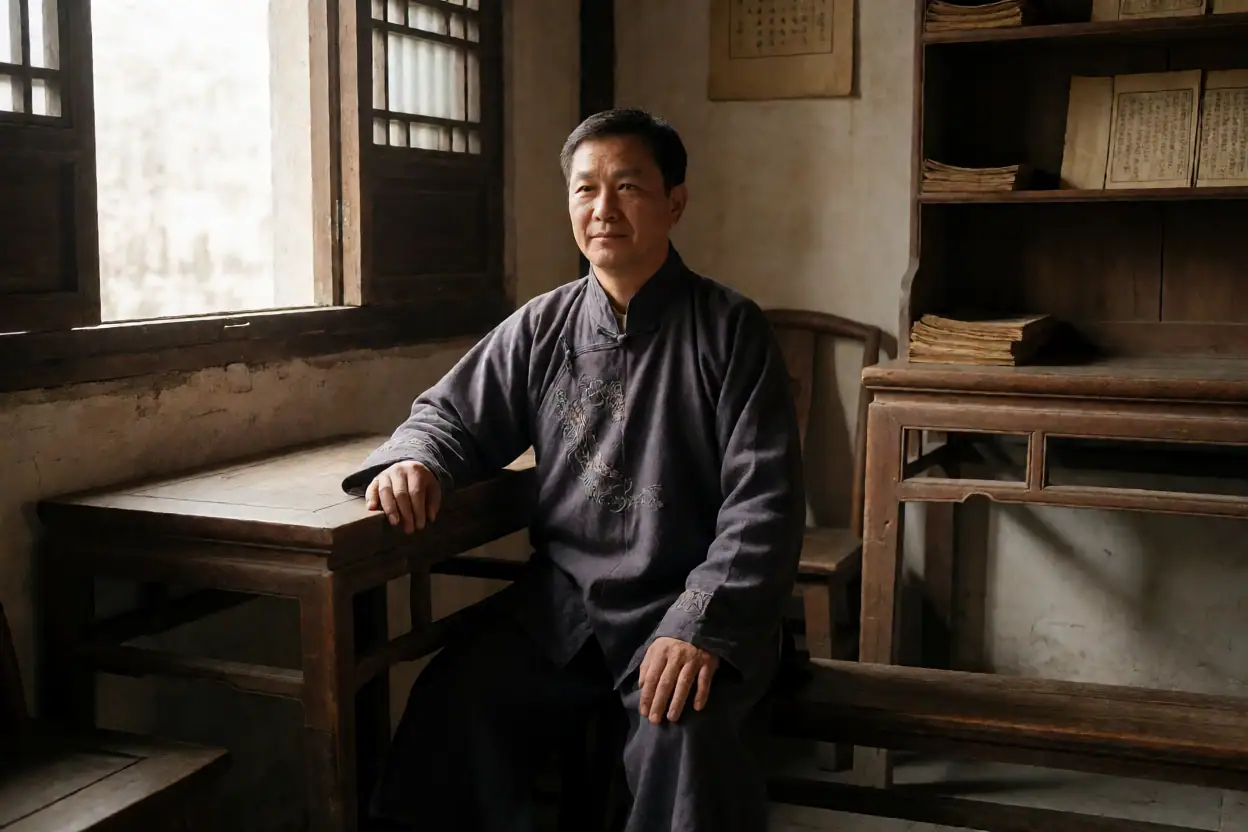
When conducting further ancestry research, one may first use surname databases to organize information on Wang-related ancestral origins, hall names, and historical distribution, and then search online genealogies for variant forms and branch records of the names Bi Gong, Sihui Gong, Jingren, Jingfu, and Jingquan. For the Huangtun area, particular attention should be given to local gazetteers, township and town gazetteers, village gazetteers, inscriptions at ancestral halls and temples, and historical place-name materials in order to confirm patterns of family settlement, migration, and changes in administrative divisions. Family memoirs can supplement migration histories and branch information not recorded in genealogies, but oral accounts still need to identify the narrator, the time they were recorded, and their evidentiary basis; they cannot be treated directly as definitive conclusions.
The more cautious formulation at present is that an old Huangtun Wang genealogy contains a clue connecting this branch to Sihui Gong and recording his three sons, and that the matter merits further organization and verification. Only if a complete genealogy, continuous lineage pages, prefaces to the genealogical compilation, records of custody and transmission, and relevant local documents can be obtained will it be possible to further determine the generational correspondences between this branch and other descendants of Bi Gong, and assess its value as a supplement to existing research on Wang genealogies.