Local Memory of the Yangxin Baisha Qu Ancestral Hall and the Legends of Liyang
The Qu Ancestral Hall in Qingshan Village, Baisha Town, Yangxin, uses “Liyang Tianze” as an important cultural marker. Local legends trace the group’s memories back to ancient Liyang and state that migration to the area had already taken place during the Southern Song period. The relevant origins, migrations, and genealogical lines still require further verification against genealogical records, local gazetteers, and physical evidence.
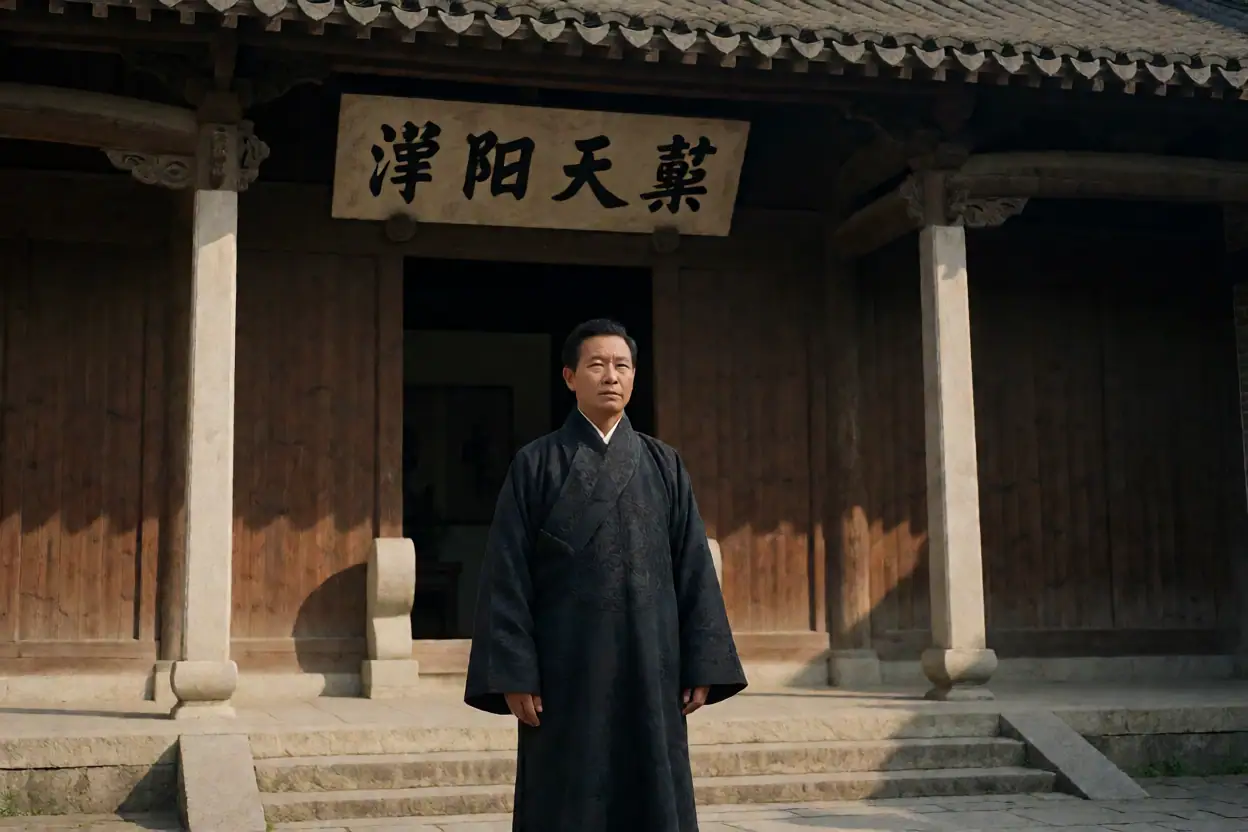
In the Qu Xing Group of Qingshan Village, Baisha Town, Yangxin County, local memory preserves the image of a Qu ancestral hall built on an elevated terrace. The four characters “Liyang Tianze” displayed above the main entrance are not only a prominent architectural marker but also suggest how the local Qu lineage understands its ancestral place of origin. Current accounts of the hall’s architectural form, initial construction date, and successive renovations come mainly from local introductions. To develop a more complete architectural history, it would also be necessary to examine inscriptions, renovation records, local gazetteers, and the original genealogical texts.
“Liyang” is generally associated with a historical place name in the area of present-day Jun County, Henan. Traditional accounts of the Qu lineage often connect memories of the surname with the Spring and Autumn-period figure Qu Yuan, also known as Qu Boyu, and hold that there is a historical relationship between the surnames Qu (蘧) and Qu (璩). Qu Boyu was known for observing ritual, exercising self-restraint, and knowing when to advance or withdraw. Stories about him in later generations have also often been used to express a family’s hopes for moral character and family traditions. However, the evolution of surnames in ancient times was often shaped by many factors, including naming taboos, surname changes, similar pronunciation, place names, and the transmission of branch lineages. Whether the Qu (蘧) and Qu (璩) surnames can be linked to a specific genealogical line cannot be determined solely from legend or pronunciation.
Local accounts also state that the ancestors of the Baisha Qu lineage migrated to this area during the Southern Song period, more than 900 years ago. This timeline may serve as a research lead, but it cannot be directly equated with a complete and continuous family genealogy. The date of migration, the name of the founding ancestor, the original place of residence, and the various branch lines still need to be corroborated through prefaces to genealogical records, lineage tables, tomb inscriptions, and relevant local documents. Especially where the same surname is widely distributed, sharing a surname does not necessarily mean belonging to the same clan. Ancestral hall names, generational names, and oral traditions can also serve only as comparative materials and cannot independently establish a bloodline conclusion.
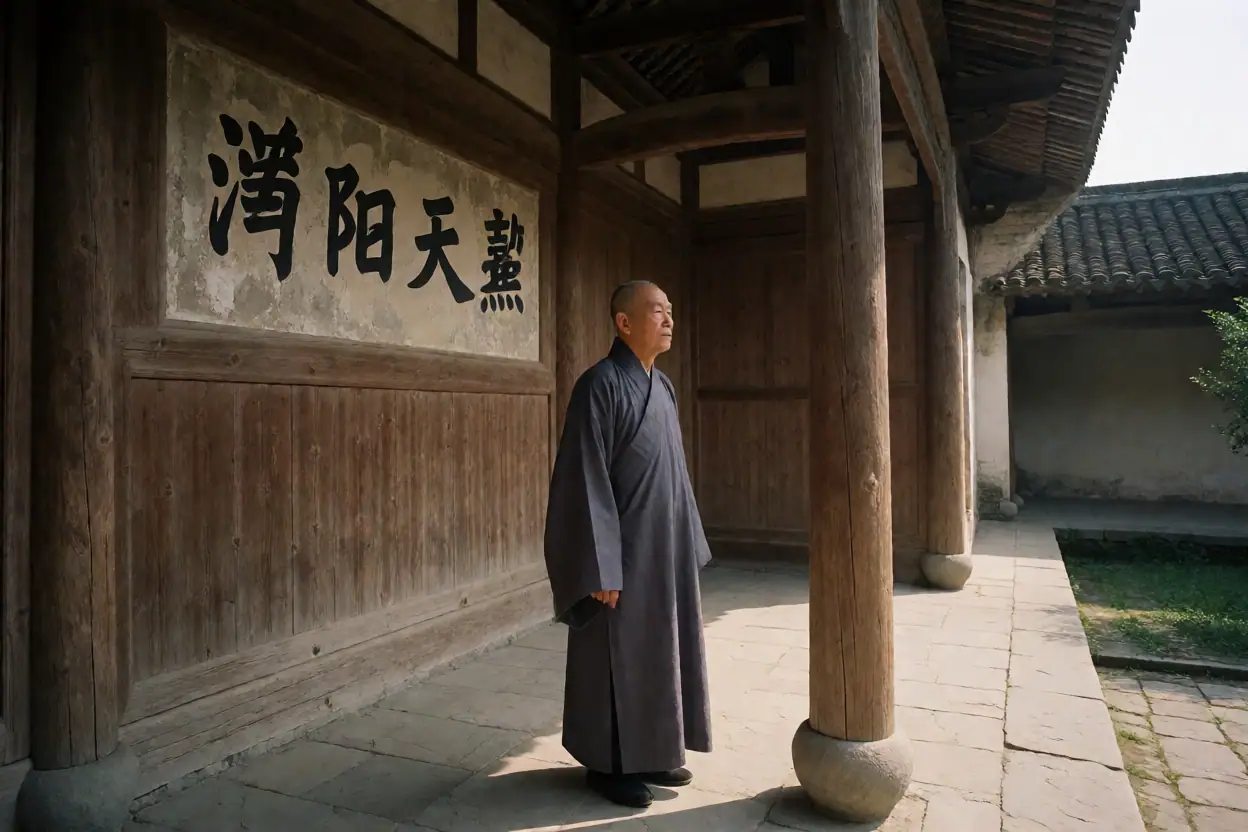
From the perspective of cultural memory, “Liyang Tianze” connects a distant ancestral place, family migration, and rural life, reflecting the role of the ancestral hall in preserving a sense of identity. If root-tracing is undertaken in the future, one could first organize the surviving genealogies, family memoirs, ancestral hall plaques, photographs of inscriptions, and cemetery information, and then verify the names, dates, places, and generational names they contain one by one against local gazetteers and surname databases. Online genealogies can help identify clues to the same branch in other places, while local gazetteer databases can be used to compare changes in place names. However, any conclusion about establishing kinship across regions or tracing ancestors back through the generations should respect the limits of the evidence and be deferred until the original materials are sufficiently complete.