Lijiang Mu Tusi Succession Memories and Genealogical Verification
Accounts of the Lijiang Mu tusi succession system link the names of ancestors with identity verification and political succession. The relevant details still need to be cross-checked against original archival documents, local gazetteers, and genealogies before the scope of the system and its historical authenticity can be determined.
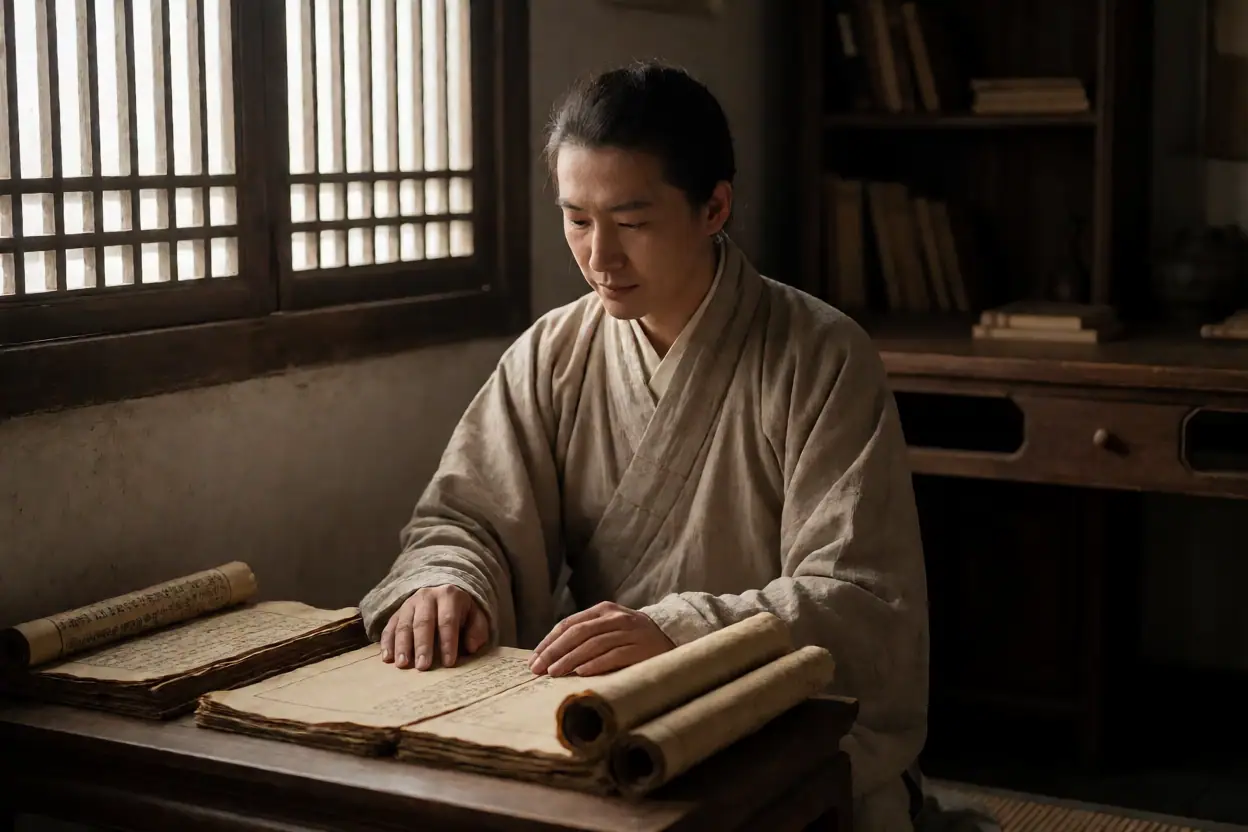
Historical accounts of the Lijiang Mu tusi often connect family memory with local governance. Existing clues suggest that Mu succession during the Ming dynasty may have involved not only bloodline and the order of legitimate and secondary heirs, but also procedures for verifying identities and recalling the names of ancestors. If this account can be supported by original documents, it would reflect more than a single succession procedure; it would also show that the family genealogy was once assigned the function of confirming identities and maintaining order.
However, the claim that “reciting an ancestor’s name incorrectly resulted in disqualification” cannot be treated as a complete institutional rule based solely on secondhand accounts. The date of document creation, state of preservation, precise wording, context, and subsequent archival records must be examined and compared with Ming local gazetteers, tusi documents, genealogical copies, and relevant scholarship. In particular, the number of ancestral names, the correspondence between Naxi and Han Chinese names, and whether succession ceremonies were universal should each be investigated separately. A case-specific provision should not be expanded into a rule generally followed throughout the dynasties.
The history of the Mu family cannot be reduced simply to a single system of succession by the eldest legitimate son. Tusi succession was often shaped simultaneously by imperial investiture, local forces, kinship ties, and internal family order. Accounts that Mu ancestors submitted to the Ming dynasty, were granted a Han Chinese surname, and received hereditary appointments provide clues for understanding their political status, but the specific dates, relationships among individuals, and number of successions should still be determined from verifiable documents. Alterations, omissions, or variant names appearing in genealogies may also relate to naming taboos, copying differences, branch diversification, or genealogies compiled in later generations; they cannot be directly interpreted as meaning that someone was “erased from the family’s memory.”
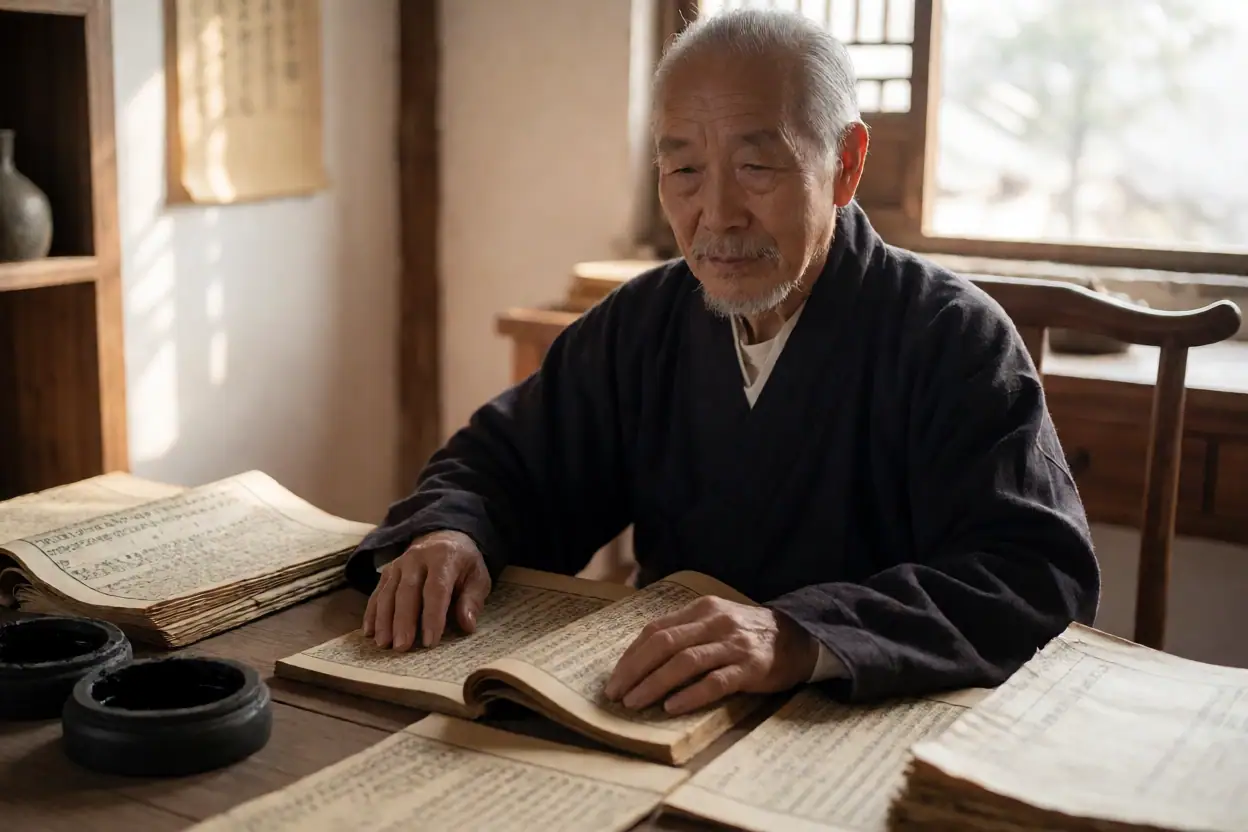
In ancestry research, sharing a surname does not mean sharing the same lineage. Different branches of the Mu surname may have different founding ancestors, branch ancestors, and migration routes. Nor can a lineage connection be established solely from identical written forms among Naxi names, Han Chinese surnames, bestowed surnames, and surnames changed in later generations. Genealogies, online genealogical records, family memoirs, and local gazetteers can help organize clues about people, places, and migrations, but each relationship should be assigned an evidence level, distinguishing between original records, later recollections, and researchers’ inferences.
Materials on the “Ci” surname can currently confirm only that it has been included within the scope of surname-data compilation; its origins, ancestral commandery, hall name, generational names, and distribution still require supplementation. If family members claim a connection to the Mu or another tusi family, it is advisable first to collect information on ancestral residences, facsimiles of genealogical records, tombstone details, generational names, and oral accounts of migration, and then compare them with local gazetteers and historical archives. Only when continuous genealogical and regional evidence corroborate one another can ancestral connections be discussed with reasonable confidence; a surname, a legend, or a single hall name alone is not sufficient to confirm membership in the same lineage.