The Legend of the Ran Clan’s Zhongxiao Hall and a Verification Path for Its Genealogical Records
Some branches of the Ran clan have passed down a story about Zhongxiao Hall, linking the hall name to two men, Shouzhong and Shouxiao, and to accounts of suppressing unrest during the Song dynasty. Because the clues currently available lack corroboration across genealogical texts, local gazetteers, and officially compiled histories, the identities and dates of the figures involved, the circumstances in which their names were bestowed, and the scope of their descendants still require careful examination.
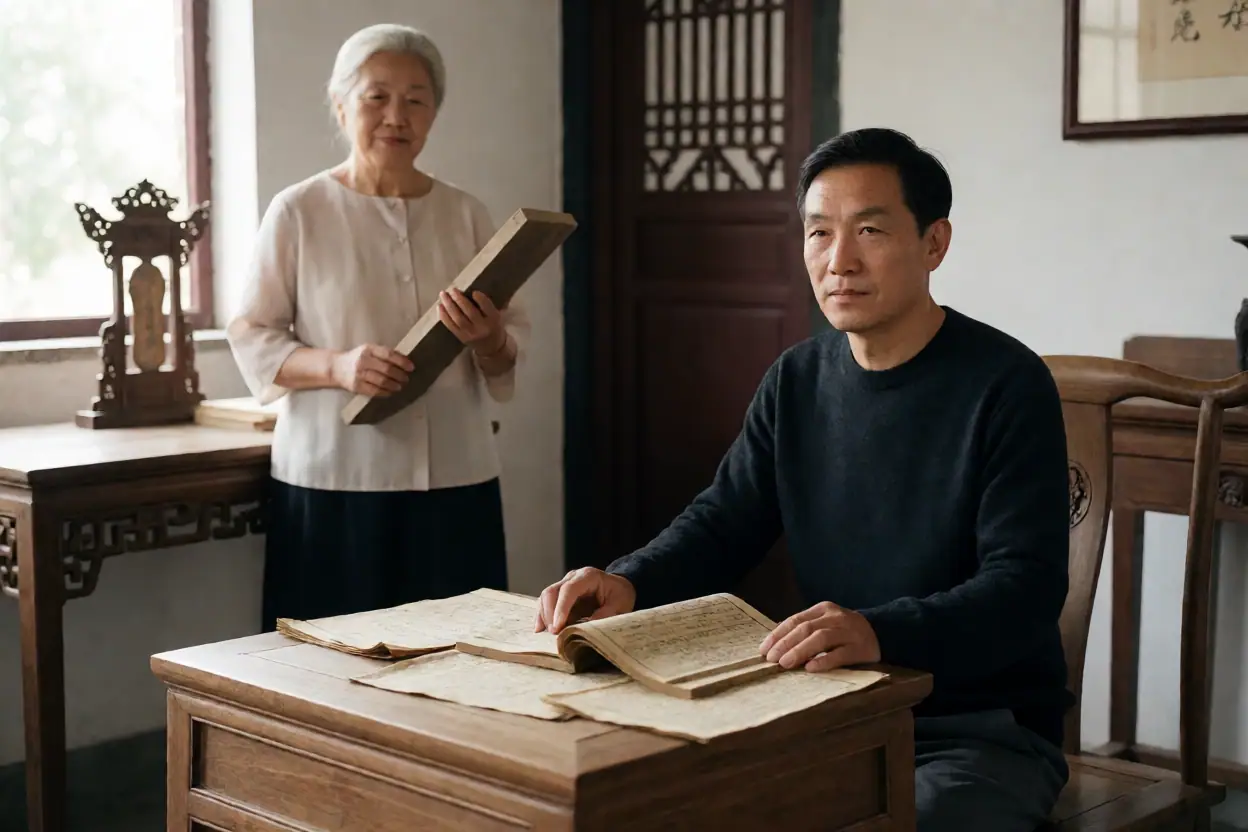
Hall names are important markers in traditional clan culture. They may derive from a commandery affiliation, the deeds of an ancestor, moral injunctions, a place of residence, or a historical allusion. Existing materials indicate that some branches of the Ran clan use “Zhongxiao Hall” and have passed down a story involving “Shouzhong” and “Shouxiao”: the two are described as brothers of the same clan who had other names in their early years. After taking part in suppressing unrest, they were commended and later given the names “Zhong” and “Xiao,” after which clan members incorporated the ideals of loyalty and filial piety into the hall name and family precepts.
These accounts have a distinct ethical and didactic character, but they are currently insufficient to confirm all the historical details. The story includes episodes involving Emperor Gaozong of Song, the suppression of unrest, and the bestowal of names. To assess when it took shape and how credible it is, further searches are needed for early prefaces and postscripts to genealogies, biographies, epitaphs and inscribed steles, ancestral-hall inscriptions, and relevant Song-dynasty historical materials. In particular, the original names, courtesy names, style names, dates of life, native places, events in which the two men took part, and the nature of the authority under which they acted should be checked. It should also be determined whether “Shouzhong” and “Shouxiao” were personal names, courtesy names, style names, or later posthumous appellations. Without corroboration from such materials, oral accounts should not be treated directly as established historical fact.
“Zhongxiao Hall” cannot automatically be taken to cover all people surnamed Ran. A hall name may have been used over a long period by a particular region or branch, and the same hall name may also have been adopted by different surnames or clans. Even when people share the Ran surname and use the same hall name, links between branches still need to be confirmed through continuous genealogical lines, migration records, marriage relationships, the locations of graves, and genealogy-revision materials. Sharing a surname does not mean sharing the same clan, and sharing a hall name does not necessarily mean descending from the same ancestor.
When carrying out verification, begin by organizing old family genealogies, spirit tablets, contracts, photographs of gravestones, and oral accounts from elders. Enter the names, generation names, villages, places of departure and arrival, and approximate dates into an online genealogy to create a relationship table that can be checked generation by generation. Family memoirs are suitable for preserving sacrificial practices, changes to ancestral halls, and the use of hall names, but they should identify the narrator, the date of recording, and the scope of what the narrator personally saw or heard, distinguishing firsthand facts from stories repeated by others.
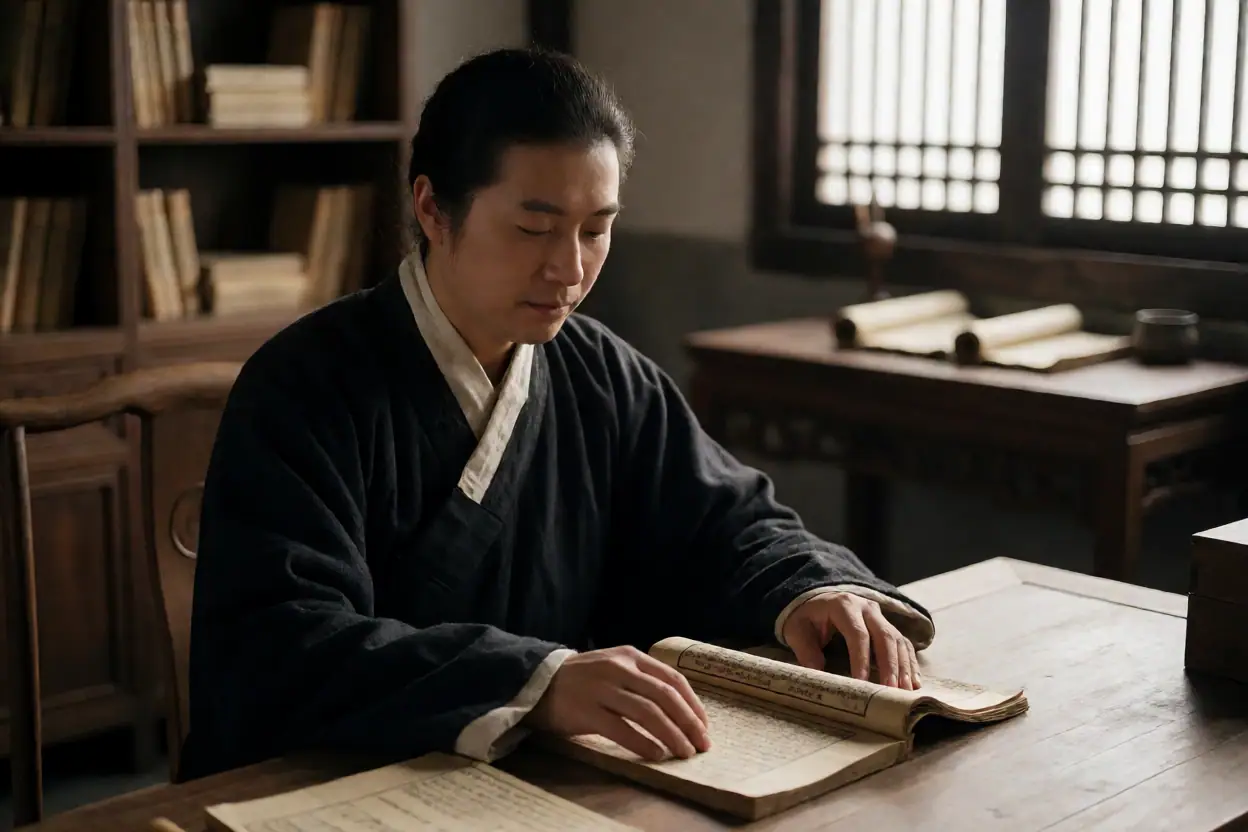
Next, surname-related materials can be used to organize the hall names and generation names of Ran branches in different regions. Relevant local gazetteer databases can then be searched for records of officials, military affairs, notable figures, ritual sites, and villages in the applicable prefectures and counties. If a genealogy contains a migration route, the historical evolution of place names at both the place of arrival and the place of departure should also be checked, to avoid misjudgments caused by villages with the same name or changes in administrative divisions. In genealogical research, more reliable conclusions generally come from correspondences among multiple types of materials rather than from relying on a single hall-name story.
Surname archives also record that the Jia surname has the hall name Fanyang Hall and cite Fanyang, Zhuojun, Henan, and other commandery affiliations. These are materials concerning the Jia surname and do not concern the same research subject as the Ran clan’s Zhongxiao Hall; they should not be combined to infer the origins and lineage of the Ran clan. If the various Ran branches wish to determine the specific scope of Zhongxiao Hall’s transmission, they should continue to center their research on the genealogy of the branch in question and on documents from the relevant locality, establishing an evidentiary chain item by item.