Tracing the Li Lineage of Ji Bagong: Starting with Generation-Name Clues
Regarding the question “Which generation-name branches belonged to Ji Bagong’s ancestors?”, clues such as generation names, places of residence, migration, and family memories can be checked step by step. The information currently available is insufficient to confirm a specific branch, so genealogical records, local gazetteers, and physical documents should be cross-checked against one another.
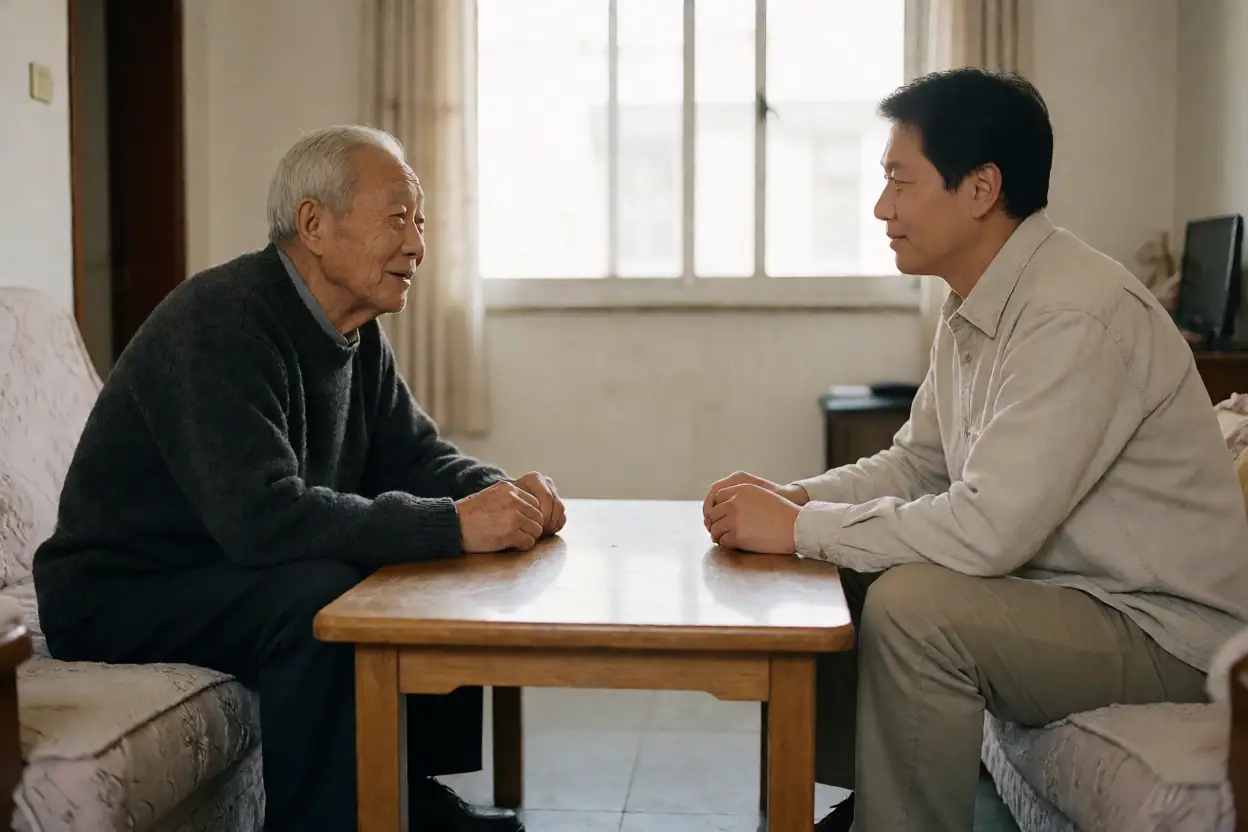
Tracing the ancestry of a specific Li branch through the question “Which generation-name branches belonged to Ji Bagong’s ancestors?” cannot be resolved solely from the surname or a single person’s appellation. It is necessary to determine whether Ji Bagong was a personal name, style name, birth-order designation, or honorific used in a particular genealogical record, by examining the original genealogy, ancestral place of residence, migration routes, and the names of people in the generations above and below. Without this background information, hastily listing the generation names of his ancestors could easily mix together information from different branches.
The search can begin with materials still kept by the family. Surviving genealogy pages, rubbings of tomb inscriptions, ancestral-hall plaques, deeds to ancestral homes, ritual registers, and manuscripts preserved by elders may contain generation names, branch designations, birth-order information, or records of relocation. Oral recollections are also worth recording, but “as stated by an elder,” “as recorded in an inscription,” and “as written in a genealogical manuscript” should be identified separately. Particular attention should be paid to the possibility that the same person may appear under different personal names, style names, sobriquets, or taboo names in different sources.
Generation names are an important clue in tracing a branch, but they are not sufficient on their own to establish ancestral affiliation. The same generation names may have been used in different regions, and differences may also result from the continuation or revision of a genealogy, name taboos, name changes, or transcription from dialects. When cross-checking, try to organize the names of three to five consecutive generations, recording each person’s place of birth, place of residence, spouse’s surname, children, and direction of migration, and then compare these details with the lineage charts and branch descriptions in the genealogical records.
For Ji Bagong’s ancestors, a concise clue table can be created: the first column records known names and alternate names, the second records the materials in which the information appears, the third notes the dates and places, and the fourth records statements concerning father–son, sibling, or branch relationships. If different sources conflict, there is no need to decide immediately between them. They can be provisionally marked as requiring further examination, while the original wording, photographs, or transcribed page numbers are retained for later verification.
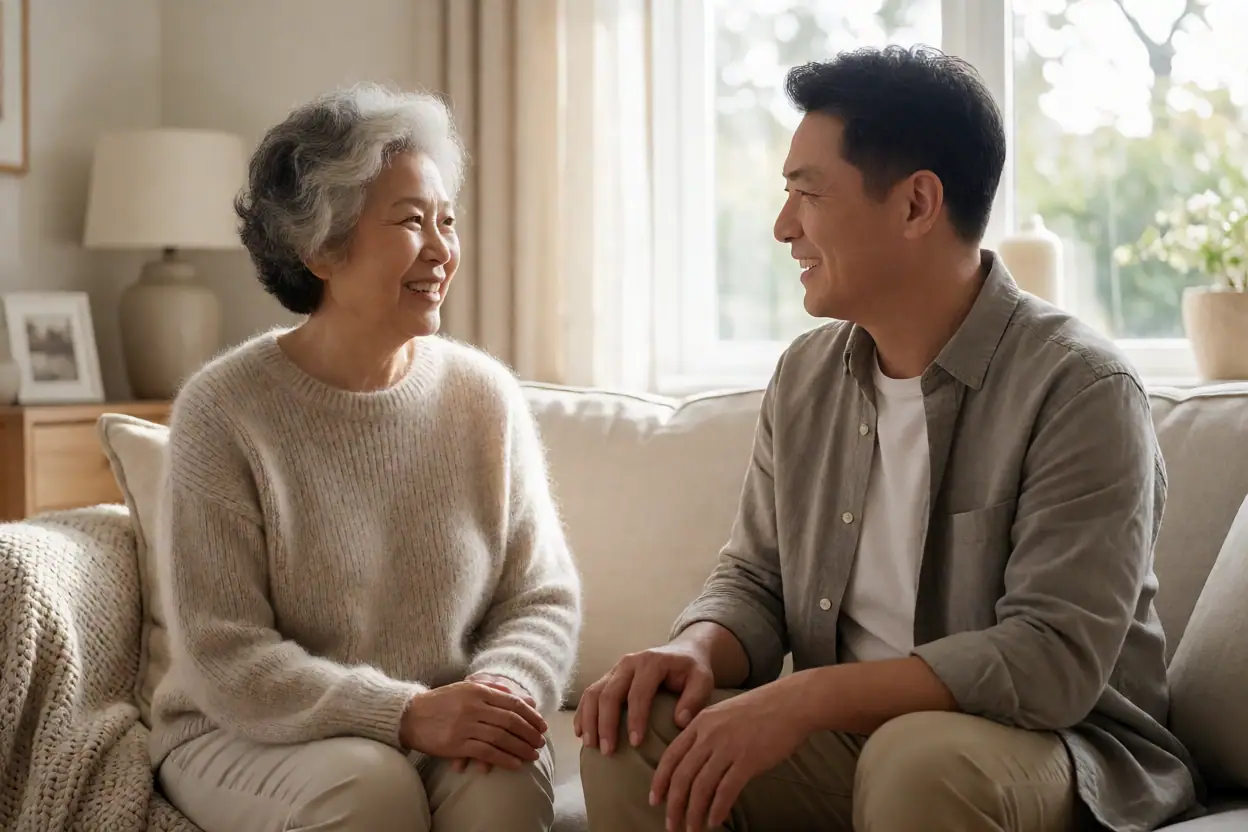
Online genealogies are useful for organizing existing family members and supplementing records of generation names and migration, and they may also help identify potentially related branches. However, the appearance online of the same surname, the same hall name, or the same generation-name sequence does not mean that common ancestry has been confirmed. Establishing genealogical affiliation still requires returning to original genealogical manuscripts, tomb inscriptions, local gazetteers, and evidence of continuous transmission within the family. Local gazetteers can sometimes provide information on the history of villages, the construction of ancestral halls, the compilation and revision of genealogies, the activities of notable individuals, and the background of relocations, making them important references for assessing dates and places.
If no clear information about Ji Bagong’s ancestors can currently be found, it is advisable to preserve the unresolved questions rather than hastily create new generation names. Once an old genealogy is found or the branch is confirmed, the existing generation-name sequence can be continued according to the original. If the earlier genealogy cannot be found for an extended period, the relevant branch families should discuss the matter together, and any newly compiled record should clearly state the basis on which it begins and the date of compilation. This both preserves family memory and avoids recording speculation as an established lineage.
Learn More and Verify
- Tracing the Origins of a Niu Clan Branch Through Generation Characters and Regional Clues
- Clues to the Diao surname’s generation names and compilation of family genealogies in multiple parts of Beijing
- Compiling the Xue Surname’s Generation Names in Fujian: From Regional Clues to Analysis of Family Genealogies
- Clues to Generation Names and Branch Analysis for the Shandong Huai Surname
Genealogy Knowledge and Methods for Compiling Genealogies · Finding Genealogies and Local Gazetteers · Organize family-root-seeking leads